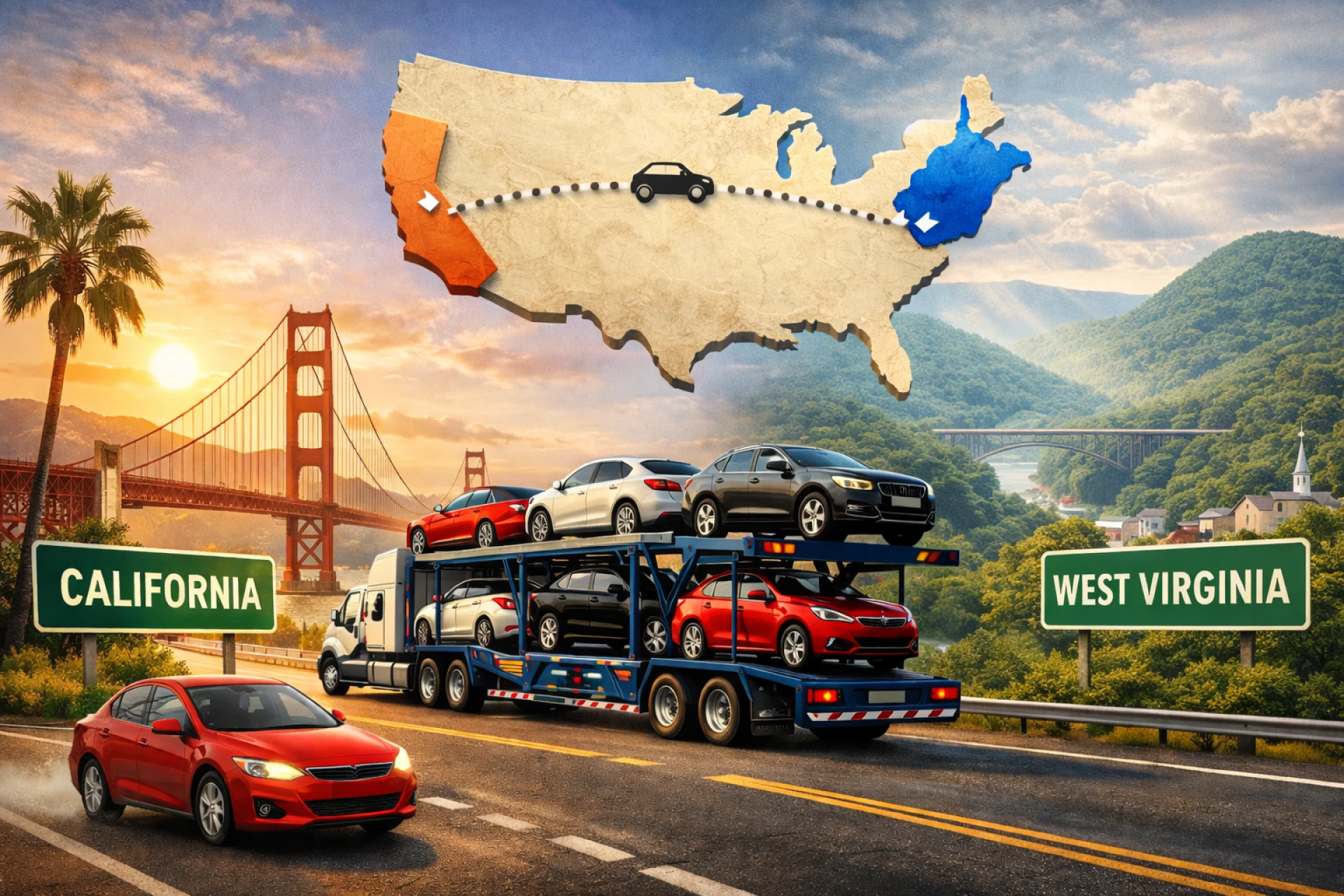
You've got a vehicle that needs to get from Point A to Point B — maybe you're relocating across the country, heading south for the winter, or just bought a car online. The question that almost every American driver eventually faces is this: Should I ship my car or just drive it myself?
At first glance, hopping behind the wheel seems like the obvious budget-friendly choice. But when you actually break down every dollar involved, the answer in 2026 might surprise you. Let's do a real, honest cost comparison — so you can make the smartest decision for your wallet, your schedule, and your vehicle.
The True Cost of Driving Yourself Across the USA
People tend to underestimate the true cost of a long road trip. It's not just gas. When you're driving 1,500 to 2,800 miles across the country, the expenses stack up fast.
Fuel is the most obvious cost. With the national average gas price hovering around $3.40–$3.80 per gallon in 2026 and the average car getting about 28 miles per gallon, a 2,000-mile drive will cost you roughly $240–$270 in fuel alone. For larger trucks or SUVs, that number easily doubles.
Lodging and meals are often overlooked. A cross-country drive typically takes 3 to 5 days if you're going coast to coast. Budget hotels along interstate highways average $90–$130 per night, and meals on the road add another $40–$60 per day. That's potentially $500–$700 more before you even count coffee stops.
Wear and tear on your vehicle is the hidden cost nobody talks about. Every mile you add to your odometer reduces resale value and edges your car closer to its next oil change, tire rotation, or brake service. Automotive experts estimate wear and tear costs around $0.08–$0.12 per mile. On a 2,000-mile trip, that's an additional $160–$240 in real vehicle depreciation costs.
Flight home (if you're relocating one-way) is another expense drivers forget. If you're moving permanently, someone still has to get back. A domestic flight can run anywhere from $150 to $450 depending on route and timing.
Total estimated driving cost for a 2,000-mile route: $1,050–$1,700+
What Does Professional Car Shipping Actually Cost?
Car shipping costs in 2026 vary based on distance, vehicle size, transport type, and time of year. Here's what you can realistically expect when you book with a trusted provider like Rapid Auto Shipping:
A standard open-carrier shipment for a sedan on a coast-to-coast route (roughly 2,500 miles) typically runs between $900 and $1,400. Shorter routes — say, 500 to 1,000 miles — average $400 to $750. Enclosed transport for luxury, classic, or electric vehicles costs more, generally $1,200 to $2,000 for longer routes, but it offers superior protection.
Rapid Auto Shipping provides transparent, upfront quotes with no hidden fees — so the price you see is the price you pay. No surprise surcharges at pickup.
Total estimated car shipping cost for a 2,000-mile route: $900–$1,400
Side-by-Side Comparison
| Cost Factor | Driving Yourself | Car Shipping (Rapid Auto Shipping) |
|---|---|---|
| Fuel | $240–$540 | $0 |
| Hotels (3–4 nights) | $270–$520 | $0 |
| Meals on the road | $120–$240 | $0 |
| Vehicle wear & tear | $160–$240 | $0 |
| Return flight (one-way move) | $150–$450 | $0 |
| Total Estimated Cost | $940–$1,990+ | $900–$1,400 |
When you lay it all out, professional car shipping is often comparable in cost — and frequently cheaper — especially for long-distance, one-way moves across the USA.
Beyond the Dollar Amount: What Else You're Saving
Cost isn't the only factor. Think about your time. Driving 2,000+ miles means 3 to 5 days behind the wheel, dealing with traffic, fatigue, and weather. That's time away from work, family, or settling into your new home. With Rapid Auto Shipping, your vehicle is picked up at your door and delivered to your destination while you fly, relax, or get a head start on unpacking.
There's also the matter of vehicle safety. Long drives put real stress on your car — especially older vehicles or those not recently serviced. Professional transport eliminates that risk entirely. Your car arrives with zero additional miles on the odometer, exactly as you left it.
When Driving Makes Sense
To be fair, driving yourself can be the better call in certain situations. If you're moving less than 300–400 miles, driving is almost always cheaper and faster. If you enjoy road trips and plan to make it a vacation with family, the experience itself has value. And if your vehicle has mechanical issues that make it unshippable, driving may be your only option.
The Rapid Auto Shipping Advantage
Rapid Auto Shipping has built its reputation on making car shipping across the USA simple, affordable, and stress-free. With a nationwide network of vetted carriers, real-time tracking, full insurance coverage, and dedicated customer support from quote to delivery — thousands of Americans trust Rapid Auto Shipping every year to move their vehicles safely.
Whether you're relocating for work, heading to your winter home in Florida, or buying a car out of state, Rapid Auto Shipping offers competitive rates that often beat the true all-in cost of driving yourself.
The Bottom Line
In 2026, car shipping is no longer the expensive luxury people once assumed it to be. When you add up fuel, food, hotels, wear and tear, and a potential return flight, driving yourself across the country often costs just as much — or more — than booking a professional transport service.
If you're moving long-distance anywhere in the USA, get a free, no-obligation quote from Rapid Auto Shipping today. You might be surprised how affordable the smarter option really is.

Sign in to leave a comment.