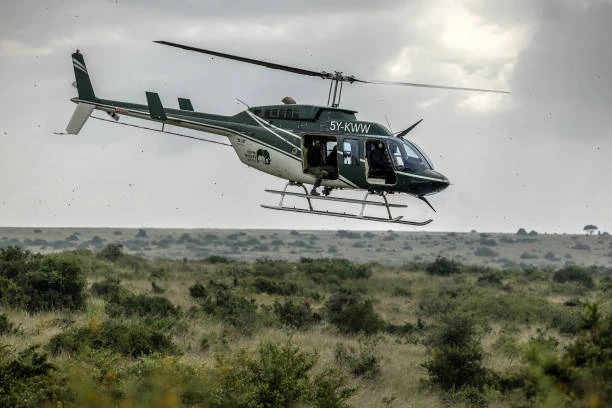

Wildlife conservation is a field dedicated to preserving biodiversity and protecting ecosystems. The Kenya Wildlife Service (KWS) plays a crucial role in these efforts, offering diverse career opportunities for individuals passionate about conservation. This article explores various roles within KWS, the qualifications needed, and the impact these positions have on wildlife and communities.
The Importance of Wildlife Conservation
Preserving Biodiversity
Biodiversity is vital for ecosystem health and resilience. It provides essential services like pollination, water purification, and climate regulation. KWS works to preserve this biodiversity, ensuring ecosystems can continue to function and support life.
Protecting Endangered Species
Many species face threats from habitat loss, poaching, and climate change. KWS focuses on protecting endangered species, implementing strategies to increase their populations and safeguard their habitats.
Supporting Local Communities
Conservation efforts often intersect with local communities. KWS engages with these communities, promoting sustainable practices and providing education on the importance of conservation.
Key Roles in KWS
Wildlife Rangers
Responsibilities
Wildlife rangers are on the front lines of conservation, patrolling protected areas to prevent poaching and illegal activities. They monitor wildlife populations and report any changes or threats to their habitats.
Qualifications
Rangers typically require a diploma in wildlife management or a related field. Physical fitness, strong communication skills, and the ability to work in remote areas are essential.
Impact
Rangers play a critical role in protecting wildlife, ensuring the safety of both animals and visitors. Their presence deters illegal activities and helps maintain ecological balance.
Ecologists
Responsibilities
Ecologists study ecosystems, focusing on interactions between organisms and their environments. They conduct research to understand ecological processes and develop conservation strategies.
Qualifications
A degree in ecology, biology, or environmental science is required. Strong analytical skills and experience with field research are crucial.
Impact
Ecologists provide valuable data that informs conservation policies and practices. Their work helps identify areas in need of protection and measures to restore degraded habitats.
Veterinary Officers
Responsibilities
Veterinary officers care for sick or injured wildlife, providing medical treatment and conducting health assessments. They also play a role in disease prevention and control.
Qualifications
A degree in veterinary medicine is necessary, along with specialized training in wildlife care. Practical experience in animal health and welfare is advantageous.
Impact
Veterinary officers ensure the health and well-being of wildlife populations, preventing the spread of diseases that could decimate species.
Community Outreach Coordinators
Responsibilities
These coordinators work with local communities to promote conservation awareness and education. They develop programs that encourage sustainable practices and wildlife protection.
Qualifications
A degree in social sciences, education, or a related field is beneficial. Strong interpersonal and communication skills are key.
Impact
Community outreach coordinators bridge the gap between KWS and local populations, fostering positive relationships and increasing community involvement in conservation efforts.
Policy Analysts
Responsibilities
Policy analysts evaluate existing conservation policies and propose improvements. They conduct research and provide recommendations to enhance the effectiveness of conservation strategies.
Qualifications
A degree in environmental policy, law, or a related field is required. Analytical skills and experience with policy development are important.
Impact
Policy analysts shape the legal and regulatory framework that governs conservation efforts, ensuring that policies are effective and aligned with global standards.
Challenges in Wildlife Conservation
Poaching and Illegal Trade
Poaching remains a significant threat to wildlife, driven by demand for animal products. KWS works to combat this through law enforcement and community engagement.
Habitat Loss
Deforestation, agriculture, and urbanization lead to habitat loss, threatening wildlife. KWS implements habitat restoration projects and promotes sustainable land use practices.
Climate Change
Climate change affects ecosystems, altering habitats and food availability. KWS conducts research to understand these impacts and develop adaptation strategies.
Human-Wildlife Conflict
As human populations expand, conflicts with wildlife increase. KWS recruitment addresses this through conflict mitigation strategies and community education.
The Future of Conservation Careers
Technological Advancements
Technology is transforming conservation, with tools like drones, GPS tracking, and data analytics enhancing monitoring and research efforts. KWS integrates these technologies to improve efficiency and effectiveness.
Interdisciplinary Approaches
Conservation increasingly requires interdisciplinary collaboration. Professionals from diverse fields such as law, economics, and education are contributing to holistic conservation solutions.
Global Collaboration
Conservation is a global effort, with organizations collaborating across borders to protect shared resources. KWS participates in international initiatives, sharing knowledge and resources.
How to Start a Career in Wildlife Conservation
Education and Training
Pursuing relevant education in fields like biology, ecology, or environmental science is essential. Specialized training and certifications can further enhance qualifications.
Volunteering and Internships
Gaining practical experience through volunteering or internships provides valuable insights and skills. Many organizations, including KWS, offer opportunities for aspiring conservationists.
Networking
Building a network of professionals in the field can open doors to opportunities and provide support. Attending conferences and joining professional associations are effective ways to network.
Continuous Learning
Staying updated on conservation trends and advancements is crucial. Engaging in workshops, seminars, and online courses helps professionals remain informed and competitive.
Conclusion
A career in wildlife conservation with the Kenya Wildlife Service offers the chance to make a meaningful impact on the environment and communities. By understanding the roles available, the challenges faced, and the skills required, aspiring conservationists can navigate their career paths effectively. As the field evolves, embracing new technologies and interdisciplinary approaches will be key to addressing the complex issues that threaten our natural world. Through dedication and collaboration, we can work towards a sustainable future for wildlife and humanity.










Sign in to leave a comment.