
Introduction
Osteoarthritis (OA) is a chronic degenerative joint condition that affects millions of people worldwide, causing pain, stiffness, and reduced mobility. In the management of osteoarthritis, nursing professionals play a vital role in helping patients cope with the physical and emotional challenges of the disease. This blog explores the essential aspects of nursing diagnosis for osteoarthritis, emphasizing the importance of personalized care and support in improving the quality of life for individuals with this condition.
Understanding Osteoarthritis
Before we dive into nursing diagnosis, let's grasp the fundamentals of osteoarthritis.
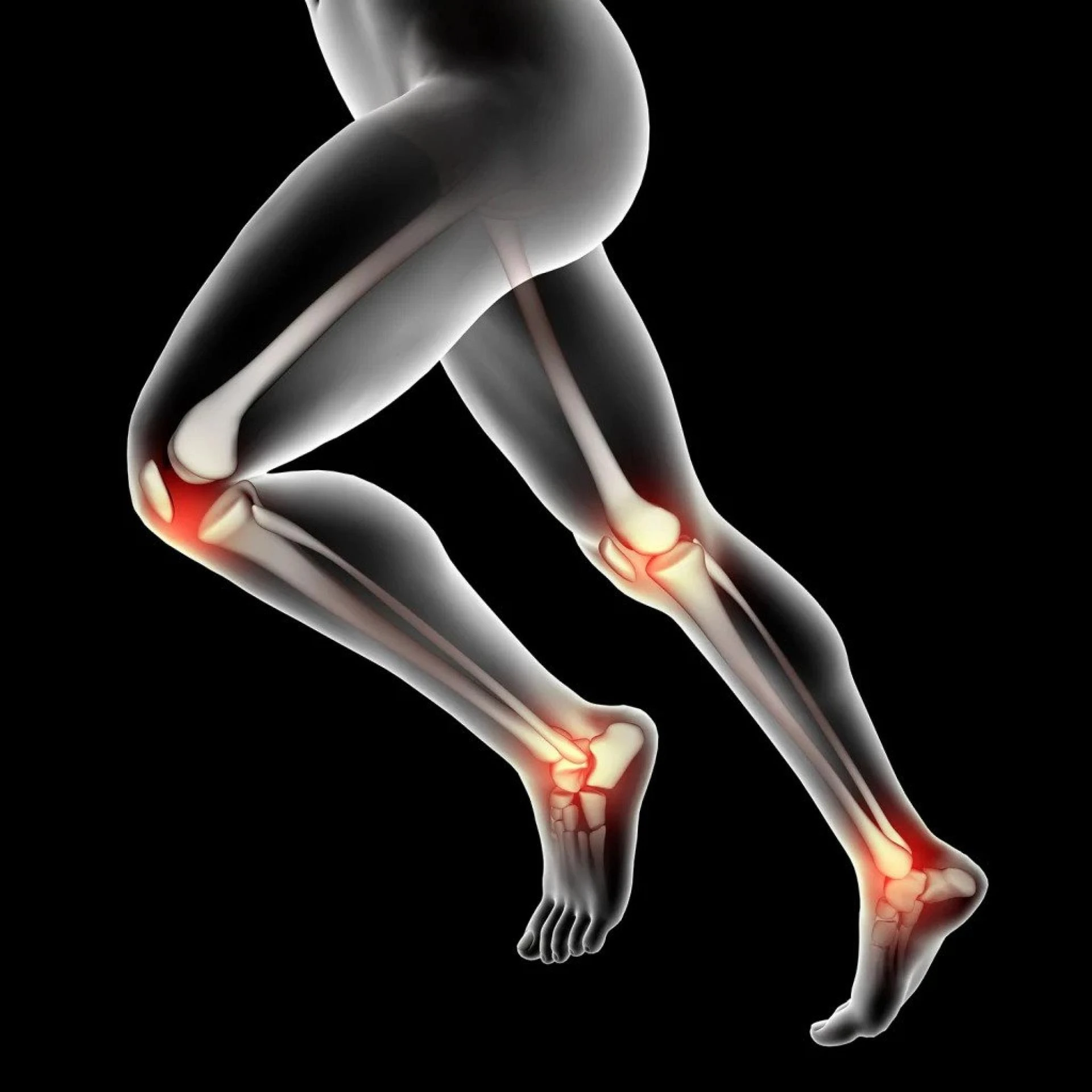
Osteoarthritis primarily affects the joints, especially weight-bearing ones like the knees, hips, spine, and hands. It results from the gradual breakdown of the cartilage that covers the ends of bones, leading to pain, inflammation, and limited joint function. Common symptoms include joint pain, morning stiffness, reduced range of motion, joint swelling, and the development of bone spurs.
Nursing Diagnosis for Osteoarthritis
Nursing diagnosis is a critical component of patient care, as it helps identify the specific needs and challenges of individuals with osteoarthritis. These diagnoses serve as the foundation for developing personalized care plans and strategies to alleviate pain and improve the patient's overall well-being. Here are some key nursing diagnoses commonly associated with osteoarthritis:
1. Acute or Chronic Pain
Pain is the hallmark symptom of osteoarthritis. Nursing professionals assess the severity and location of pain, its impact on daily activities, and the effectiveness of pain management strategies. Nursing interventions may include administering pain relief measures, such as medications, heat or cold therapy, or recommending physical therapy to improve joint function and reduce pain.
2. Impaired Physical Mobility
Osteoarthritis can significantly affect a patient's physical mobility, making it difficult to perform routine tasks. Nurses assess the patient's range of motion, muscle strength, and the use of assistive devices like canes or walkers. Interventions focus on developing and implementing personalized exercise programs and teaching techniques to help patients maintain or improve their mobility.
3. Self-Care Deficit
Pain and limited mobility can impact a patient's ability to perform self-care activities such as bathing, dressing, and grooming. Nursing professionals assess the patient's self-care capabilities and work with them to develop adaptive techniques or recommend assistive devices to maintain independence in daily activities.
4. Impaired Quality of Life
Osteoarthritis can take a toll on a patient's overall quality of life. Nurses assess the patient's emotional and psychological well-being, helping them cope with the emotional challenges of living with a chronic condition. Providing emotional support and referrals to mental health professionals when necessary is crucial to improving the patient's overall quality of life.
5. Risk for Falls and Joint Injury
Patients with osteoarthritis may be at an increased risk of falls and joint injuries due to reduced mobility and joint instability. Nurses conduct fall risk assessments and provide recommendations to minimize the risk of falls, such as home modifications or the use of appropriate assistive devices.
6. Deficient Knowledge About Osteoarthritis Management
Nursing professionals educate patients about osteoarthritis, its progression, and self-management strategies. This includes guidance on pain management, exercise, joint protection, and medication use. Ensuring patients have accurate information empowers them to take an active role in managing their condition.
7. Ineffective Coping
Living with osteoarthritis can be emotionally challenging. Patients may experience frustration, anxiety, and depression. Nurses assess the patient's coping mechanisms and provide emotional support. They also educate patients about stress-reduction techniques and the importance of maintaining a positive outlook.
8. Impaired Social Interaction
Osteoarthritis can affect a patient's social interactions due to pain, discomfort, and limitations in activities. Nurses assess the patient's social interactions and offer strategies to help maintain a social life while managing the condition. This may involve recommending support groups or community resources.
9. Inadequate Nutrition
Pain and physical limitations can affect a patient's appetite and dietary choices. Nurses assess the patient's nutritional status and offer guidance on maintaining a well-balanced diet to support overall health and joint function.
10. Risk for Medication Mismanagement
Medication management is a crucial aspect of osteoarthritis care. Nurses ensure that patients understand their medications, dosages, and potential side effects. They also address any concerns or questions patients may have about their medications.
Nursing Care Plans and Interventions
Once nursing diagnoses are established, nurses collaborate with healthcare teams to develop individualized care plans. These care plans outline specific interventions and strategies to address the patient's unique needs and challenges. Common nursing interventions for osteoarthritis include:
1. Administering pain relief measures as prescribed.
2. Assisting with mobility and range-of-motion exercises.
3. Educating patients on joint protection techniques.
4. Providing emotional support and encouraging a positive outlook.
5. Monitoring for signs of falls or joint injuries.
6. Offering nutrition counseling.
7. Promoting self-care and independence in daily activities.
8. Educating patients on medication management and potential side effects.
9. Referring patients to physical therapy or occupational therapy as needed.
10. Providing resources for support groups and community services.
Conclusion
Nursing diagnosis plays a pivotal role in providing comprehensive care to individuals with osteoarthritis. By recognizing the specific needs and challenges of each patient, nursing professionals can develop tailored care plans and interventions that address pain, mobility, emotional well-being, and overall quality of life. In partnership with the healthcare team, nurses offer the guidance and support needed to help patients manage osteoarthritis effectively, enhance their well-being, and maintain their independence, despite the challenges posed by this chronic condition.











Sign in to leave a comment.