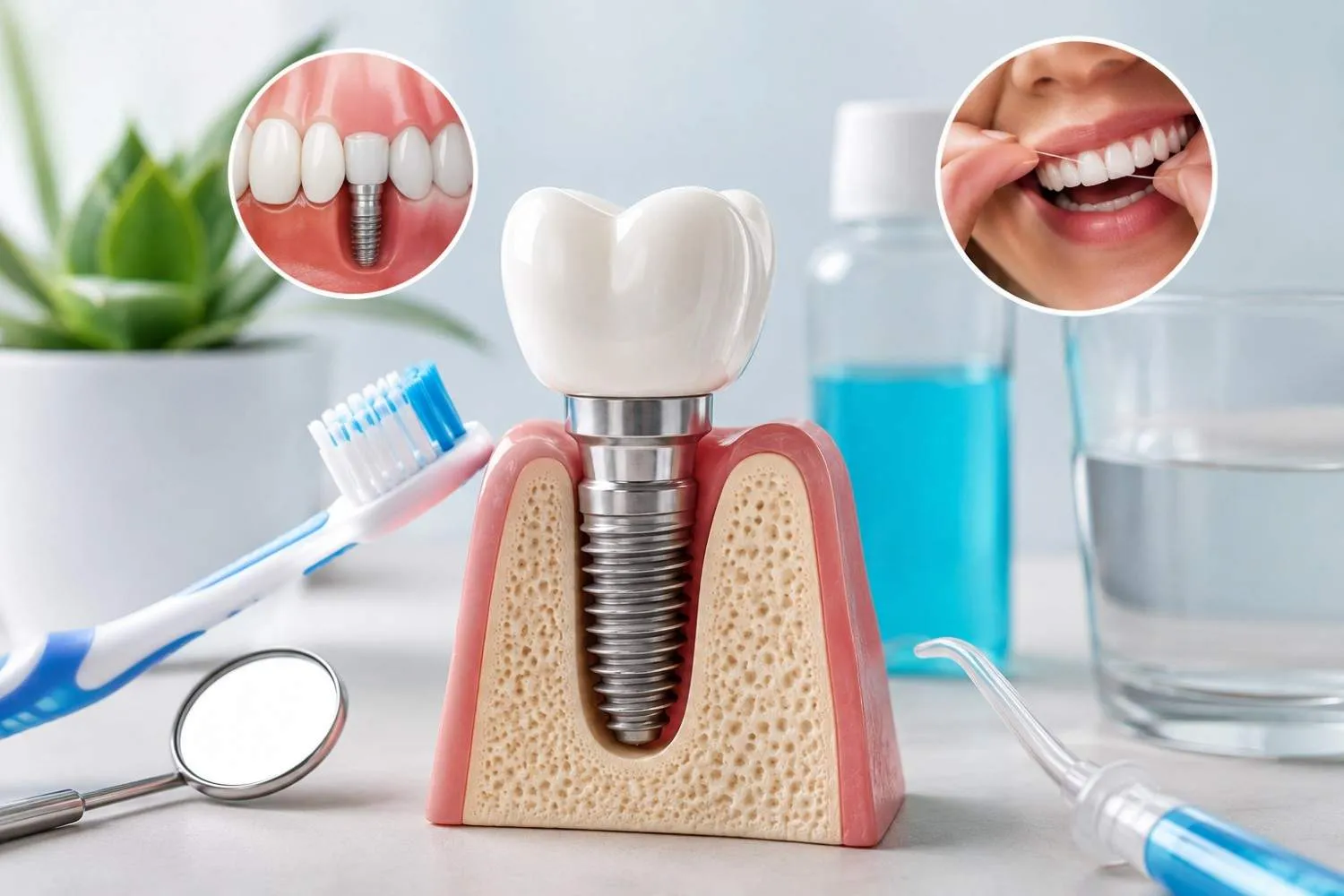


Dental implants are designed to restore everyday function and support a complete smile. With consistent oral hygiene and professional care, dental implant restorations in Tampa can remain comfortable and functional for many years.
Build a Consistent Cleaning Routine
Keeping the implant area clean is essential. Plaque can accumulate around the restoration and affect the surrounding tissues. Helpful habits include:
- Brush twice a day with a soft-bristled toothbrush
- Clean carefully around the restoration
- Use floss or other recommended cleaning aids
- Follow any personalized hygiene instructions
A prosthodontist can recommend cleaning techniques based on your specific restoration.
Keep Up With Professional Visits
Home care works best when combined with regular dental examinations. A prosthodontist in Tampa can evaluate the restoration, surrounding gums, and overall condition of the implant.
Routine visits also provide an opportunity to identify small changes before they become more complicated.
Be Mindful of Daily Habits
Although implant restorations are durable, unnecessary pressure can contribute to damage. Avoid chewing on hard objects and be cautious with extremely hard or sticky foods. If you participate in contact sports, ask your dental professional whether a protective mouthguard is appropriate.
Caring for Single Tooth Implants
Single tooth implants can provide a natural-looking replacement for an individual missing tooth. The restored area should be cleaned regularly, just like the rest of your mouth, while professional appointments help monitor its condition.
Watch for Changes
Contact your dental professional if you notice:
- Persistent discomfort
- Swelling or redness
- Difficulty cleaning the area
- Changes in the way the restoration feels
- Looseness or unusual movement
Early evaluation can help determine what is causing the change and whether treatment is necessary.
Support Your Implant for Years to Come
Long-term implant care comes down to consistent hygiene, sensible daily habits, and professional monitoring. Prosthodontics and Implant Therapy can help you maintain your restoration and protect your oral health through personalized follow-up care.
























Sign in to leave a comment.