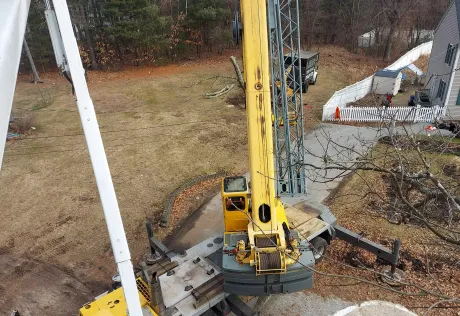

Trees provide beauty, shade, and a sense of tranquility to any yard, but when a tree stands next to a playset, it comes with special considerations. Proper maintenance and attention can ensure both the tree and your play area remain safe and enjoyable.
One of the first things to evaluate is the health of the tree. A tree near a playset experiences more stress than one in an open area because of foot traffic, lawn equipment, and potential impacts from swings or climbing activities. Signs of stress include cracks in the bark, dead branches, fungal growth, or a leaning trunk. Regular inspections can help identify these issues early and prevent accidents.
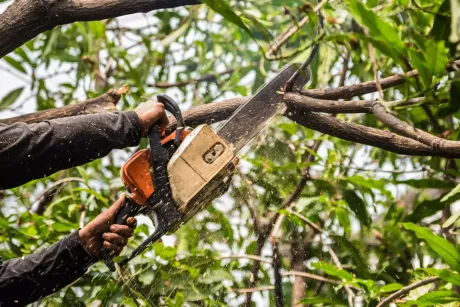
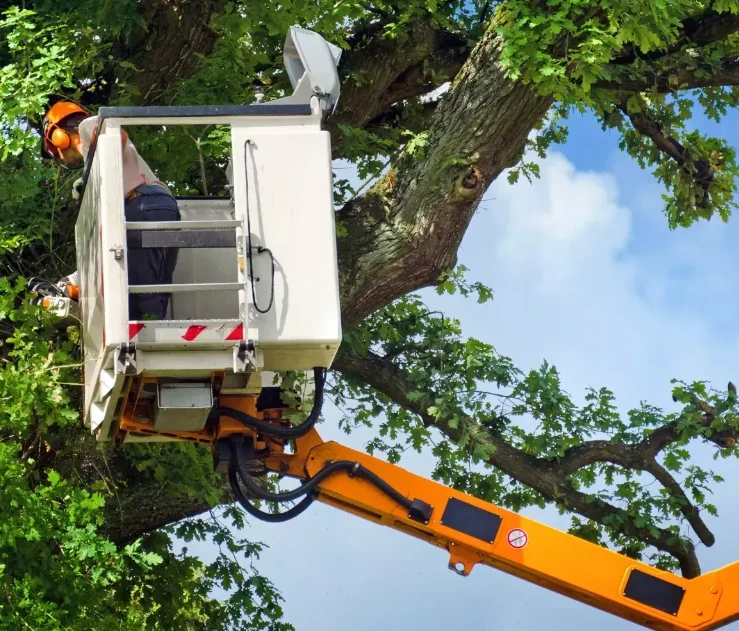
Pruning is an essential part of maintaining a tree next to playset. Overhanging branches can pose a risk if they are weak or diseased, potentially falling onto children or the play structure. Proper pruning not only removes hazardous limbs but also promotes healthy growth. When pruning, it’s important to avoid removing too much foliage at once, as this can shock the tree. Focus on trimming branches that are directly above or around the playset, and consider hiring a professional arborist if the tree is large or if climbing is required.
Soil care is another critical aspect. Trees next to play areas often have compacted soil from foot traffic, which can limit root growth and affect stability. Aerating the soil around the tree and applying mulch in a controlled area can help roots breathe and absorb nutrients more effectively. Avoid piling mulch directly against the trunk, as this can lead to rot and pest problems.
Safety around the tree is paramount. Make sure the playset is positioned far enough from the trunk and main roots so children don’t trip or damage the tree while playing. If the tree produces fruit, seeds, or nuts, monitor them for falling hazards, as they can cause slips or bruises. Additionally, keep an eye on insects and wildlife that may inhabit the tree, ensuring they don’t become a nuisance for children.
Watering and fertilization should be done with care. Trees next to play areas may need extra water during dry periods because soil tends to dry out faster due to exposure and activity. Fertilizers can be applied carefully to support growth, but it’s best to avoid areas where children play directly, preventing accidental contact with chemicals.
Finally, establishing a routine check-up is a smart practice. Seasonal inspections, especially after storms or harsh weather, can help spot potential problems before they escalate. Healthy trees enhance the play area by providing shade, a natural barrier, and a calming environment for children.
Maintaining a tree next to a playset requires attention, care, and preventive measures. By inspecting health, pruning appropriately, managing soil, and prioritizing safety, both the tree and your play area can coexist beautifully. With consistent care, the tree can remain a healthy, safe, and attractive feature of your yard for years to come.
Sign in to leave a comment.