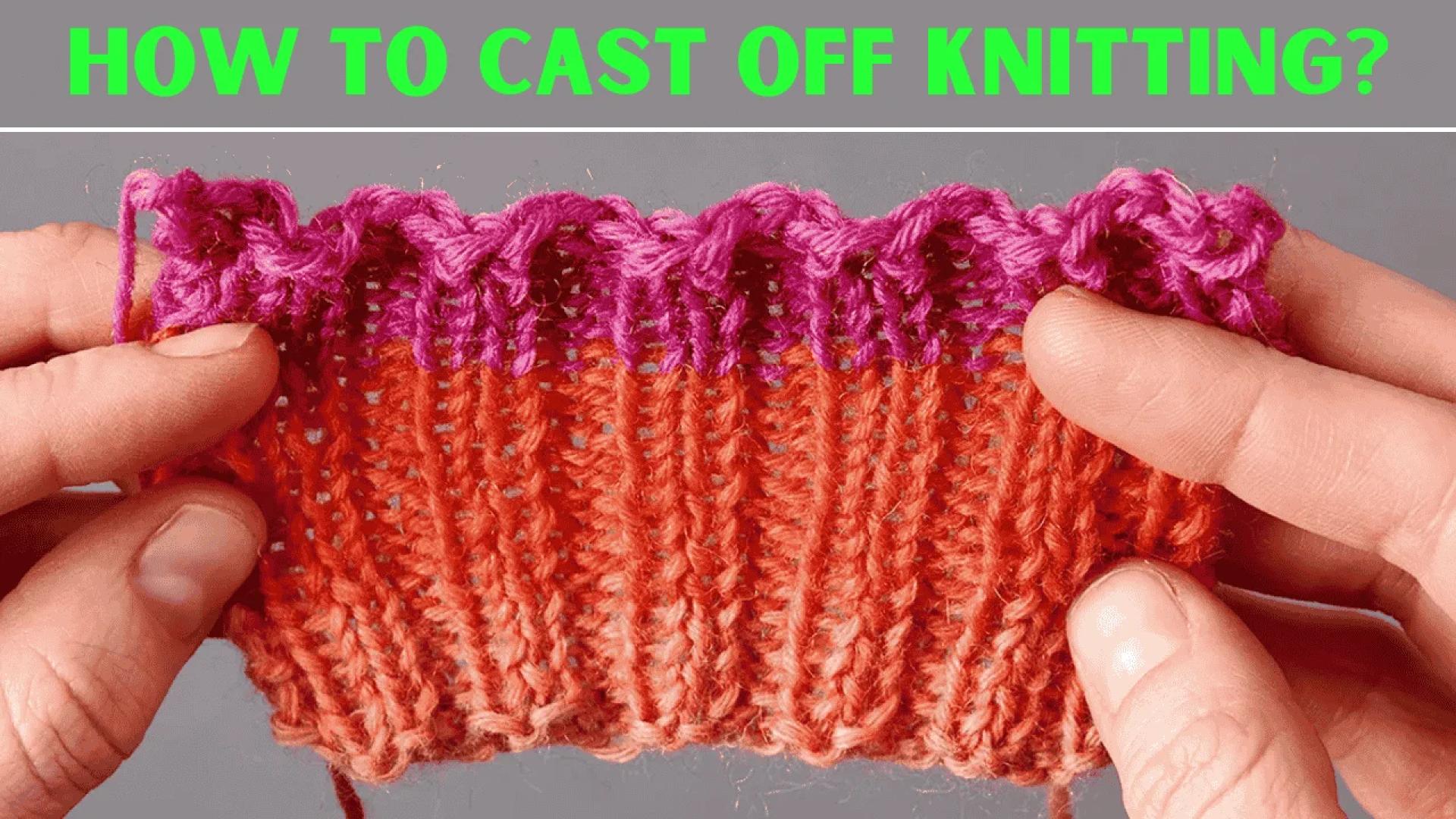

Mastering the Cast Off in Knitting: A Guide to Finishing Strong
When you finish knitting a project—whether it's a cozy scarf or a detailed sweater—one final step transforms your work from an active project into a wearable or usable item: casting off, also known as binding off. This technique secures the live stitches on your needle so they don’t unravel, creating a neat, stable edge.
https://crochetmind.com/knitting/how-to-cast-off-knitting/
What Does “Cast Off” Mean in Knitting?
To “cast off” means to remove your stitches from the needle in a way that locks them into place. This forms the finished edge of your knitting. A good cast-off balances functionality and appearance, complementing the overall look and elasticity of the project.
Basic Cast-Off Method (Standard Bind Off)
This is the most commonly used method and works well for many types of projects.
Instructions:
- Knit the first two stitches.
- Use the left needle to lift the first stitch over the second and off the right needle.
- Knit one more stitch.
- Repeat step 2 until one stitch remains.
- Cut the yarn, leaving a tail, and pull it through the last stitch to secure.
Result: A firm, slightly elastic edge—great for most scarves, dishcloths, and straight edges.
Types of Cast-Offs and Their Uses
There are different cast-off techniques for different needs:
1. Stretchy Bind Off
- Use for: Hats, cuffs, necklines, or anything needing flexibility.
- How: Knit two stitches, then pass the first over the second while keeping the yarn loose. Use a larger needle size or yarn overs to help.
2. Sewn Bind Off
- Use for: Socks or ribbing where a stretchy but smooth edge is needed.
- How: Uses a tapestry needle to mimic the structure of the knit row. Elizabeth Zimmermann popularized this method.
3. Picot Bind Off
- Use for: Decorative edges on shawls and lace projects.
- How: Involves casting on additional stitches and binding them off to form little “points.”
4. Tubular Bind Off
- Use for: Ribbing and professional-looking finishes.
- How: Uses a setup row and a sewn finish for a rounded, stretchy edge that blends with the ribbing.
Conclusion
The cast-off isn’t just a technical step—it’s the final touch that seals your knitting with finesse. Whether you need something firm, stretchy, or decorative, choosing the right cast-off method elevates your project from handmade to beautifully crafted.



























Sign in to leave a comment.