

However, these changes may be early signs of cataracts, a condition that gradually affects the clarity of your vision. Cataracts are one of the leading causes of vision impairment worldwide, but they are also one of the most treatable eye conditions. Understanding the available cataract treatment options can help you make informed decisions and protect your long-term eye health.
What Is a Cataract?
A cataract develops when the eye's natural lens becomes cloudy. Instead of allowing light to pass through clearly, the cloudy lens causes vision to become blurred, making everyday activities more difficult. Cataracts usually develop slowly, so many people do not notice the changes until their vision begins to interfere with daily life.
Although aging is the most common cause, cataracts may also develop due to diabetes, previous eye injuries, long-term steroid use, excessive exposure to ultraviolet (UV) light, smoking, or certain inherited conditions.
Common Symptoms of Cataracts
Cataract symptoms often become more noticeable as the condition progresses. You should arrange a comprehensive eye examination if you experience:
- Blurred or cloudy vision
- Difficulty seeing at night
- Increased sensitivity to bright lights or glare
- Colors appearing faded or yellow
- Frequent changes in your glasses prescription
- Double vision in one eye
- Difficulty reading, driving, or recognizing faces
Early diagnosis allows your ophthalmologist to monitor the condition and recommend the most appropriate cataract treatment at the right time.
When Is Cataract Treatment Needed?
Not every cataract requires immediate surgery. During the early stages, stronger glasses, improved lighting, or magnifying lenses may temporarily help you see more clearly. However, these solutions do not remove the cataract or stop it from progressing.
Surgery is usually recommended when vision loss begins to affect daily activities such as reading, driving, working, or enjoying hobbies. Your ophthalmologist will assess your vision, lifestyle, and overall eye health before recommending the most suitable treatment plan.
How Is Cataract Surgery Performed?
Surgery is the most effective cataract treatment available today. During the procedure, the cloudy natural lens is carefully removed and replaced with a clear artificial intraocular lens (IOL).
Modern cataract surgery is:
- Performed under local anesthesia
- Usually completed within 15 to 30 minutes
- A same-day procedure in most cases
- Designed to provide a smooth recovery with minimal discomfort
The type of intraocular lens recommended depends on your visual needs, lifestyle, and overall eye health. Your ophthalmologist will explain the available options before surgery.
Recovery After Cataract Surgery
Recovery is generally quick, and many patients notice clearer vision within a few days. Complete healing may take several weeks as the eye continues to recover.
To support healing, you should:
- Use prescribed eye drops as instructed
- Avoid rubbing your eyes
- Wear protective eyewear if recommended
- Avoid heavy lifting for a short period
- Attend all scheduled follow-up appointments
Following your ophthalmologist's advice helps reduce the risk of complications and promotes the best possible visual outcome.
Benefits of Cataract Treatment
Successful cataract surgery can significantly improve both vision and quality of life. Many patients experience:
- Sharper, clearer vision
- Brighter and more natural colors
- Reduced glare from headlights and sunlight
- Improved ability to read and drive
- Greater independence in everyday activities
- Better overall visual comfort
Most patients are able to return to their normal routines with improved confidence and clearer eyesight.
Conclusion
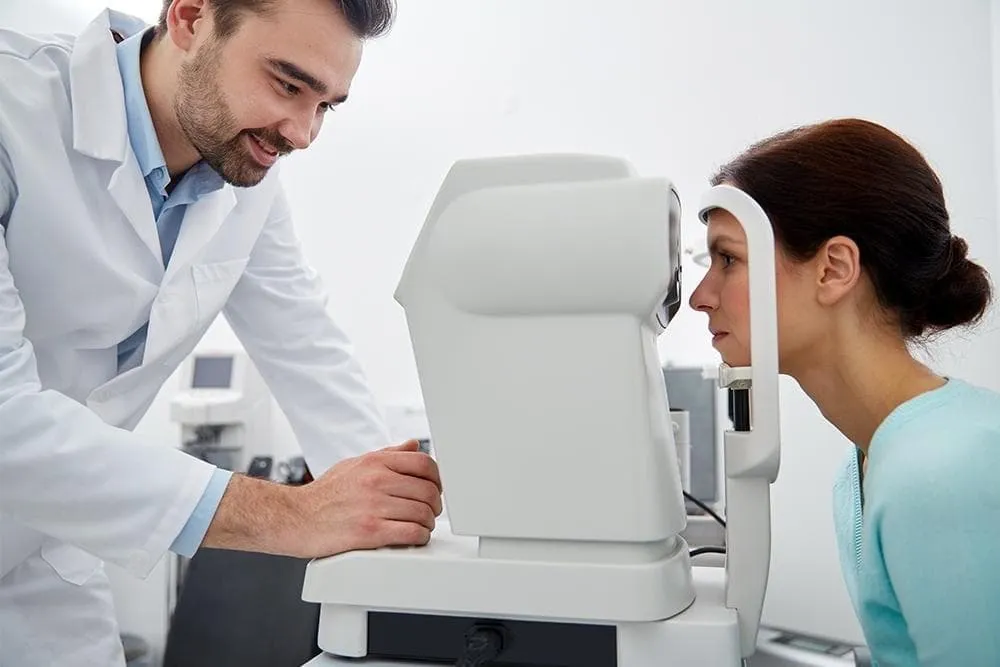
Modern cataract treatment offers a safe and effective way to restore clearer vision and improve daily life. Recognizing the symptoms early and seeking a comprehensive eye examination allows your ophthalmologist to recommend the most appropriate treatment based on your individual needs. Whether you require regular monitoring or cataract surgery, timely care can help protect your vision and support long-term eye health.
If you are considering cataract treatment, Halil Hüseyin Çağatay provides comprehensive eye evaluations and personalized treatment plans using modern diagnostic technology and advanced surgical techniques. Contact today to schedule your eye examination and learn which treatment option is right for you.
Frequently Asked Questions
Is cataract surgery painful?
No. The procedure is performed under local anesthesia, so patients typically do not feel pain during surgery. Mild irritation or discomfort after the procedure is normal and usually improves within a few days.
How long does cataract surgery take?
The operation usually takes between 15 and 30 minutes, although you should expect to spend a little longer at the clinic for preparation and post-operative observation.
Will I still need glasses after cataract surgery?
Some patients may still need glasses for reading or certain activities, depending on the type of intraocular lens used and their individual vision needs.
Can cataracts come back after surgery?
No. Once the cloudy natural lens has been removed, the cataract cannot return. In some cases, the membrane behind the artificial lens may become cloudy over time, but this can usually be treated quickly with a simple laser procedure.



























Sign in to leave a comment.