
In the world of home maintenance, a small crack can lead to a big problem. Whether you're a DIY enthusiast or a seasoned contractor, understanding the right approach to caulking can make the difference between a temporary fix and a long-lasting solution.
Why Caulking Matters
Caulking isn't just about aesthetics; it's a critical barrier against water damage, air leaks, and pests. Over time, exposure to the elements can degrade unsealed joints, especially around windows, doors, bathrooms, and exterior siding. By properly sealing these areas, you enhance energy efficiency and preserve structural integrity.
Choosing the Right Caulking
There is no one-size-fits-all. The market offers an array of waterproofing products, but knowing when and where to use them is key:
- Acrylic Latex Caulk: Easy to apply and clean up, ideal for interior use.
- Silicone Caulk: Superior flexibility and water resistance, perfect for kitchens and bathrooms.
- Polyurethane Caulk: Tough and durable, recommended for exterior applications.
Look for formulations that offer UV resistance and mold/mildew inhibitors for added longevity.
Tips to Seal Like a Pro
1. Preparation Is Key
Before applying caulking, remove any old material and clean the surface. Ensure the area is dry and dust-free for optimal adhesion.
2. Use the Right Tools
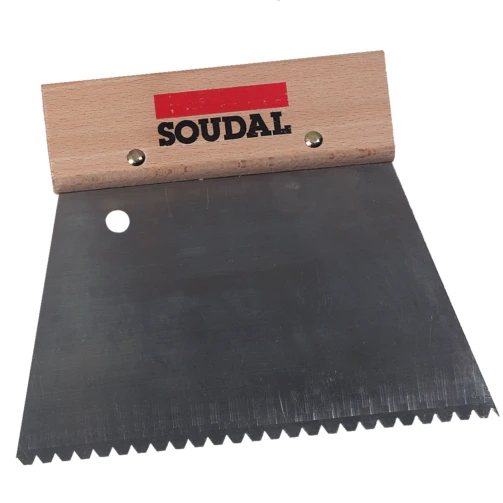
A high-quality caulking gun ensures smoother, more controlled application. Don't forget a utility knife, scraper, and gloves.
3. Mind the Weather
Avoid applying caulking during extreme temperatures. Mild, dry weather allows the sealant to cure properly.
4. Smooth It Out
After application, use a caulking tool or your finger (with a bit of soapy water) to smooth the bead. This helps with adhesion and aesthetics.
Real-World Testimonial
"I redid the caulking in my bathroom using a waterproof silicone product, and it’s been over a year with zero mold or cracks. Following the prep and curing steps made a big difference. I feel like a pro now!" — Marcus L., Home Renovator
Frequently Asked Questions
Q: How often should I replace caulking?
A: Check seals annually. Most interior caulking lasts 5 years; exterior seals may degrade faster due to weather.
Q: Can I apply new caulking over old caulk?
A: It's not recommended. For best results, remove old caulk to ensure proper adhesion and performance.
Q: Are all waterproofing products safe for bathrooms?
A: Not necessarily. Always read labels and select products labeled for wet or humid environments.
Maintaining the Seal
Once applied, monitor the caulk line for signs of peeling or discoloration. Proper ventilation and cleaning will extend its lifespan, especially in moisture-prone areas like showers or basements.
Final Thoughts
Whether you're working on a quick fix or a larger renovation, mastering the basics of caulking and using the right waterproofing products will ensure a seal that stands the test of time. A little attention to detail goes a long way toward keeping your home safe, efficient, and damage-free.



























Sign in to leave a comment.