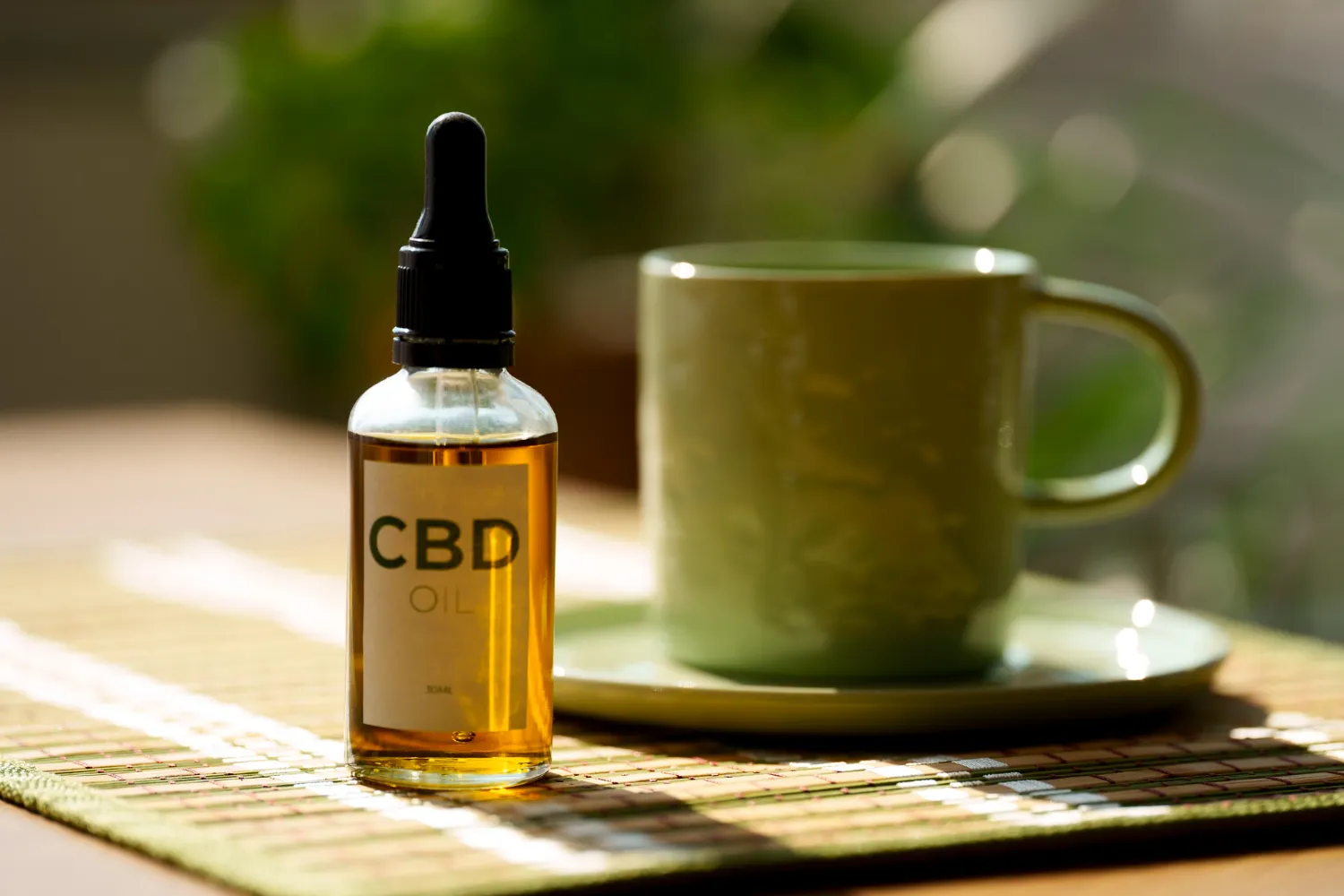

Choosing the right CBD Boxes for your product line affects far more than looks. Packagly works with hemp and wellness brands who learn this the hard way — a box that fails to protect potency or meet labeling rules can undo months of formulation work. This guide breaks down the materials, features, and compliance points that separate a box that just holds product from one that protects the brand behind it.
What CBD boxes are and why brands choose them
CBD Boxes serve a purpose that goes beyond a store shelf. They shield tinctures, gummies, and capsules from light, moisture, and rough handling during shipping. Have you ever opened a package to find the product shifted or the label smudged? That's what proper CBD Boxes prevent.
Buyers also read packaging as a signal of quality. A brand that invests in sturdy, well-labeled CBD Boxes tells the customer the product inside received the same care. Retail buyers notice this too, and it often decides whether a product gets shelf space at all.
Beyond appearance, these boxes carry legal weight. Child-resistant packaging is mandatory for all CBD retail products sold in the USA, and every package needs a scannable QR code that links directly to a batch-specific Certificate of Analysis. That single requirement changes how CBD Boxes get engineered from the inside out.
Materials, features, and local suitability
Not every box works for every product. Tinctures need rigidity and a secure seal. Gummies need barrier protection against moisture. Vape cartridges need a snug insert that stops rattling in transit.
Kraft paperboard remains a popular choice for capsule and gummy cartons because it holds print well and keeps costs reasonable. Rigid boxes suit tinctures and gift sets where the packaging itself becomes part of the unboxing experience. Matte laminate cartons give room for the compliance text most CBD Boxes now require, without crowding the design. Child-resistant cartons with tuck locks combine compliance and physical protection in a single structure.
Why does the material matter so much for a hemp product specifically? Cannabinoids degrade under light and heat, so a box that blocks UV exposure keeps the product stable on the shelf far longer than plain cardboard.
| Material | Barrier Protection | Best For | Maintenance |
|---|---|---|---|
| Kraft paperboard | Moderate | Gummies, capsules | Low |
| Rigid box | High | Tinctures, gift sets | Low |
| Matte laminate carton | Moderate-High | Full-line compliance labeling | Low |
| Child-resistant tuck-lock carton | High | Ingestible, multi-use products | Moderate |
The process: from design to finished box
Getting from concept to a finished run of CBD Boxes follows a fairly consistent path, whether the client orders 500 units or 50,000.
Step one is the compliance review. Before any artwork gets finalized, the required label elements need placement: potency, allergens, lot number, and warning language. Skipping this step is the single most common reason a box design gets sent back for revision.
Step two is material and structure selection, based on the product type and shipping conditions. Step three is proofing, where a physical or digital sample gets checked against the compliance list line by line. Final production runs only after that proof gets sign-off.
Compliance checkpoints during production
Youth-appealing graphics, cartoon characters, and health claims are strictly prohibited on any CBD box design. A production run that includes these elements, even unintentionally through stock clip art, risks rejection at the retail level or worse, a compliance flag from regulators. Packaging House
Mandatory label information typically must be at least 1/16 inch in height depending on packaging size, and tiny disclaimers hidden in decorative typography invite enforcement scrutiny. This is where design and legal requirements sometimes pull in different directions, and a good print partner knows how to balance both. Pack Legacy
Testing and certification
Packaging must be certified by independent laboratories like Intertek or SGS, not just claim to be child-resistant. Testing typically requires the F equals 1 protocol involving fifty children between roughly 42 and 51 months old, alongside a senior adult use effectiveness study. Brands that print a child-resistant claim without this certification carry real legal exposure.
Choosing the right packaging provider
Selecting a provider for CBD Boxes comes down to more than turnaround time. A specialist who works exclusively with hemp and wellness products understands the compliance landscape in a way a general print shop often does not.
Local companies like Packagly focus specifically on hemp and wellness packaging, which means they track labeling rule changes as they happen rather than after a client gets flagged. That kind of specialization shows up in fewer proofing rounds and fewer compliance surprises down the line.
A provider who works only in this category will have handled QR-linked Certificate of Analysis integration before, know which laminates hold up against tincture leakage, and carry familiarity with the multi-state labeling patchwork that a general packaging vendor often has not encountered. That difference tends to matter most when a brand sells across several states with varying rules.
Does the provider ask about your specific product format before quoting a box? That single question separates a specialist from an order-taker. A gummy line and a tincture line need entirely different structural solutions, and a provider who quotes the same box for both usually has not thought it through.
Conclusion
CBD Boxes carry more responsibility than most people realize walking into the category. Material choice, compliance labeling, and structural protection all work together, and getting one wrong tends to expose weaknesses in the others. Brands that treat their box as part of the product, not an afterthought, see fewer compliance headaches and stronger shelf presence.
If you want a packaging partner who understands hemp-specific compliance and material performance, Packagly offers project consultations and can walk you through options suited to your product line. There is no pressure involved, just a conversation about what your specific format actually needs.
FAQs
Do CBD gummies and tinctures always need child-resistant packaging?
Most ingestible CBD products require CR-certified packaging in the current regulatory climate. Requirements vary somewhat by state and product type, so checking local rules before a production run matters.
What information has to appear on CBD Boxes by law?
Labels generally must show potency, allergens, expiration date, lot number, and required warning language, along with a QR code linking to lab results.
Is opaque or clear packaging better for CBD products?
Opaque materials protect cannabinoids from light degradation and are often required for certain product categories, making them the safer default choice.
Do CBD Boxes need special permits before printing?
No permit applies to the box itself, though the label content must meet FDA and state-specific compliance standards before production begins.
How do CBD Boxes hold up during shipping in hot climates?
Rigid materials with proper sealing resist heat-related warping and help preserve potency, which matters most for products shipped through warmer regions during summer months.






















Sign in to leave a comment.