
Introduction
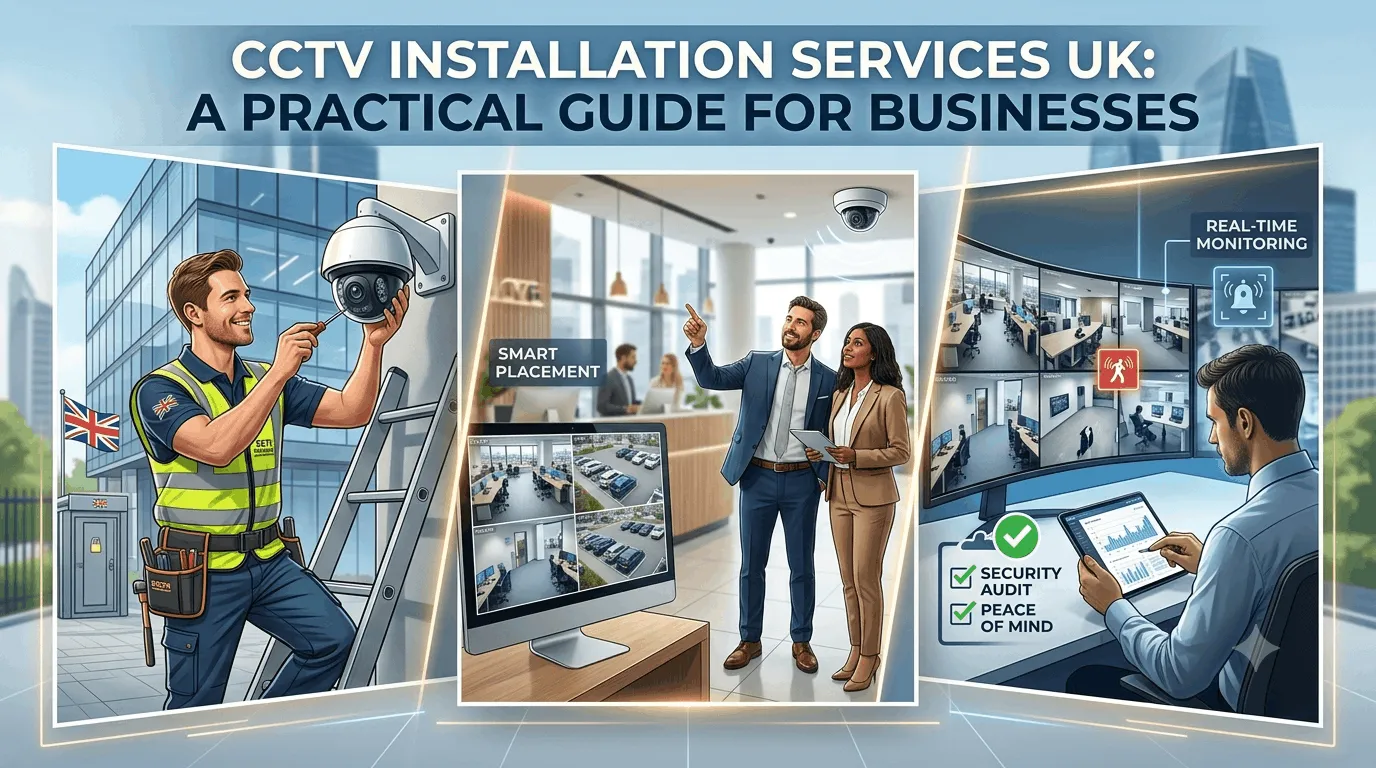
A CCTV system can be an important part of protecting a home, office, retail property, warehouse, or commercial site. However, buying cameras is only the first step. Professional CCTV installation services help ensure cameras are positioned correctly, equipment is configured properly, and the finished system provides useful coverage where it is needed most.
A well-planned installation can improve visibility around vulnerable areas, support crime deterrence, and provide recorded footage if an incident occurs. For businesses in particular, choosing the right equipment and installation approach can make a significant difference to the system's long-term reliability.
What Do CCTV Installation Services Include?
Professional CCTV installation involves much more than attaching cameras to walls. The process normally begins with understanding the property's layout and identifying areas that require protection.
Depending on the project, installation may include:
- Site and security assessment
- Camera positioning and mounting
- Cable installation or network configuration
- Recording equipment setup
- Camera configuration
- Remote viewing setup
- System testing
- User guidance
- Ongoing maintenance
The exact installation process depends on the size and complexity of the property.
Why Professional CCTV Installation Matters
Better Camera Positioning
Even a high-quality camera cannot provide useful footage if it is positioned incorrectly. Professional installers consider entrances, exits, blind spots, lighting, viewing angles, and areas where security incidents are more likely to occur.
The objective is not simply to install as many cameras as possible. It is to achieve effective coverage while avoiding unnecessary equipment.
Reliable Recording
CCTV footage is only useful if the system records consistently and stores the footage securely. Professional configuration can help ensure cameras, recorders, networks, and storage work together correctly.
Recording requirements may vary depending on the business, property, and intended use of the system.
Improved Night-Time Visibility
Security concerns do not stop when a property closes. Poor lighting can make footage difficult to use, particularly around entrances, car parks, loading areas, and external boundaries.
Camera selection should therefore take lighting conditions into account. Depending on the environment, features such as infrared or low-light performance may be appropriate.
How to Plan a CCTV Installation
A successful project starts with planning rather than purchasing equipment immediately.
1. Identify Vulnerable Areas
Start by considering where security incidents are most likely to occur. These may include:
- Main entrances
- Rear doors
- Loading areas
- Car parks
- Reception areas
- Stockrooms
- External boundaries
- Restricted-access rooms
Understanding these areas helps determine where cameras will provide the greatest value.
2. Consider the Required Image Quality
Different areas may require different levels of detail. A camera monitoring a wide outdoor space may have different requirements from one positioned near an entrance where facial or identifying details may be important.
Resolution, lens selection, viewing distance, lighting, and camera positioning should all be considered together.
3. Choose the Right Recording Setup
Businesses should consider how much footage they need to retain and how it will be accessed.
Recording can be managed through suitable network or digital recording equipment, depending on the system design. Storage requirements should be considered before installation to avoid insufficient capacity.
CCTV Installation Services for UK Businesses
Businesses have different security requirements depending on their sector and premises.
A small office may need cameras covering entrances and reception areas, while a warehouse could require coverage across loading bays, storage areas, external boundaries, and employee access points.
Professional CCTV installation experts can help businesses understand installation considerations, including system design, costs, setup, and relevant legal responsibilities.
A commercial CCTV system may help businesses:
- Deter unwanted activity
- Monitor vulnerable areas
- Protect stock and equipment
- Improve awareness of activity
- Investigate incidents
- Support wider security procedures
The system should be designed around the actual risks faced by the business rather than using a generic configuration.
CCTV and Data Protection Responsibilities
Businesses need to consider privacy and data protection when CCTV captures identifiable individuals.
The Information Commissioner's Office provides guidance covering the use of video surveillance and CCTV under UK data protection law. Organisations should consider whether surveillance is necessary and proportionate, how footage is stored, who can access it, and how long recordings are retained.
The ICO CCTV and video surveillance guidance provides detailed information for organisations using surveillance systems.
The UK Government's data protection guidance is also useful for understanding wider responsibilities when personal information is processed.
For businesses operating surveillance systems, legal and privacy considerations should be included in the planning process rather than addressed only after installation.
Common CCTV Installation Mistakes
Poor planning can reduce the effectiveness of an otherwise expensive CCTV system.
Some common mistakes include:
- Choosing cameras based solely on price
- Leaving important areas outside the camera's field of view
- Ignoring lighting conditions
- Installing cameras too high or too low
- Failing to secure recording equipment
- Not testing remote access
- Overlooking privacy considerations
- Neglecting maintenance
Professional installation can help identify these issues before they become costly problems.
When Should You Upgrade Your CCTV System?
An existing CCTV system may no longer provide sufficient protection as a property or business changes.
Consider reviewing the system if:
- Your premises have been expanded
- Existing cameras produce poor-quality footage
- Important areas have developed new security risks
- Cameras frequently fail
- Storage is no longer sufficient
- You need remote viewing
- Your current equipment is outdated
A security review can help determine whether individual cameras need replacing or whether a complete system upgrade is more appropriate.
How to Choose a CCTV Installer
When comparing CCTV installation providers, look beyond the initial price.
Consider:
- Relevant installation experience
- Quality and suitability of equipment
- Understanding of commercial security
- Clear pricing
- Installation and testing procedures
- Maintenance and technical support
- Knowledge of privacy and data protection requirements
A professional installer should be willing to explain why particular equipment and camera positions are recommended.
Summary
Professional CCTV installation services provide more than cameras and recording equipment. A properly designed system considers the property's layout, vulnerable areas, lighting, image quality, storage requirements, remote access, and privacy responsibilities.
For businesses, professional installation can provide a more reliable foundation for wider security measures while helping ensure valuable footage is available when required. Whether you are installing CCTV for the first time or replacing an outdated system, careful planning can improve both security and long-term value.
To discuss professional commercial CCTV requirements and explore suitable options, visit ProForce Commercial Security.
FAQs
How much do CCTV installation services cost?
The cost varies depending on the number of cameras, equipment specifications, property size, installation complexity, recording requirements, and additional features such as remote access.
How long does CCTV installation take?
A straightforward residential or small commercial installation may be completed relatively quickly, while larger sites can require more time for cabling, configuration, testing, and commissioning.
Can CCTV cameras work at night?
Yes. Many modern security cameras are designed for low-light conditions and may include infrared or other night-vision technologies. The appropriate option depends on the property's lighting and surveillance requirements.
Do businesses need permission to install CCTV?
Businesses generally do not need a general planning "permission" simply to use CCTV, but they must consider applicable data protection and privacy responsibilities. The ICO provides specific guidance on lawful and proportionate surveillance.


























Sign in to leave a comment.