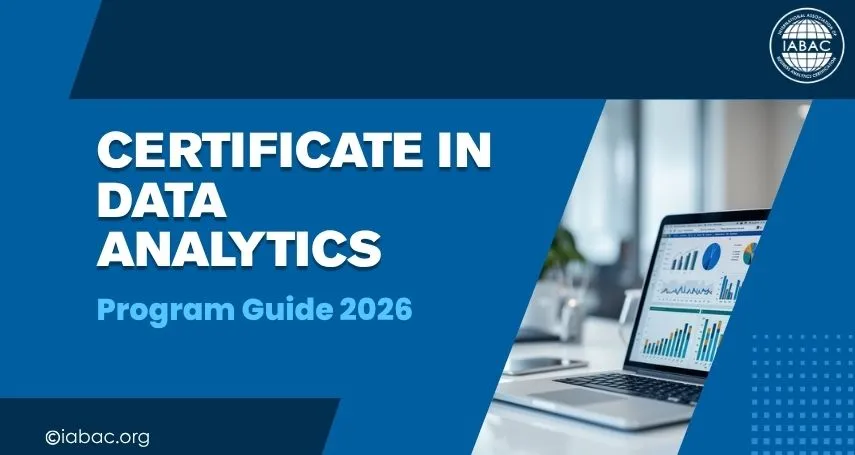

Data is everywhere today. From the apps we use daily to the decisions businesses make, data plays a key role in shaping outcomes. But raw data alone is not useful unless someone knows how to understand it. That is where data analytics comes in.
If you are thinking about building a career in this field, a certificate in data analytics can be a great starting point. In this guide, you will learn what this certification is, why it matters in 2026, what you will study, and how to choose the right program.
What is a Certificate in Data Analytics?
A certificate in data analytics is a short-term course that teaches you how to work with data. It focuses on practical skills rather than long academic theory.
In simple terms, you will learn how to:
Collect dataClean and organize itAnalyze it to find patternsPresent insights in an easy way
These programs are designed for beginners as well as professionals who want to switch careers or upgrade their skills.
Why Data Analytics is Important in 2026
The demand for data professionals continues to grow. Companies are collecting more data than ever before, but they need skilled people to make sense of it.
In 2026, businesses are not just hiring data scientists. They are also looking for data analysts who can:
Understand business problemsWork with data toolsProvide clear insights
This makes a certificate in data analytics a valuable step if you want to enter this field quickly.
Who Should Take This Certification?
The best part about a certificate in data analytics is that it is open to almost anyone.
You should consider it if you are:
A student exploring career optionsA working professional planning a career switchSomeone in marketing, finance, or HR wanting data skillsA beginner with no coding background
You do not need advanced technical knowledge to start. Many programs begin from the basics.
Skills You Will Learn
A good certificate program focuses on practical, job-ready skills. Here are the main areas you will cover:
1. Data Basics
You will learn what data is, the types of data, and how it is used in real-world situations.
2. Excel and Spreadsheets
Spreadsheets are still widely used. You will learn formulas, charts, and data organization.
3. SQL (Structured Query Language)
SQL helps you work with databases. You will learn how to extract and filter data.
4. Data Visualization
This is about presenting data in charts and dashboards so others can understand it easily.
5. Basic Statistics
You will learn simple concepts like averages, trends, and comparisons.
6. Tools Like Python or Power BI
Some programs introduce tools that are widely used in the industry.
These skills help you move from raw data to meaningful insights.
Key Features of a Good Program
Not all certification programs are the same. When choosing one, look for these features:
Practical Learning
The course should include real-world projects. This helps you apply what you learn.
Beginner-Friendly Content
The lessons should start from basics and gradually move to advanced topics.
Hands-On Tools
You should get experience with tools used in real jobs.
Flexible Learning
Online programs allow you to learn at your own pace.
Industry-Relevant Curriculum
The topics should match current job market needs.
Duration and Cost
Most certificate in data analytics programs are short-term.
Duration: 3 to 12 monthsCost: Varies depending on the provider
Shorter programs focus on quick learning, while longer ones offer deeper understanding.
Career Opportunities After Certification
Once you complete a certificate in data analytics, several job roles become available.
Data Analyst
This is the most common role. You work with data to find trends and insights.
Business Analyst
You help companies make decisions using data.
Marketing Analyst
You analyze customer data to improve campaigns.
Operations Analyst
You focus on improving business processes using data.
These roles are available in many industries, including finance, healthcare, e-commerce, and technology.
Salary Expectations
Salaries vary based on experience, location, and skills.
For beginners:
Entry-level roles offer decent starting salariesWith experience, earnings grow quickly
The more tools and skills you learn, the better your chances of higher pay.
How to Choose the Right Program
Choosing the right certification is important. Here are some simple tips:
Check the Curriculum
Make sure it covers important tools and concepts.
Look for Projects
Hands-on projects help you build a portfolio.
Read Reviews
See what past learners say about the program.
Consider Your Goals
If you want a quick start, choose a short course. If you want depth, choose a detailed program.
Online vs Offline Programs
Online Programs
Flexible and convenientLearn from anywhereUsually more affordable
Offline Programs
Classroom environmentDirect interaction with instructorsFixed schedules
In 2026, many learners prefer online programs because of flexibility.
Common Mistakes to Avoid
When starting your data analytics journey, avoid these mistakes:
Choosing Only Based on Price
Cheap courses may not provide quality learning.
Ignoring Practical Practice
Theory alone is not enough. Practice is key.
Expecting Instant Results
Learning data analytics takes time and consistency.
Not Building a Portfolio
Projects help you show your skills to employers.
How to Get Started
Starting is easier than you think. Follow these steps:
Understand what data analytics involvesChoose a beginner-friendly certificationSet a learning schedulePractice regularlyWork on small projectsApply for internships or entry-level roles
Consistency is more important than speed.
Future Scope of Data Analytics
The future of data analytics looks strong. As companies continue to rely on data, the need for skilled professionals will increase.
In the coming years:
More industries will adopt data-driven decisionsTools will become easier to useDemand for skilled analysts will grow
This makes it a stable and rewarding career choice.
A certificate in data analytics is a smart step if you want to enter the world of data. It provides practical skills, opens career opportunities, and helps you stay relevant in a competitive job market.
The key is to choose the right program, stay consistent in learning, and focus on real-world practice.
If you are serious about building a career in this field, start now. The sooner you begin, the sooner you grow.
Suggested Certification: IABAC Data Analytics Certification is a good option to build practical and job-ready






















Sign in to leave a comment.