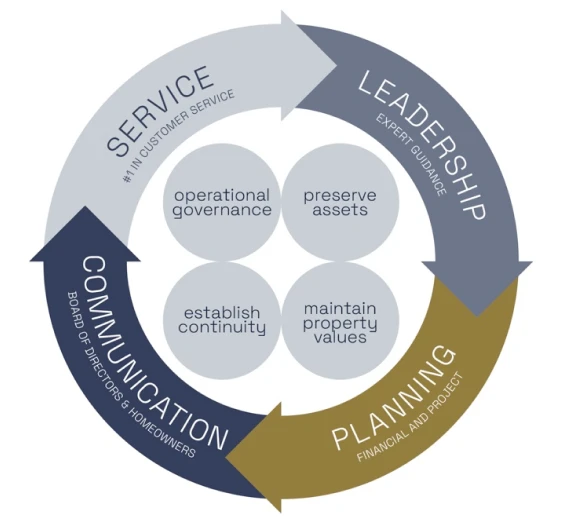

Managing properties for homeowner associations (HOAs) presents a unique set of challenges that require a delicate balance of people skills, financial acumen, and legal knowledge. Homeowner associations are tasked with maintaining property values, ensuring a harmonious community, and managing the collective interests of all homeowners.
Here, we delve into the challenges of homeowner property management:
Effective Communication: Effective communication is crucial in managing properties for homeowner associations, yet it remains one of the most challenging aspects. Ensuring that all members are informed about decisions, changes, and updates can be a daunting task. Miscommunications can lead to misunderstandings, conflicts, and dissatisfaction among members. To overcome this, HOAs need to establish clear, consistent communication channels and practices.
Conflict Resolution: In any community, disputes and disagreements are inevitable. From noise complaints to disagreements over property modifications, HOAs must navigate these waters carefully to maintain peace and order. Effective conflict resolution requires diplomacy, fairness, and sometimes, legal advice. Striking a balance between enforcing rules and accommodating individual homeowner needs is essential but challenging.
Financial Management: Managing the finances of an HOA involves budgeting, collecting dues, allocating funds for maintenance and improvements, and sometimes dealing with delinquencies. Financial mismanagement can lead to a lack of resources for essential services, reducing property values and homeowner satisfaction. HOAs must be transparent about their financial decisions and ensure they have a robust system for managing their finances.
Legal Compliance: HOAs are governed by a plethora of laws and regulations at the local, state, and federal levels. Staying compliant with these regulations while also enforcing the community's bylaws and covenants can be complex. Legal challenges can arise, requiring HOAs to seek professional advice, which can be costly and time-consuming.
Maintenance and Improvement: Keeping the common areas and amenities in top condition is vital for preserving property values and ensuring homeowner satisfaction. However, deciding on the priorities for maintenance and improvements, especially when funds are limited, can be challenging. Additionally, ensuring that all homeowners adhere to the community's aesthetic standards requires vigilance and sometimes, enforcement actions.
Board Member Turnover: HOAs rely on volunteers to serve on their boards, which can lead to high turnover rates. This can result in a loss of continuity and expertise, making it difficult to maintain consistent management practices. Recruiting and retaining dedicated board members who are willing to invest their time and energy for the benefit of the community is an ongoing challenge.
Lastly, homeowner property management involves navigating a complex landscape of interpersonal, financial, legal, and logistical challenges. Success requires a multifaceted approach that includes effective communication, financial prudence, legal compliance, and a commitment to serving the community's best interests. By addressing these challenges head-on, HOAs can ensure a harmonious and prosperous community for all homeowners.




























Sign in to leave a comment.