
The Future of Cost-Effective Injection Molding
Introduction to Injection Molding
Injection molding is a manufacturing process that has revolutionized the production of plastic parts. With its ability to create complex shapes with high precision, it has become a staple in various industries, including automotive, consumer goods, and medical devices. As the demand for cost-effective production methods increases, understanding the advancements in injection molding is essential for manufacturers looking to stay competitive.
The Importance of Cost-Effectiveness in Manufacturing
In today's fast-paced market, cost-effectiveness plays a crucial role in manufacturing. Companies need to balance quality, speed, and cost to remain profitable. Cost-effective injection molding is vital for several reasons:
- Competitive Pricing: Lower production costs allow companies to offer competitive prices, attracting more customers.
- Increased Profit Margins: By minimizing expenses, manufacturers can enhance their profit margins significantly.
- Flexibility: Cost-effective methods enable businesses to adapt quickly to changing market demands.
Key Advancements in Injection Molding Technology
The injection molding industry is continuously evolving, driven by technological advancements that enhance efficiency and reduce costs. Notable developments include:
- Automation and Robotics: Automation has streamlined the injection molding process, reducing labor costs and increasing efficiency. Robots can handle repetitive tasks, allowing human workers to focus on more complex operations.
- 3D Printing Integration: The integration of 3D printing with injection molding allows for rapid prototyping and the production of intricate designs. This combination reduces lead times and enhances product development.
- Smart Manufacturing: The use of IoT (Internet of Things) in injection molding machines enables real-time monitoring and predictive maintenance, reducing downtime and improving overall efficiency.
Understanding the Injection Molding Process
The injection molding process consists of several critical steps that are essential for producing high-quality parts:
- Material Selection: Choosing the right material is essential for the final product's performance and cost. Common materials include ABS, polycarbonate, and nylon. Each material has unique properties that make it suitable for specific applications, influencing factors like durability, flexibility, and resistance to heat or chemicals.
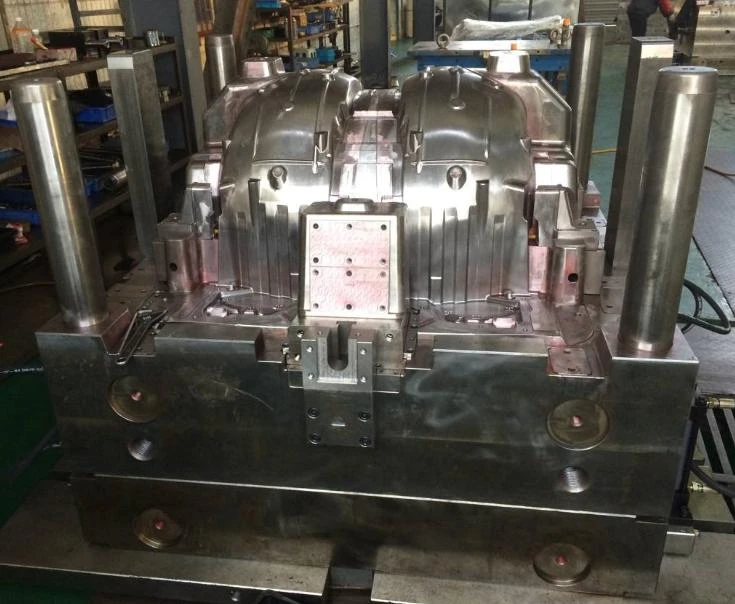
- Mold Design: A well-designed mold is crucial for producing high-quality parts. Factors to consider include cavity count, cooling channels, and ejection mechanisms. An efficient mold design can significantly reduce cycle times and improve the overall quality of the finished product.
- Injection Phase: In this phase, molten plastic is injected into the mold under high pressure. The speed and temperature during this phase significantly affect the final product's quality. Precise control over these parameters ensures that the material fills the mold completely and evenly, minimizing defects.
- Cooling and Ejection: After the plastic has cooled and solidified, the mold opens, and the part is ejected. Proper cooling is essential to prevent warping and ensure dimensional accuracy. Cooling time can vary based on the material and part thickness, impacting overall production efficiency.
Cost-Effective Strategies for Injection Molding
To achieve cost-effective injection molding, manufacturers can implement several strategies that focus on optimizing various aspects of the process:
- Optimizing Mold Design: Investing in high-quality mold design can reduce production costs by minimizing defects and downtime. Advanced simulation software can help identify potential issues before production begins, saving time and resources.
- Material Efficiency: Selecting the right material and optimizing its usage can significantly lower costs. Manufacturers should evaluate alternative materials that offer similar properties at a lower price point, ensuring quality is not compromised.
- Process Optimization: Regularly reviewing and refining the injection molding process can lead to better efficiency and reduced waste. Implementing lean manufacturing principles can help identify areas for improvement, ultimately lowering costs.
Sustainability in Injection Molding
Sustainability is becoming increasingly important in manufacturing. Injection molding can contribute to sustainable practices in several ways:
- Recyclable Materials: Using recyclable materials in the injection molding process reduces waste and promotes sustainability. Many manufacturers are exploring bio-based plastics that not only meet performance standards but also have a lower environmental impact.
- Energy Efficiency: Modern injection molding machines are designed to be energy-efficient, lowering the carbon footprint of production. Investing in energy-efficient equipment can lead to significant savings on energy costs over time.
- Waste Reduction: Implementing strategies to minimize waste during production not only saves costs but also supports environmental efforts. Recycling scrap material and optimizing production schedules can help reduce overall waste.
Challenges in the Injection Molding Industry
Despite its advantages, the injection molding industry faces several challenges that manufacturers must navigate:
- Rising Material Costs: Fluctuations in raw material prices can significantly impact production costs. Manufacturers must stay informed about market trends and consider long-term contracts to mitigate risks.
- Skilled Labor Shortage: The need for skilled workers in the injection molding sector is growing, making it challenging for companies to find qualified personnel. Investing in training programs and partnerships with educational institutions can help bridge this gap.
- Technological Adaptation: Keeping up with rapid technological advancements requires continuous investment and training. Companies must prioritize staying current with industry trends to maintain a competitive edge.
The Role of China in Injection Molding
China has emerged as a global leader in the injection molding industry, offering unique advantages for manufacturers:
- Cost-Effective Production: China offers lower labor costs and material prices, making it an attractive option for manufacturers seeking cost-effective solutions. This competitive pricing can significantly impact overall production costs.
- Advanced Technology: Chinese manufacturers are increasingly adopting advanced technologies, improving efficiency and product quality. Many companies are investing in state-of-the-art machinery and automation to enhance their capabilities.
- Strong Supply Chain: China's robust supply chain infrastructure supports quick turnaround times and reliable delivery. This efficiency allows manufacturers to respond rapidly to market demands, improving their overall competitiveness.
For more insights into the injection molding landscape in China, check out China injection molding.
Conclusion
The injection molding industry is at a pivotal point, with advancements in technology and a growing focus on cost-effectiveness and sustainability. By embracing these changes, manufacturers can enhance their production capabilities and contribute to a more sustainable future. As the industry continues to evolve, staying informed about the latest trends and challenges will be essential for success.
Additional Resources
For further reading, consider exploring the following topics:
- The Benefits of 3D Printing in Injection Molding
- How to Choose the Right Material for Injection Molding
- Exploring the Future of Automation in Manufacturing
- Understanding the Importance of Mold Maintenance










Sign in to leave a comment.