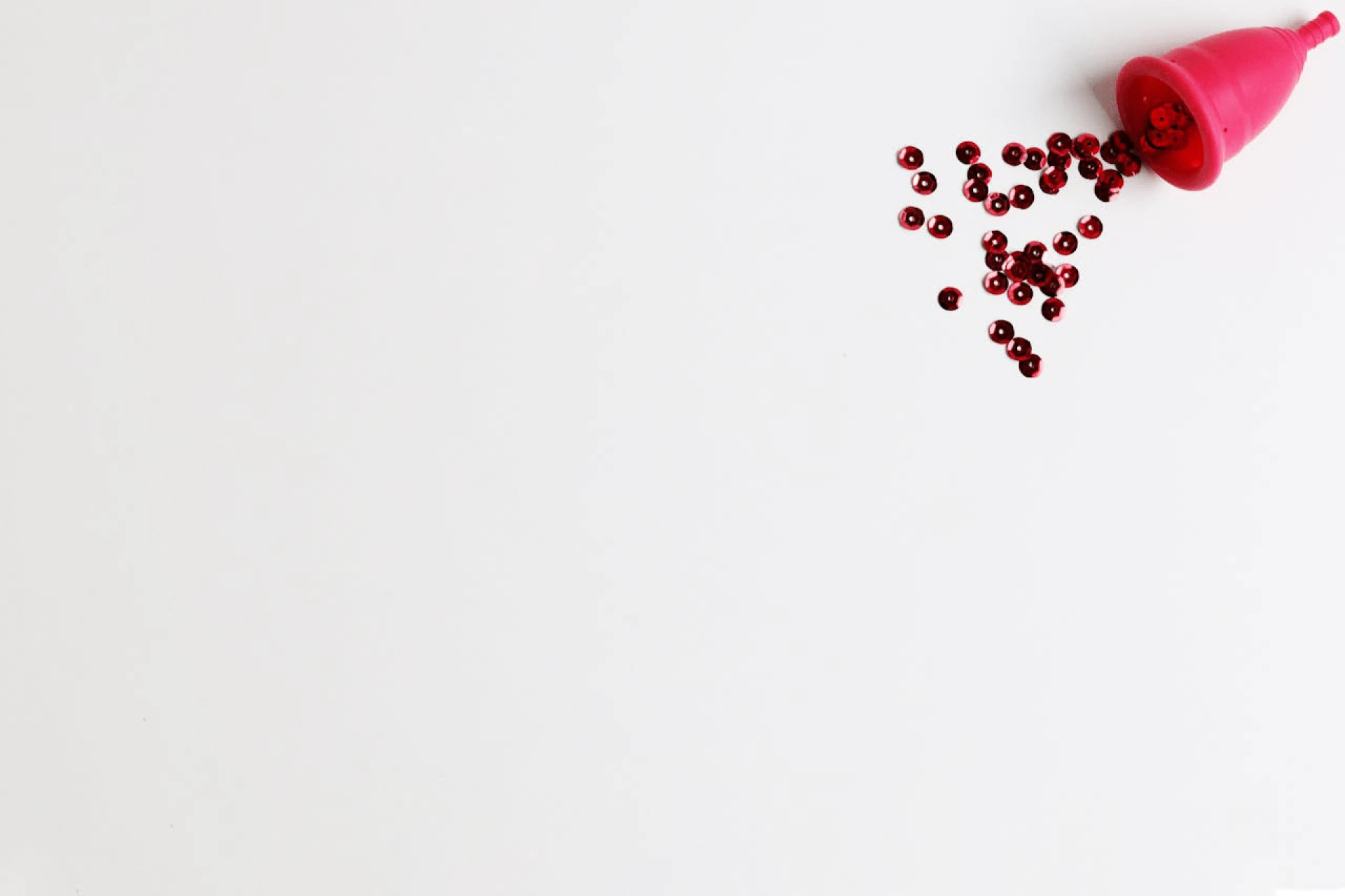

Menstruation is a normal procedure and an indicator of reproductive health, but worldwide, most households view it as completely private, forbidden, and shameful. Girls’ lives are upended by menstruation because they are unable to sit or walk comfortably. They experience constant worry and feel embarrassed of their innate flow.
Here are a few stories of how girls overcame the stigma around periods:
A Journey of Acceptance: Anya\'s Story
I grew up in a conservative household in India, where menstruation was shrouded in secrecy and shame. From a young age, I was taught that my period was something dirty, a notion reinforced by being forbidden from entering the kitchen or participating in religious activities during my cycle. The stigma was so ingrained that I found it difficult to even talk about my period with friends.
When I moved to the US for college, I encountered a radically different environment. My new friends discussed menstruation openly, without a hint of embarrassment. This cultural shift was jarring but also liberating. I realized that the shame I had internalized was not universal but a product of my upbringing.
My turning point came during a women’s health workshop organized by my college. Here, I learned about the biological aspects of menstruation and the global efforts to combat menstrual stigma. Inspired, I began to share my experiences and the cultural taboos I had faced. My openness sparked discussions among my peers and helped dismantle some of the myths surrounding menstruation.
Saving Education: Fridah’s Silent Plea
I was 16 years old, studying at Ngurunit Primary School, and I was terrified when I had My first period. I didn’t know what was going on with my body and feared I had damaged myself. I thought I was going to die since I saw so much blood. I was so terrified that I inserted cotton and pieces of cloth inside my body to halt the bleeding. I was so scared that I couldn’t even talk about it to my mother. I was afraid that blood would seep out and expose me to my classmates’ mockery, so I spent the next day at school in the restroom.
Rather than focusing on my coursework, I was making sure that I hadn’t soiled my uniform. It was the school’s headteacher who noticed my and other girls’ absences and decided to do something about it. She contacted Kenya Drylands Education Funds (KDEF) about their menstrual hygiene awareness campaign and explained the situation to them.
In order to maintain girls’ education and dignity, KDEF works with various communities in dry regions to increase access to water and bathrooms at home and school. As part of its program, KDEF provides menstrual hygiene goods, such as soap, knickers, and reusable sanitary pads. Additionally, KDEF provides elementary school girls who are menstruating with education on managing menstrual hygiene.
Breaking the Silence: Sara’s Path
My battle with the stigma around menstruation began in my workplace. As a junior employee in a male-dominated tech company, I often felt isolated and unable to discuss my menstrual health openly. The company had no policies in place to support women during their menstrual cycles, and any mention of periods was met with dismissiveness.
I decided to take a stand after a particularly challenging period where severe cramps impacted my work performance. I approached HR with a proposal to implement menstrual leave and provide sanitary products in the restrooms. My proposal was initially met with skepticism, with some colleagues suggesting I was asking for special treatment.
Undeterred, I gathered data and case studies from companies worldwide that had successfully implemented similar policies. I also organized informal discussions with my female colleagues to build a collective voice. The turning point came when I shared my personal struggles and how the lack of support affected her productivity and well-being.
My efforts led to my proposal’s approval. Moreover, it opened up a broader conversation about women’s health in the company, leading to more inclusive policies. My advocacy not only improved my work environment but also set a precedent for other organizations to follow.
Swimming for the First Time: Maria’s Uncomfortable Experience
After a school day, I was at home when I got my first period. I was a little startled when I realized it had happened. It was unsettling for me because I had no idea what to anticipate. My mom was my savior as she helped me with pads. Come to think of it, this was the only reason I told her. I am not sure why, but telling her made me anxious.
I was planning to go swimming the weekend of my first period, and the thought of using a tampon scared the heck out of me. Thanks to a YouTube video, I learned how to insert a tampon. I found ways to deal with getting my period, even if I didn\'t swim. It just took a little while to realize that every girl experiences it at some point.
First Period PE: Daniel’s Shame
I was in sixth grade when I had my first period. The most embarrassing thing was that it happened during PE. I felt ashamed because I was the only one among my girlfriends to get it. I was terrified and bewildered because all the other girls had mentioned that they hadn’t gotten theirs.
For them, this was something new because no one got their periods so early. I didn’t tell anyone in the end, not even my mother. That was a grave error. My 7-day period quickly became quite unhealthy since I didn’t know which items to use and how. As a result, I didn’t take good care of myself. Speaking with someone you TRUST is the best course of action at a time like this. And no matter how late or early it happens, every girl experiences it, so you shouldn’t feel ashamed!
Empowering Women Everywhere
Join hands with the Utpat Foundation to help girls overcome the stigma around periods. Our menstrual health awareness projects encourage mothers to talk to their preteens about menstruation. Visit our website and listen to our podcasts to break the taboo silence.
Author’s Bio
Dr. Natalie Johnson, a renowned women’s health specialist, has dedicated her career to advancing the well-being of women through comprehensive medical care. Her groundbreaking research and passionate advocacy on matters such as sanitary napkins have helped many girls through non-profit foundations.
Sign in to leave a comment.