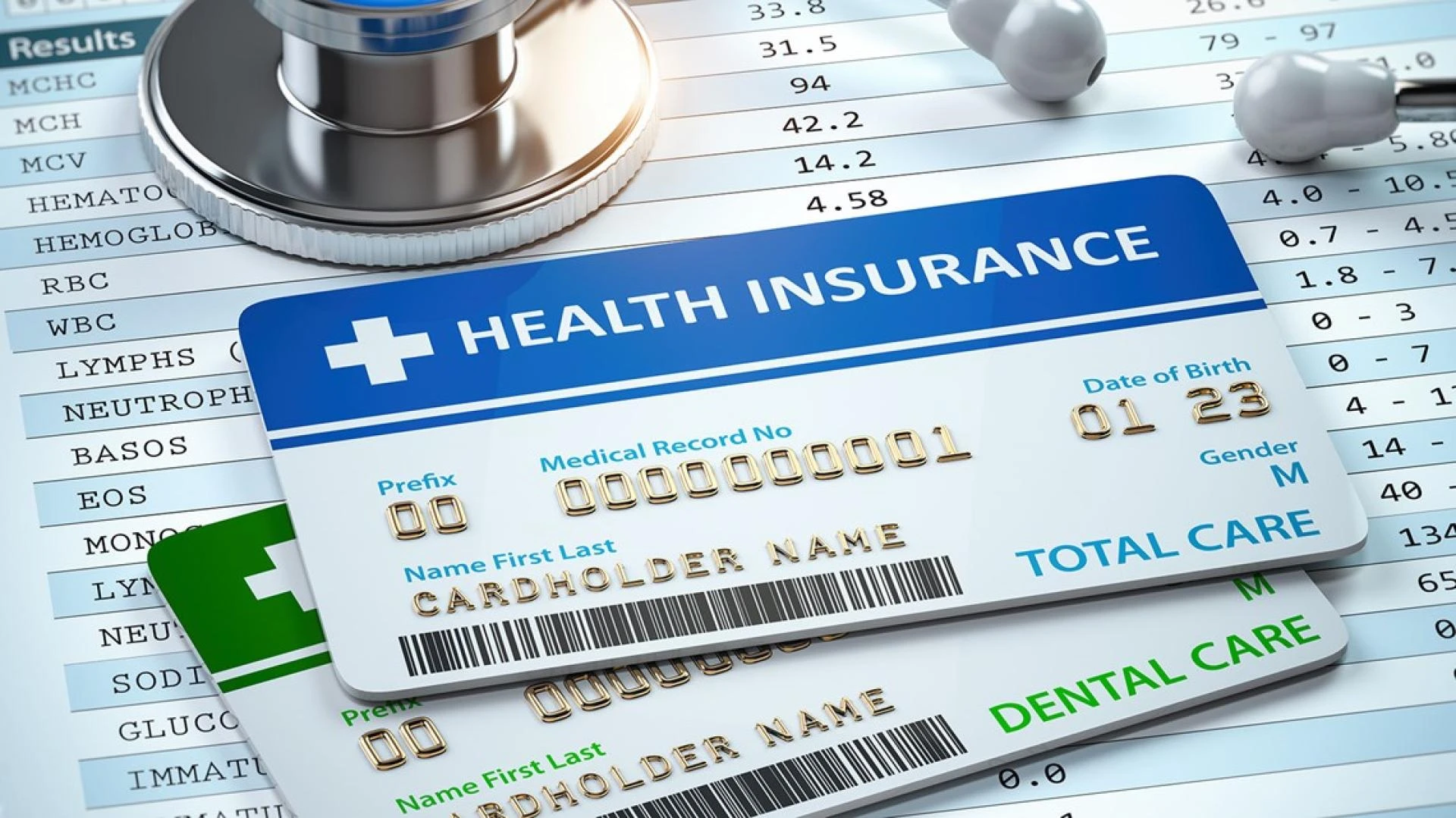

Health insurance is an essential part of financial planning, especially for individuals who do not have access to employer-sponsored plans. However, finding cheap health insurance for individuals can seem overwhelming due to the many options available and the varying costs. This article will provide a comprehensive guide to understanding, choosing, and benefiting from affordable health insurance plans tailored for individuals.
What Is Health Insurance for Individuals?
Health insurance for individuals is a type of coverage purchased independently by a person rather than being provided by an employer. These plans help cover medical expenses, including doctor visits, prescription medications, hospital stays, and preventive care. The goal of securing cheap health insurance for individuals is to ensure adequate medical protection without breaking the bank.
Benefits of Cheap Health Insurance for Individuals
Finding affordable individual health insurance has several advantages:
- Financial Security
- It helps protect your savings by covering costly medical bills for unexpected illnesses or accidents.
- Access to Preventive Care
- Affordable plans often include free preventive services, such as vaccinations, screenings, and check-ups, which help catch health issues early.
- Customization Options
- Many individual health insurance plans allow you to customize coverage to suit your specific needs.
- Peace of Mind
- Knowing you have access to medical care whenever required reduces stress and ensures you're prepared for health emergencies.
How to Find Cheap Health Insurance for Individuals
Here are some practical steps to find affordable individual health insurance:
1. Explore Government Programs
- Medicaid: If your income falls below a certain level, you may qualify for Medicaid, which provides free or low-cost coverage.
- Health Insurance Marketplace: Subsidies are available through government marketplaces, reducing premiums for eligible individuals.
2. Compare Plans Online
Use comparison tools to review various policies side by side. Look at premium costs, coverage benefits, deductibles, and out-of-pocket limits.
3. Consider High-Deductible Health Plans (HDHPs)
HDHPs have lower monthly premiums but higher deductibles. They pair well with Health Savings Accounts (HSAs), which allow you to save pre-tax money for medical expenses.
4. Join a Health-Sharing Program
Some organizations offer health-sharing plans, which pool member contributions to cover healthcare costs. These can be a cheaper alternative to traditional insurance.
5. Negotiate with Insurers
Contact insurance companies directly to inquire about discounts or special plans for individuals.
Types of Plans for Individuals
When looking for cheap health insurance for individuals, consider these common plan types:
1. Catastrophic Plans
Designed for young, healthy individuals, these plans offer low premiums but high deductibles. They cover emergency care and some preventive services.
2. Health Maintenance Organization (HMO) Plans
HMOs are cost-effective and require you to use a network of doctors and hospitals. You’ll need a referral to see specialists.
3. Preferred Provider Organization (PPO) Plans
PPOs offer more flexibility, allowing you to see any doctor, even outside the network. However, premiums are generally higher.
4. Short-Term Health Insurance
These temporary plans are affordable and provide basic coverage for a limited period. They are ideal for people transitioning between jobs or other life changes.
Tips for Maximizing the Value of Cheap Health Insurance
To get the most out of cheap health insurance for individuals, follow these tips:
- Use In-Network Providers
- Stick to healthcare providers within your plan's network to minimize out-of-pocket costs.
- Take Advantage of Preventive Care
- Many plans include free preventive services. Regular screenings can save you money in the long run by preventing more serious health problems.
- Opt for Generic Medications
- Choose generic drugs instead of brand-name prescriptions to reduce costs.
- Maintain a Healthy Lifestyle
- Staying healthy reduces the need for frequent medical visits, helping you save on premiums and out-of-pocket expenses.
- Review Your Plan Annually
- Reassess your plan each year to ensure it still meets your needs and is cost-effective.
Disadvantages of Cheap Health Insurance for Individuals
While affordable health insurance provides many benefits, there are some downsides to consider:
- Limited Coverage
- Cheap plans may not cover certain treatments or medications, leaving you with additional costs.
- High Out-of-Pocket Costs
- Plans with low premiums often come with higher deductibles and co-pays, which can be burdensome during a medical emergency.
- Restricted Networks
- Some plans require you to use a limited network of healthcare providers, which might not include your preferred doctors or hospitals.
Who Should Consider Cheap Health Insurance for Individuals?
Cheap health insurance for individuals is ideal for:
- Freelancers and gig workers without employer-sponsored insurance.
- Young adults looking for basic coverage.
- Those in between jobs or awaiting Medicare eligibility.
- Low-income individuals seeking affordable healthcare options.
Conclusion
Finding cheap health insurance for individuals is not just about cutting costs; it’s about securing peace of mind and financial protection. By exploring government programs, comparing plans, and choosing the right type of coverage, individuals can access affordable health insurance tailored to their needs. While there are some limitations to inexpensive plans, the benefits of staying protected far outweigh the downsides. Take time to assess your options, and invest in a plan that aligns with your health and budget requirements.













Sign in to leave a comment.