
Data engineering services are key to the support of the companies having huge amounts of data, but picking the correct vendor requires a thorough checklist paying attention to security, scalability, and support. This whole process of evaluation guarantees that your data pipelines will be strong enough to withstand both growth and dangers. Companies excelling here deliver reliable data engineering services that drive informed decisions.
Security Checklist
Security forms the bedrock of data engineering services, protecting sensitive information from breaches.
Key Security Criteria
- Encryption Standards: Guaranteeing complete encryption for both stored and transmitted data through the use of strong algorithms like AES-256, will be the minimum standard for the service. The provider should give proof of compliance by periodic audits confirming that the standards of GDPR or HIPAA are being met.
- Access Controls: Look for role-based access control (RBAC) and zero-trust models, minimizing insider risks. Regular penetration testing and vulnerability scans are non-negotiable.
- Compliance Certifications: Demand SOC 2 Type II, ISO 27001, or PCI DSS certifications. Ask for recent audit reports to confirm ongoing adherence.
Red Flags to Avoid
- Weak multi-factor authentication or shared credentials.
- Lack of data masking in non-production environments.
- No incident response plan with defined SLAs for breach notifications.
Thorough security vetting prevents costly data leaks, as seen in rising cyber threats targeting data pipelines.
Scalability Checklist
Scalability keeps data engineering services agile as volumes explode, a must when you hire data engineers for long-term growth.
Core Scalability Metrics
- Horizontal Scaling Capabilities:Confirm the flexibility of horizontal scaling in cloud-natured setups like Kubernetes or serverless by checking the auto-scaling features. Test how systems manage 10x data growth via load simulations.
- Performance Benchmarks: At peak loads assess throughput (for example, records per second) and the time it took for each operation to be completed. Processing of The petabyte scale should be supported by streaming tools such as Apache Kafka.
- Cost Efficiency at Scale: Study pricing models-pay-as-you-go is a preferable one over fixed costs. Check for optimization tools reducing storage and compute waste by 30–50%.
Testing Scalability
- Conduct proof-of-concept (POC) trials using your actual datasets.
- Look at case studies where migration from on-prem to cloud was done without problems.
- Make sure to have fault tolerance with multi-region replication and 99.99% uptime SLAs.
The providers with strong scalability will make your infrastructure ready for digital expansion in the future.
Support Checklist
Reliable support turns data engineering services into a partnership, resolving issues swiftly.
Support Tiers to Demand
- 24/7 Availability: Enterprise plans should provide full-time support via phone, chat, and tickets, and the need for critical problems to be responded in less than 15 minutes is a must.
- Dedicated Account Management: Appoint a technical account manager (TAM) for active supervision and every three months’ analysis. This includes custom training for your team.
- Compliance Certifications: User can also expect comprehensive documentation, webinars, and a vibrant online community forum. Premium support should include root-cause analysis post-incident.
Measuring Support Quality
Vendors with established SLA that includes penalties ensuring minimal business disruption should be preferred.
Vendor Evaluation Process
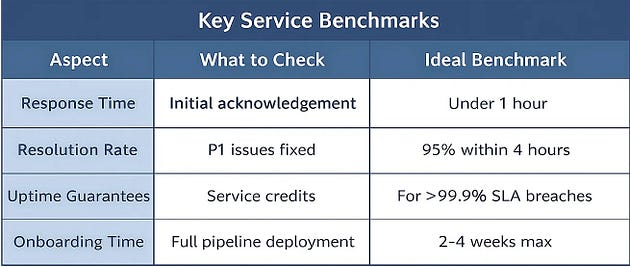
Follow a structured approach to assess data engineering services providers.
Step-by-Step Selection
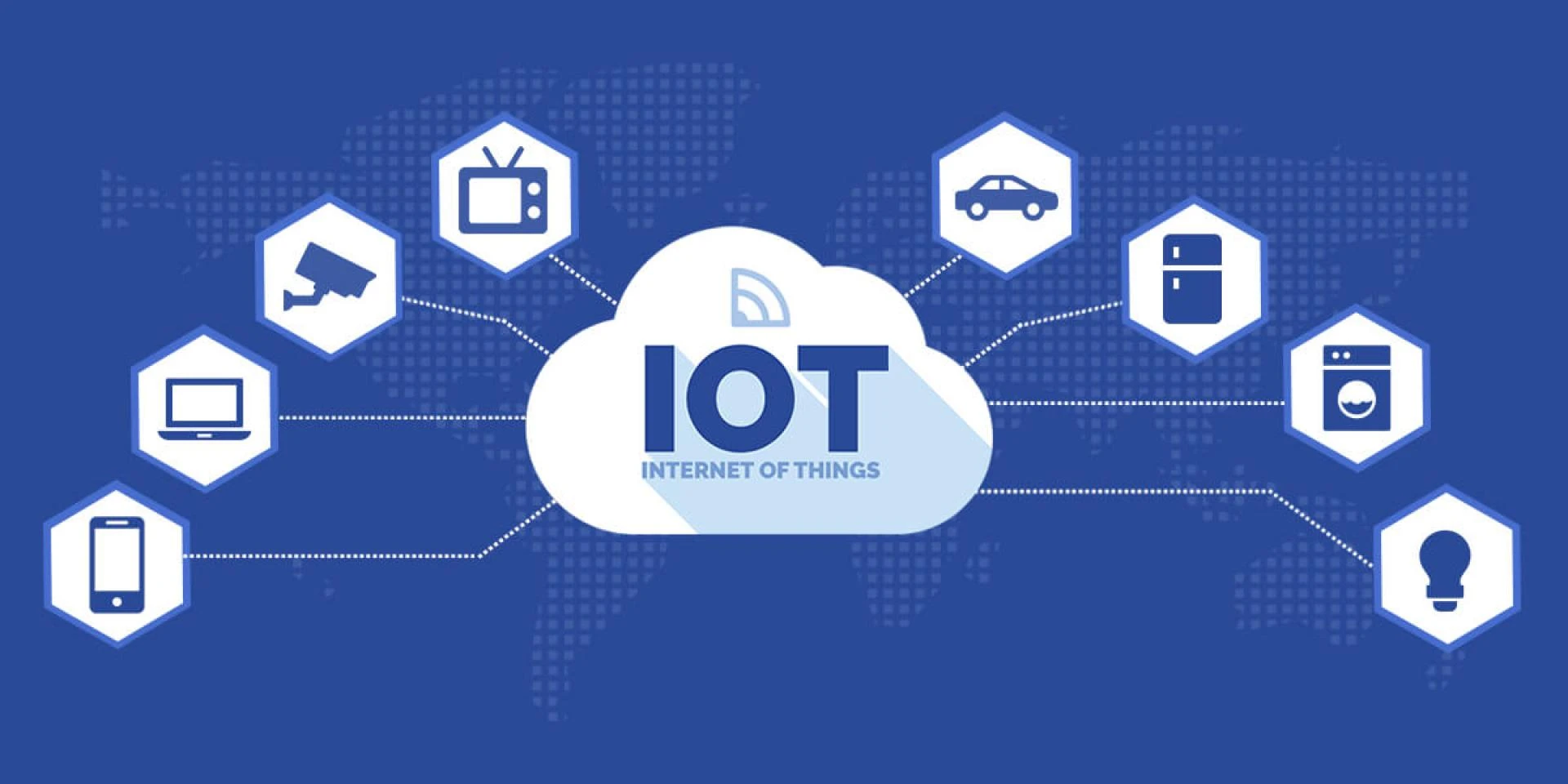
- Define Requirements: Create a visual representation of your data volume, sources (e.g., IoT, logs) and forecasts for increase in volume.
- Shortlist Candidates: Send out RFPs aimed at 5–10 companies with at least 4 years’ experience in data engineering services to select the best candidates.
- Conduct Demos and POCs: Simulate workloads; score on security scans, scale tests, and support simulations.
- Reference Checks: Speak to 3–5 clients on similar scale, probing real-world pain points.
- Contract Negotiation: Lock in escalations for security breaches and scalability guarantees.
Common Pitfalls
- Neglecting total cost of ownership (TCO), which consists of concealed migration fees among other things.
- Disregarding cultural fit — choose providers that are compatible with your technology stack (for instance, Snowflake, Databricks).
- Skipping exit strateies to avoid vendor lock-in.
This process typically yields a shortlist refined over 4–6 weeks.
|Also read: How to Measure the Business Impact of Your Data Engineering Investment
Real-World Case Studies
Leading firms showcase how strong checklists pay off in data engineering services.
- A retail giant with a focus on security and a provider cutting breach risks by 40% through automated compliance checks partnered together and at the same time managed to scale Black Friday traffic without any hassle.
- A fintech increased its data storage from terabytes to petabytes, and robust support was the reason for 99.99% uptime during regulatory audits.
- Healthcare facilities have accelerated their queries by 50% after moving to the cloud because of the adaptable infrastructures and the quick interventions of the technical account managers.
The above cases all point to the importance of proper evaluation in achieving ROI.
Final Recommendations
Make sure to use this checklist whenever you need data engineering services, hire data engineers, or set up a dedicated development team.
Review choices yearly to match evolving demands. Elite providers fuse ironclad security, boundless scalability, and responsive support for data-driven success.



Sign in to leave a comment.