
In 2024, developing an app for grocery delivery is a difficult but worthwhile endeavor. There has never been a better moment to enter the market, with consumer behavior continuing to trend towards online purchasing and the desire for convenience at an all-time high. This all-inclusive to-do list will walk you through the vital stages and things to think about when creating a successful grocery delivery app.
1. Understanding the Market and Target Audience
Market Research
Knowing the food delivery market is crucial before launching into development. A Statista analysis projects that the worldwide online grocery market will expand at a compound annual growth rate (CAGR) of 25.5% from 2020 to reach $1.1 trillion by 2027. Growing urbanization, hectic lives, and the COVID-19 pandemic which hastened the adoption of online grocery shopping are the main drivers of this expansion.
Identifying Your Target Audience
Decide who the software is intended for. Are families, senior citizens, or working professionals your target market? Knowing your user base will help you customize the functionality and interface of your app. According to a Nielsen report, Gen Z and millennials are the main users of online grocery delivery services USA because they value speed and convenience.
2. Defining Core Features
Must-Have Features
To compete in the crowded market, your grocery delivery app needs essential features that enhance user experience. These include:
- User Registration and Profiles: Allow users to create accounts and save their preferences for a personalized experience.
- Product Search and Categories: Implement a robust search function and organize products into intuitive categories.
- Shopping Cart and Checkout: Simplify the shopping process with an easy-to-navigate cart and a seamless checkout process.
- Payment Integration: Offer multiple payment options such as credit/debit cards, digital wallets, and cash on delivery.
- Order Tracking: Enable real-time tracking of orders from placement to delivery.
- Customer Support: Provide responsive support through chatbots or live chat to assist users with their queries.
Advanced Features
To stand out, consider integrating advanced features like:
- AI Recommendations: Use AI to suggest products based on user behavior and preferences.
- Voice Search: Allow users to search for products using voice commands.
- Loyalty Programs: Implement reward systems to retain customers and encourage repeat purchases.
- White Label Grocery Delivery App: Consider offering a white-label grocery solution that allows other businesses to use your app with their branding.
3. Choosing the Right Technology Stack
Selecting the appropriate technology stack is crucial for the app\'s performance, scalability, and security. Here’s a recommended stack for different components:
- Front-End: React Native or Flutter for cross-platform development.
- Back-End: Node.js or Django for server-side processing.
- Database: MongoDB or PostgreSQL for storing user and order data.
- Payment Gateway: Stripe, PayPal, or Braintree for secure transactions.
A mobile app development company in the USA can provide expertise in selecting and implementing the best technology stack for your needs.
4. Designing the User Interface
A user-friendly and visually appealing interface is critical for the success of your app. Focus on:
- Simplicity: Keep the design clean and intuitive.
- Consistency: Ensure a consistent look and feel across all screens.
- Accessibility: Design for accessibility to accommodate all users, including those with disabilities.
- Responsive Design: Ensure the app works seamlessly on different devices and screen sizes.
5. Developing the App
Development Phases
The development process typically involves several phases:
- Planning: Define the project scope, timeline, and budget.
- Design: Create wireframes and prototypes to visualize the app.
- Development: Write the code and build the app\'s features.
- Testing: Perform rigorous testing to identify and fix bugs.
- Deployment: Launch the app on app stores.
Choosing a Development Approach
You can choose between:
- Native Development: Building separate apps for iOS and Android for optimal performance.
- Cross-Platform Development: Using frameworks like React Native or Flutter to build a single app for both platforms, reducing development time and cost.
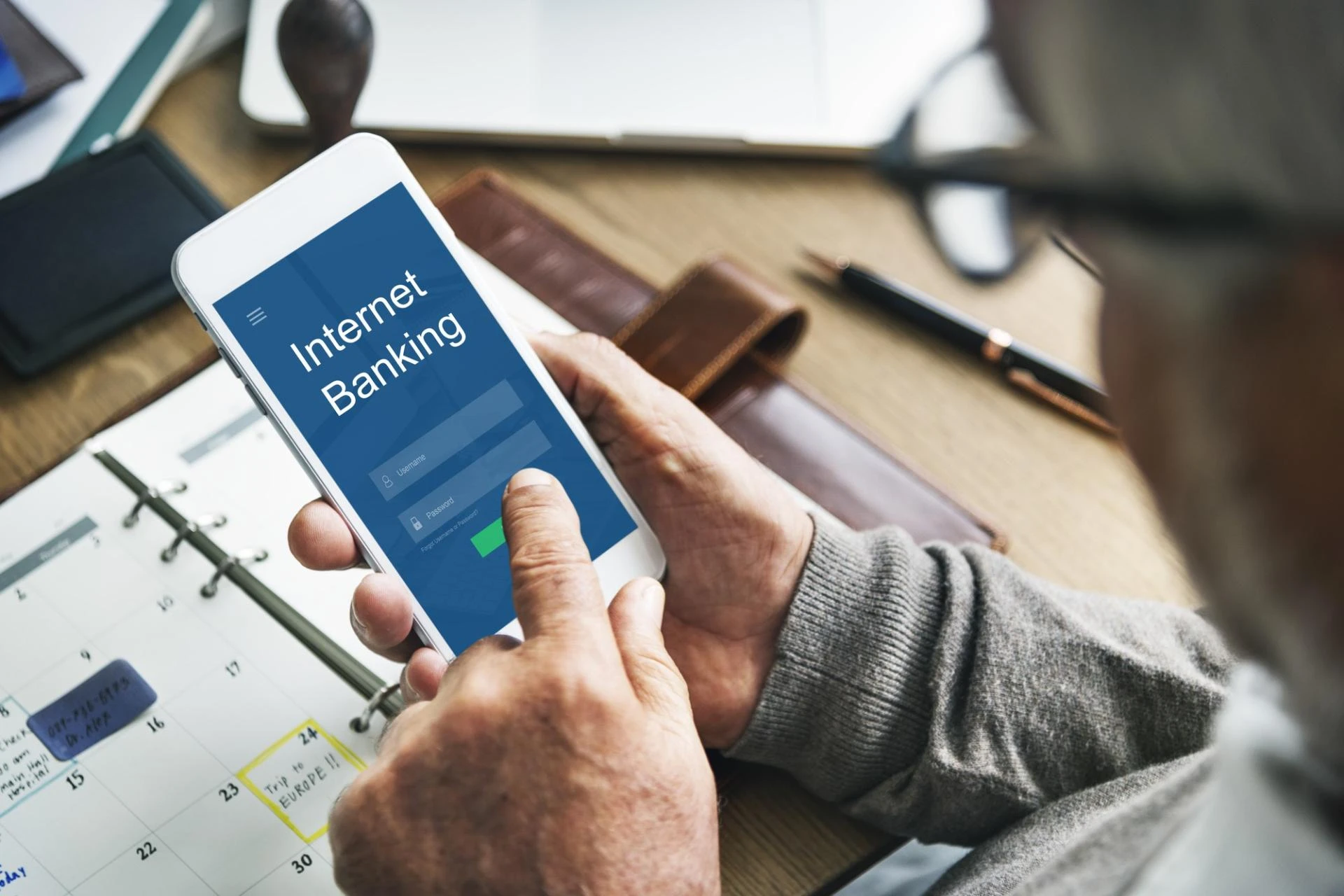
6. Implementing Security Measures
Security is paramount in grocery delivery apps, given the sensitive user data involved. Ensure your app adheres to security best practices:
- Data Encryption: Encrypt user data both in transit and at rest.
- Secure Authentication: Implement secure login methods, such as two-factor authentication.
- Regular Audits: Conduct regular security audits to identify and address vulnerabilities.
7. Integrating Payment Gateways
A safe and easy way to make payments is necessary. Select reputable payment gateways that accept a variety of payment options, such as PayPal or Stripe. It is imperative to adhere to PCI DSS requirements in order to safeguard user payment information.
8. Testing the App
Types of Testing
Perform various types of testing to ensure your app is robust and bug-free:
- Functional Testing: Verify that all features work as intended.
- Performance Testing: Ensure the app performs well under different conditions.
- Usability Testing: Evaluate the app\'s ease of use.
- Security Testing: Test for potential security vulnerabilities.
User Feedback
Gather feedback from beta testers to identify any issues and areas for improvement. Iteratively refine the app based on this feedback.
9. Launching the App
Pre-Launch Preparation
Prepare for a successful launch by:
- Creating a Marketing Plan: Develop a strategy to promote your app through social media, influencers, and other channels.
- Setting Up Analytics: Integrate analytics tools to track user behavior and app performance.
- Submitting to App Stores: Follow the guidelines for submitting your app to the Apple App Store and Google Play Store.
Post-Launch Activities
After launch, focus on:
- Monitoring Performance: Use analytics to monitor app performance and user engagement.
- Collecting Feedback: Encourage users to leave reviews and provide feedback.
- Regular Updates: Continuously improve the app by releasing regular updates with new features and bug fixes.
10. Scaling Your Business
Expanding Your Reach
Once your app gains traction, consider expanding your reach by:
- Partnering with More Retailers: Increase your product offerings by partnering with more grocery stores.
- Entering New Markets: Expand to new cities or regions to grow your user base.
- Enhancing Features: Continuously innovate and add new features to stay competitive.
Leveraging Analytics
Use data analytics to gain insights into user behavior, preferences, and trends. This information can help you make informed decisions about product offerings, marketing strategies, and feature development.
Conclusion
In 2024, creating a grocery delivery app will involve thorough planning, carrying out the strategy, and continuously improving it. You may develop an app that fulfills the demands of your target market, stands out in a crowded market, and promotes business expansion by adhering to this comprehensive checklist. Whether you want to create a custom on-demand grocery app or a white-label grocery delivery app, working with a reputable US mobile app development company can offer the know-how and assistance required to make your idea a reality. Accept the grocery shopping of the future and bring convenience to your clients\' doorsteps.









Sign in to leave a comment.