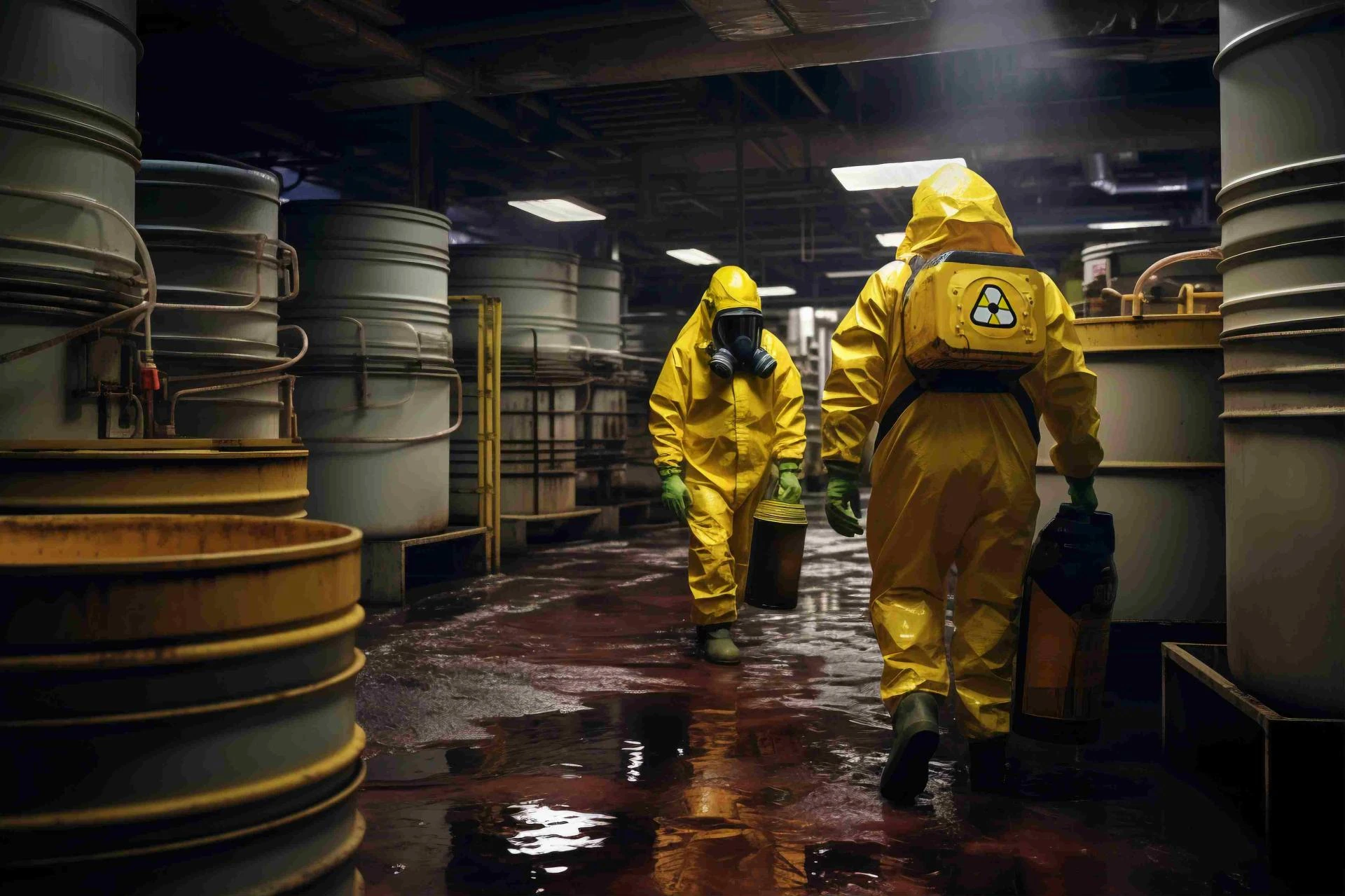

Is your warehouse ready for the 2025 changes in chemical packaging regulations? Keeping abreast of changing safety regulations is essential for anyone working in manufacturing, logistics, or warehouse operations. This is not only for legal reasons, but also to guarantee the safe handling, storage, and transportation of hazardous materials.
Everything you need to know about 2025 chemical packaging warehouse compliance will be covered in this guide. We can help with everything from workforce training and green initiatives to safety procedures and regulatory updates.
Understanding the 2025 Regulatory Landscape
OSHA & HAZMAT Compliance Updates
OSHA has updated its regulations about worker safety, labeling, and chemical storage. These changes have an impact on how you store chemicals that are reactive, toxic, or flammable.
Important OSHA updates for 2025 include:
- Employee re-certification for HAZMAT handling is required annually.
- Improved PPE (Personal Protective Equipment) and spill control regulations
- Procedures for reporting incidents involving chemicals in real time
DOT & UN Packaging Guidelines
To lower the possibility of leaks, explosions, or contamination while in transit, the United Nations and the Department of Transportation (DOT) have revised their packaging regulations.
Logistics companies now need to:
- Make use of UN-certified containers that pass more stringent performance evaluations.
- Label packages using the most recent ANSI and GHS guidelines.
- Ensure that all transported hazardous materials have up-to-date documentation.
Environmental and Sustainability Compliance
EPA Waste Management Requirements
The EPA is enforcing more stringent regulations for waste segregation and emissions control in response to growing pressure on environmental responsibility.
To comply, warehouses need to:
- Put chemical runoff containment systems in place.
- Keep track of and report every waste disposal technique.
- Reduce the emissions caused by packaging, disposal, and heating processes.
Green Packaging Trends
There will be a significant push toward environmentally friendly chemical packaging methods by 2025. Using environmentally friendly packaging options is encouraged in warehouses and even mandated in some states.
Think about adopting:
- Intermediate Bulk Containers (IBCs) or reusable drums
- Biodegradable materials for padding and containment
- Products for low-impact cleaning and upkeep
Facility Infrastructure & Safety Requirements
Fire & Spill Containment Systems
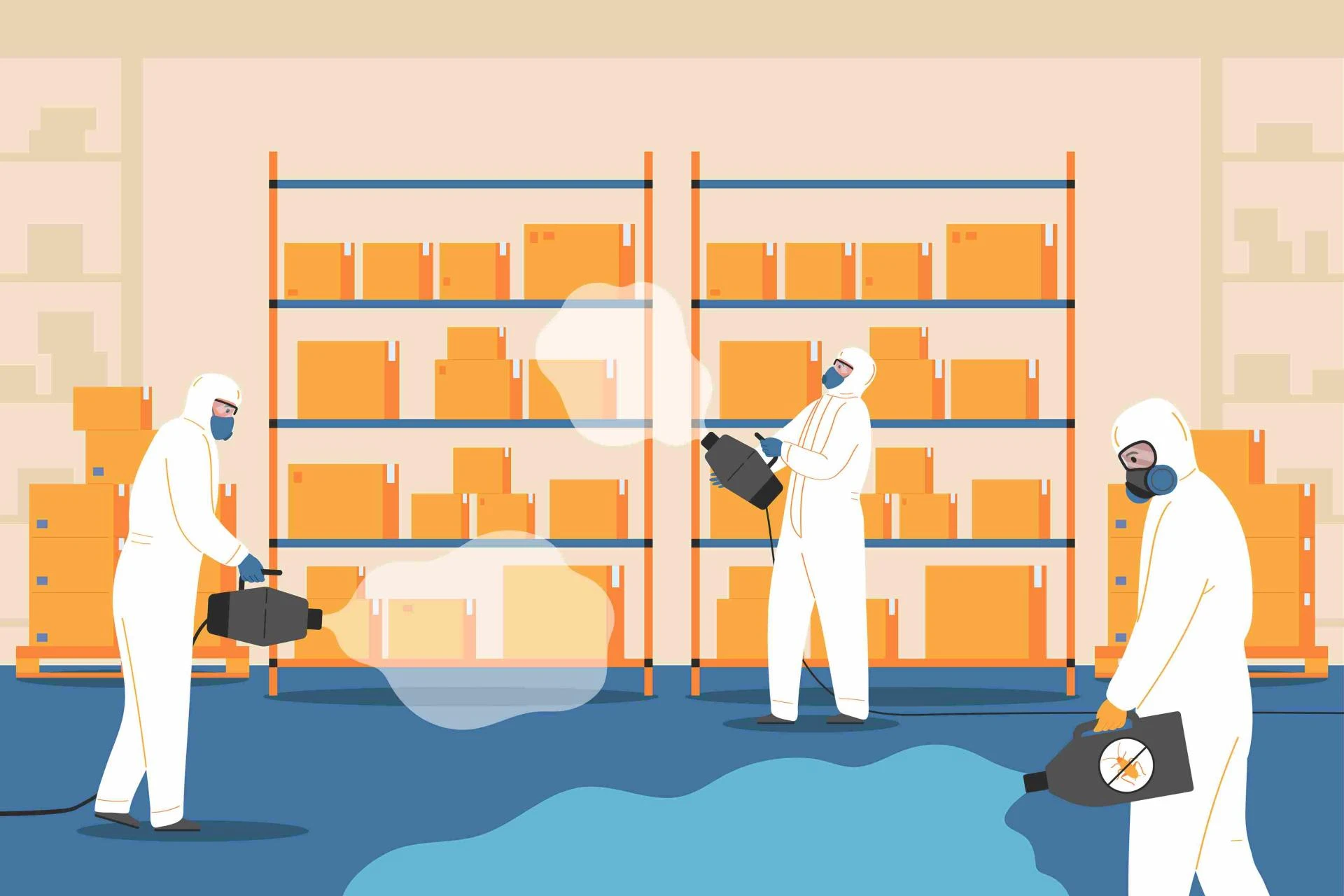
The safety requirements for warehouse design are growing along with the risks associated with chemicals. 2025 codes require:
- Superior fire suppression systems (foam, sprinklers)
- For areas used for bulk storage, secondary containment barriers
- Improved ventilation for chemicals that burn
Zoning, Signage & Access
More accessible layouts that put emergency preparedness first are now required by regulations.
Make sure your facility has:
- Emergency exits that are easily accessible and marked
- Hazard signs that adhere to OSHA regulations in all storage areas
- Secure pallet racking and non-slip flooring for drum storage
Packaging Materials & Labelling Standards
UN-Certified Containers
Standard packaging is no longer sufficient for hazardous chemicals. UN-approved containers that are specifically rated for the risk profile of your product are required.
Common packaging choices for 2025:
- UN-certified steel or poly drums
- IBC totes are made for materials that corrode
- Tamper-evident locks and leak-proof sealed containers
Updated Labelling Protocols
One of the most common compliance violations is incorrect labelling. The 2025 GHS update highlights:
- Hazard labels that are both bilingual and easily readable
- Digital and on-site access to SDS (Safety Data Sheets)
- Digital tracking for batch codes, lot numbers, and expiration dates
Operational Best Practices for Compliance
Safe Handling & Loading Procedures
The most recent handling protocols must be followed in daily operations. This covers the loading, storing, and transportation of materials.
Included on your checklist should be:
- All warehouse employees should wear the appropriate PPE
- New forklift safety instruction
- Chemical compatibility-based safe stacking and segregation
Recordkeeping & Audit Readiness
When it comes to demonstrating compliance, documentation is crucial. In 2025, officials anticipate:
- All incoming and outgoing chemical digital records
- Accessible audit logs for three to five years
- Reports of incidents filed within twenty-four hours of any exposure or spill
Tech-Driven Compliance: Automation & Monitoring
Warehouse Management Systems (WMS)
Compliance tracking can be significantly simplified with the help of contemporary WMS platforms.
Features that are essential:
- Updates to inventory in real time
- Recall and expiration notifications
- Integration with ERP platforms and SDS databases
IoT & Smart Sensors
Sensors are now essential to safety; they are no longer optional. Leading chemical storage facilities are now implementing:
- Gas-leak sensors, temperature, and humidity
- RFID-powered hazardous material tracking
- Automated notifications to avoid fire risks or chemical deterioration
Training & Workforce Compliance
Certification & Re-training
The first line of defence against mishaps and infractions is employee education. Regarding 2025:
- Employees need to renew their HAZMAT handling certification every year.
- Supervisors ought to take refresher courses on compliance.
- Third-party safety audits are strongly recommended.
Building a Safety-First Culture
A proactive safety environment should be promoted in warehouses by:
- Toolbox talks every week
- Safety check-ins led by peers
- Rewards and recognition for adherence to safety regulations
Preparing for Inspections
Third-party and federal inspections are anticipated to increase in 2025 due to heightened oversight.
How to remain prepared for an inspection:
- Keep a compliance calendar with dates for self-audits.
- Arrange the training logs, licenses, and certifications in a digital binder.
Conclusion: Get Ahead of Chemical Compliance in 2025
The landscape of chemical packaging warehouse compliance is rapidly evolving. 2025 establishes new guidelines for logistics safety, ranging from sustainable packaging and labelling regulations to automated monitoring and training requirements.
Your warehouse can maintain compliance—and competitiveness—by implementing smart technology, retraining employees, and updating your facility on a proactive basis. Act now rather than waiting for fines or inspections.






















Sign in to leave a comment.