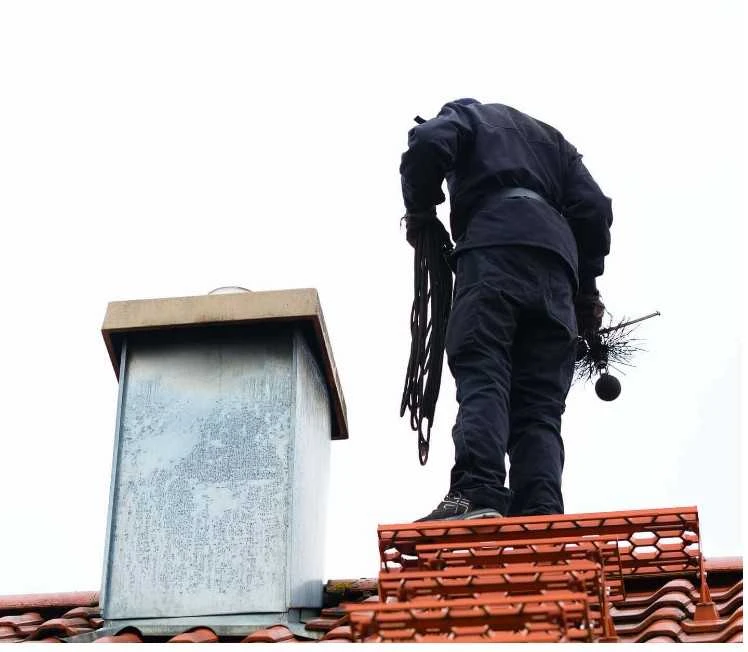
For centuries, the chimney sweep has played a vital—though often overlooked—role in maintaining household safety. While the image of a soot-covered man with a brush may conjure Dickensian nostalgia, chimney sweeping remains a modern necessity. As long as people burn wood, coal, or oil in fireplaces or stoves, there will be a need for professional chimney maintenance.
A Brief History of Chimney Sweeps
The origins of chimney sweeping date back to the 16th century, when fireplaces and chimneys became common features in European homes. As cities grew and buildings became taller, flues (the internal passages in chimneys) also became longer and more complex—leading to the need for regular cleaning.
In the 18th and 19th centuries, especially in England, chimney sweeps were often young boys—some as young as six—who were forced to climb inside narrow flues to scrape off soot and creosote. These children faced terrible working conditions, including suffocation risks, severe burns, and long-term health effects. Public outrage eventually led to reforms, including the Chimney Sweepers Act of 1875 in the UK, which banned the use of child labor in the industry.
The Modern Chimney Sweep
Today, chimney sweeping is a respected, regulated trade. Modern chimney sweeps use advanced tools such as:
- Rotary brushes
- Vacuum systems
- CCTV inspection cameras
- Moisture meters and creosote analyzers
Professional sweeps are trained to clean and inspect chimneys for blockages, damage, and potential fire hazards. They may also perform maintenance on fireplaces, flues, liners, and chimney caps.
In the United States, many chimney sweeps are certified by the Chimney Safety Institute of America (CSIA), ensuring they meet industry standards for safety and effectiveness.
Why Chimney Sweeping Is Important
A clean chimney isn't just about efficiency—it’s about life safety. Here are the key reasons why homeowners should schedule regular chimney inspections and cleanings:
1. Fire Prevention
Creosote, a byproduct of burning wood, accumulates inside chimney walls. It is highly flammable and is a leading cause of chimney fires. Regular sweeping removes this buildup.
2. Carbon Monoxide Safety
Blockages in the flue—such as nests, soot, or debris—can prevent harmful gases like carbon monoxide from venting outside. A sweep ensures your system is properly ventilated.
3. Improved Efficiency
A clean chimney drafts more efficiently, which means your fireplace or stove burns cleaner and uses less fuel.
4. Structural Integrity
Chimney sweeps can spot early signs of deterioration—like cracked flue tiles or water damage—before they become major (and expensive) issues.
How Often Should You Have Your Chimney Cleaned?
The National Fire Protection Association (NFPA) recommends that chimneys be inspected annually and cleaned as needed. For homes that burn wood frequently, especially during cold seasons, this may mean sweeping once or twice a year.
Gas-burning systems usually produce fewer byproducts, but they still need annual inspections to check for blockages, corrosion, or structural issues.
Choosing a Chimney Sweep
When hiring a chimney sweep, look for the following:
- Certification (e.g., CSIA or equivalent in your country)
- Insurance and proper licensing
- Positive reviews and references
- Transparent pricing and service explanations
Avoid door-to-door scams or unusually low pricing—reputable sweeps usually offer written reports and detailed inspections.
The Chimney Sweep in Culture
Thanks to literature and folklore, chimney sweeps have earned a bit of mythic charm. In many cultures, seeing a chimney sweep is considered good luck—a tradition that dates back to the Middle Ages. The profession has been immortalized in works like Mary Poppins, where Dick Van Dyke’s cheerful sweep helped spark romanticized notions of the trade.
Final Thoughts
The chimney sweep may seem like a relic of the past, but their work remains critical in today’s world. From fire prevention to energy efficiency, their expertise helps protect homes, families, and properties.
If your home uses a fireplace or stove, don’t overlook the flue—schedule a chimney inspection and cleaning with a qualified professional. It’s not just good maintenance; it could save your life.




Sign in to leave a comment.