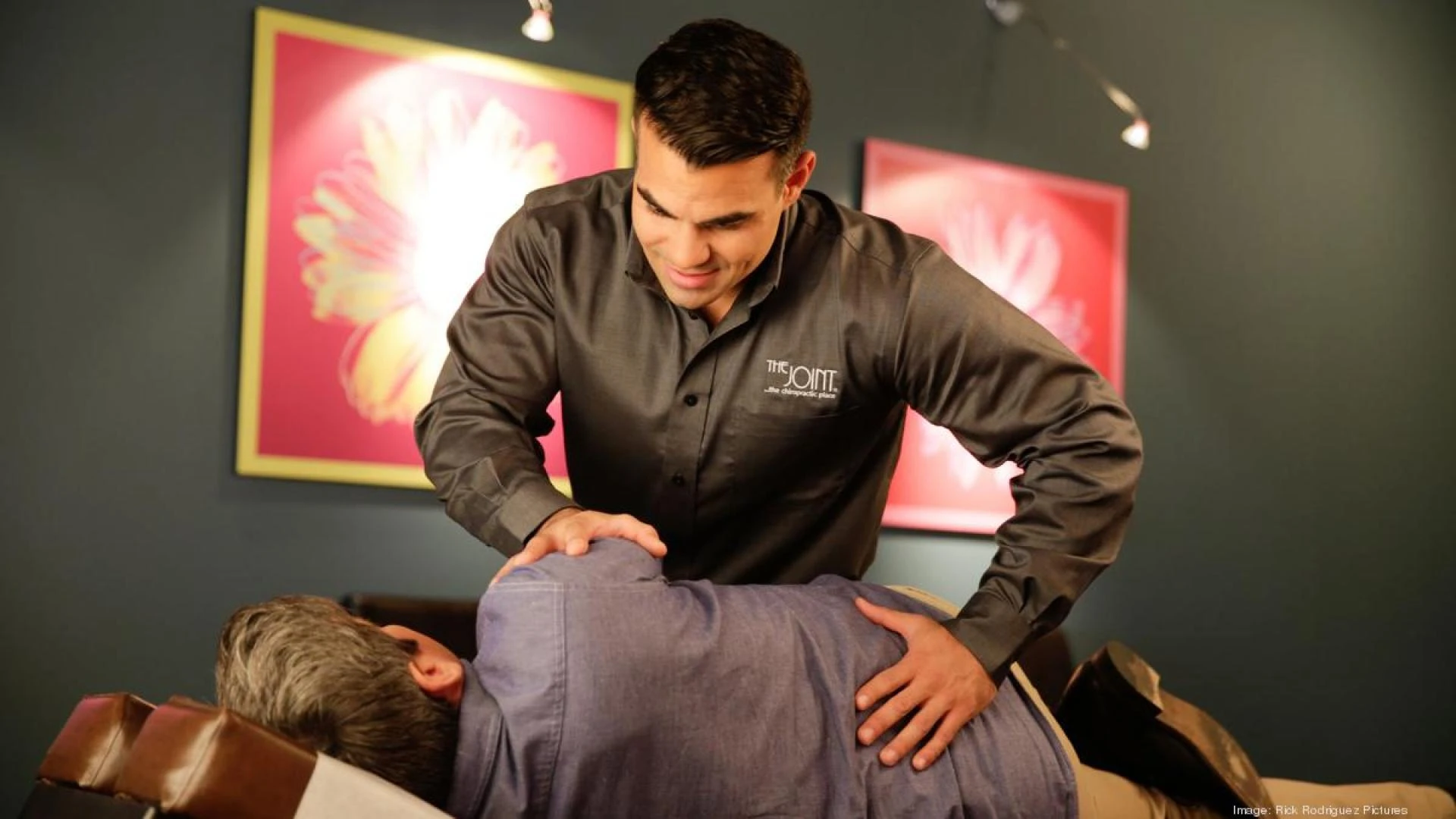

Chiropractic care is gaining attention as a potential therapy to aid in healing trauma, including post-traumatic stress disorder (PTSD). While it's essential to acknowledge that chiropractic care is not a primary treatment for PTSD, it can complement conventional therapeutic approaches by addressing physical manifestations of trauma. Traumatic experiences can lead to muscle tension, misalignment in the spine, and heightened stress responses. Chiropractic adjustments aim to restore spinal alignment and reduce nerve interference, which may help alleviate physical tension and promote relaxation. This, in turn, can contribute to a reduction in stress and anxiety, which are common symptoms of PTSD.
Furthermore, chiropractors often incorporate holistic wellness into their approach, offering lifestyle guidance that can be beneficial for those dealing with PTSD. Recommendations may include nutrition advice, exercise routines, and stress management techniques. By addressing these aspects, chiropractic care can help individuals build a foundation for overall well-being and emotional resilience, which can be valuable in the process of healing from trauma. However, individuals with PTSD should always work closely with mental health professionals who specialize in trauma treatment to develop a comprehensive and personalized treatment plan that addresses both the emotional and physical aspects of their condition.
Chiropractic Care as a Holistic Approach to Healing Trauma
Chiropractic care offers a holistic approach to healing trauma by recognizing the interconnectedness of physical and emotional well-being. Traumatic experiences can manifest as tension, stress, and even musculoskeletal imbalances in the body. Chiropractors focus on restoring spinal alignment and reducing nerve interference, which can help alleviate physical tension and discomfort associated with trauma. By improving the body's structural integrity, chiropractic adjustments can promote relaxation and support the body's natural healing mechanisms. This reduction in physical tension often translates to emotional relief, as patients report feeling less stressed and more emotionally grounded after chiropractic care.
Moreover, chiropractic care incorporates lifestyle recommendations that complement trauma recovery. Chiropractors may provide guidance on nutrition, exercise, and stress management techniques, all of which are vital components of a holistic healing process. A balanced diet, regular physical activity, and effective stress-coping strategies can contribute to emotional resilience and overall well-being, aiding in recovery from trauma. While chiropractic care alone is not a substitute for trauma-specific therapies and counseling, it can be a valuable part of a comprehensive approach to healing trauma, addressing both the physical and emotional aspects of recovery. Individuals who have experienced trauma should work closely with mental health professionals to develop a well-rounded treatment plan that meets their specific needs.
Spinal Health and the Mind-Body Connection in PTSD
The relationship between spinal health and the mind-body connection in post-traumatic stress disorder (PTSD) is a topic of growing interest in the field of holistic healthcare. Traumatic experiences can have a profound impact on both the mind and the body. People with PTSD often experience heightened stress responses, chronic muscle tension, and altered posture, which can result from the body's attempt to protect itself during traumatic events. These physical manifestations can further exacerbate emotional distress and contribute to the overall burden of the disorder. Chiropractic care aims to address these physical symptoms by focusing on spinal health and alignment. Chiropractors use adjustments to correct misalignments in the spine, reducing nerve interference and promoting better communication between the brain and body. This can help alleviate muscle tension and support the body's natural healing processes, potentially leading to improved emotional well-being in individuals with PTSD.
I’m sure you’re looking for a chiropractor and wondering which one will be the best for you. I’m here to tell you from personal experience that The Joint Chiropractic - Trussville is the best. They offer a $29 New Patient Special for all first-time patients, which includes a consultation, exam, and adjustment. They’re open on nights and weekends, so they’re convenient and affordable. Plus, their staff is very cooperative! Doctors have a good and open approach to patients, so the experience of being in is a pleasure for patients. Their staff is available to provide the necessary help you need. You can book an appointment, but they also accommodate walk-ins. And one more thing: you don’t need to have insurance to get your treatment done.
Moreover, the mind-body connection plays a crucial role in PTSD management. Trauma can be stored in the body, leading to somatic symptoms and emotional triggers. Chiropractic care recognizes this connection and aims to create a positive feedback loop between the mind and body. By restoring spinal alignment and reducing physical discomfort, individuals may experience reduced stress and anxiety, which, in turn, can positively impact their emotional state. While chiropractic care should not replace evidence-based therapeutic approaches for PTSD, it can be a valuable complementary therapy that addresses the physical manifestations of trauma, ultimately supporting a more holistic approach to healing and recovery for individuals with PTSD.
Chiropractic Adjustments for PTSD Management
Chiropractic adjustments are emerging as a potential adjunctive therapy for managing post-traumatic stress disorder (PTSD). While it's crucial to acknowledge that chiropractic care is not a standalone treatment for PTSD, it can offer support by addressing physical manifestations of trauma and promoting overall well-being. Traumatic experiences often lead to chronic muscle tension, misalignments in the spine, and heightened stress responses. Chiropractors focus on realigning the spine, reducing nerve interference, and facilitating better communication between the brain and body. This may help alleviate physical discomfort and tension, which are commonly associated with PTSD. Some individuals with PTSD who have received chiropractic care have reported reduced stress levels, improved sleep quality, and an enhanced sense of relaxation.
Furthermore, chiropractic care takes a holistic approach to health, considering lifestyle factors that can impact mental well-being. Chiropractors often provide guidance on nutrition, exercise, stress management, and relaxation techniques, which can complement traditional therapeutic approaches for PTSD. A balanced diet, regular physical activity, and effective stress-coping strategies are integral components of emotional resilience and can support the overall recovery process. While chiropractic adjustments can be a valuable part of a comprehensive approach to managing PTSD, individuals dealing with this condition should work closely with mental health professionals who specialize in trauma therapy to develop a personalized treatment plan tailored to their specific needs.
Holistic Approaches to Trauma Recovery
Holistic approaches to trauma recovery recognize that healing extends beyond addressing the immediate psychological impact of traumatic experiences. Trauma can profoundly affect not only mental health but also physical and spiritual well-being. These approaches emphasize the interconnectedness of the mind, body, and spirit and aim to restore balance in all aspects of a person's life. One key component of holistic trauma recovery is mindfulness and meditation, which encourage individuals to be present in the moment, acknowledge their emotions, and develop greater self-awareness. This practice can help individuals manage the intrusive thoughts and emotional triggers that often accompany trauma, promoting a sense of control and reducing anxiety.
Nutrition and physical health also play a significant role in holistic trauma recovery. A well-balanced diet, regular exercise, and adequate sleep are essential for overall well-being and resilience. Proper nutrition ensures that the body receives essential nutrients, supporting physical and emotional recovery. Exercise releases endorphins, reducing stress hormones and improving mood. Holistic approaches also encourage self-care activities such as yoga and relaxation techniques to help individuals manage stress and tension. Additionally, spiritual and emotional healing methods, like art therapy, acupuncture, and energy healing, are often incorporated into holistic trauma recovery plans to address the spiritual aspect of well-being. These approaches acknowledge that everyone's healing journey is unique and aim to empower individuals to take an active role in their recovery by promoting holistic well-being.











Sign in to leave a comment.