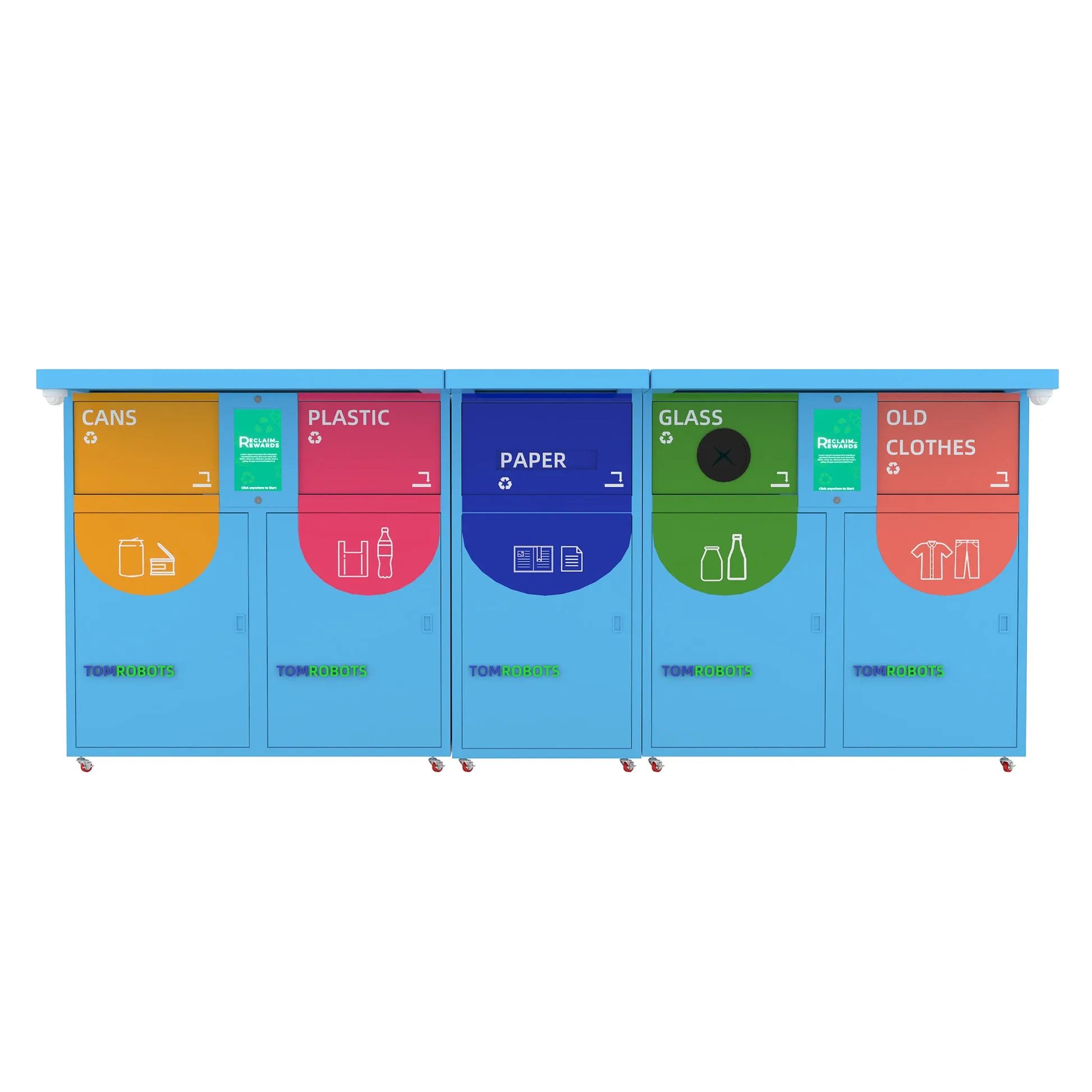

Picking the right machine for a busy location is not as simple as choosing the first model you find online. Deciding on the right Reverse Vending Machine matters most in spots like malls, schools, stadiums, and transit stations, where heavy daily use means the wrong choice can lead to jams, long lines, and frustrated users within the first few weeks.
Why High Traffic Locations Need a Different Approach
A machine placed in a quiet office lobby only handles a handful of bottles each day. A machine placed near a food court or a train station can process hundreds of items in the same amount of time. That difference matters a lot when you are deciding what to buy.
Machines built for light use often have smaller storage bins and slower processing speeds. In a high traffic setting, this means the bin fills up fast, and staff have to empty it several times a day just to keep the machine working. That adds labor costs and makes the whole recycling program harder to manage.
Choosing a machine designed for heavy use from the start saves a lot of these headaches later. It also keeps the recycling experience smooth for the people using it, which matters if you want them to keep using it at all.
Storage Capacity Matters More Than You Think
One of the first things to check is how much a machine can hold before it needs to be emptied. A larger internal bin means fewer interruptions and less staff time spent on maintenance throughout the day.
For places with constant foot traffic, look for machines with built in compaction. This feature crushes cans and bottles as they go in, which means the same bin can hold far more material before it fills up. Without compaction, a busy machine might need emptying every few hours, which is simply not practical for most locations.
It also helps to think about peak hours. A stadium during an event or a mall on a weekend will see a huge spike in usage compared to a normal weekday. Planning for those peak moments, rather than just an average day, prevents the machine from overflowing at the worst possible time.
Speed and Sensor Accuracy
Nobody wants to wait behind a line of people while a machine slowly processes each bottle. Speed matters just as much as storage in a high traffic setting. Look for machines with fast sensor recognition that can identify and sort items in a second or two rather than several seconds.
Sensor accuracy is just as important as speed. A Plastic Reverse Vending Machine that misreads items or rejects valid bottles will frustrate users quickly, and many will simply stop bothering to recycle at all. Good sensors should reliably tell the difference between plastic, aluminum, and glass, and sort each one correctly without constant errors.
Some machines also offer rewards or points for each item recycled, which can encourage more people to use the machine regularly. In a high traffic location, this kind of incentive can make a noticeable difference in how much material actually gets recycled instead of thrown away.
Durability and Maintenance Needs
Heavy daily use puts more wear on moving parts, so durability should be a top concern when shopping for a Reverse Vending Machine For Sale in this category. Look for machines built with sturdy materials that can handle constant door openings, item drops, and general wear without breaking down often.
Ask about how easy the machine is to service if something does go wrong. A machine that needs a specialized technician for every small issue will cause longer downtime, which is a bigger problem in a busy location where the machine gets used constantly throughout the day.
It also helps to check how the machine handles power outages or connectivity issues, especially in large public spaces where these problems are more common. A machine that can store data locally and sync later avoids losing important tracking information during a temporary outage.
Matching the Machine to the Space
Before making a final decision, measure the space where the machine will go and think about foot traffic patterns throughout the day. A machine placed in a tight corner or a poorly lit area will see less use than one placed somewhere visible and easy to reach.
Consider how many machines you might actually need. In some very high traffic locations, one machine simply cannot keep up, no matter how fast or well built it is. Splitting demand across two smaller units in different spots can sometimes work better than relying on a single large one.
Getting these details right from the start makes a real difference in how well a recycling program performs over time. A well placed, well matched machine gets used consistently, while a poorly placed one often gets ignored no matter how advanced its technology is.
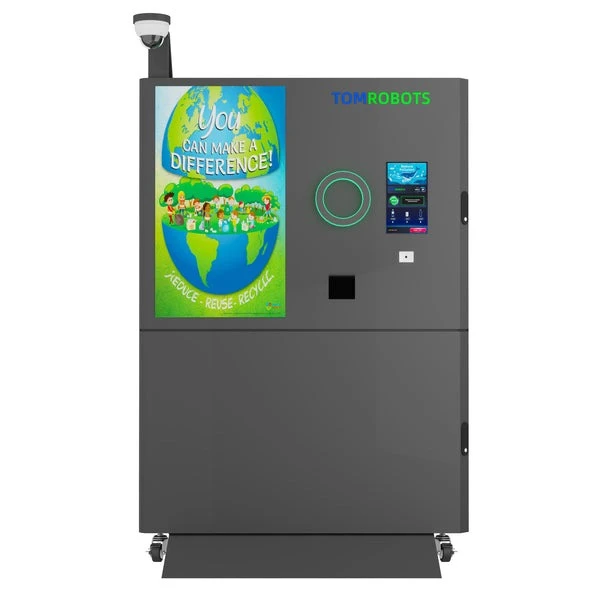
Companies like Tom Robots design their machines with these exact challenges in mind, offering a range of options built for both everyday spaces and high traffic environments. Working with an experienced manufacturer like TomRobots when selecting a Plastic Bottle Recycling Machine for a demanding location can help ensure the equipment actually holds up to the volume it will face every single day.





















Sign in to leave a comment.