
Orthodontic treatment has come a long way in the past few decades. What was once limited to bulky metal braces now includes discreet, comfortable options like clear aligners. For individuals considering treatment to improve their smile and correct alignment issues, the decision often comes down to two main options: traditional braces and clear aligners.
Both approaches are proven, widely used, and effective, but they serve different needs and lifestyles. This guide will provide a detailed, unbiased comparison of the two to help you make an informed decision about what’s best for your orthodontic care.
Understanding the Basics
What Are Traditional Braces?
Traditional braces are made up of metal brackets that are attached to each tooth and connected by a wire. The wire is periodically adjusted by an orthodontist to apply pressure and gradually move the teeth into the desired position. Braces can also come in ceramic (tooth-colored) materials for those who want a more subtle appearance.
What Are Clear Aligners?
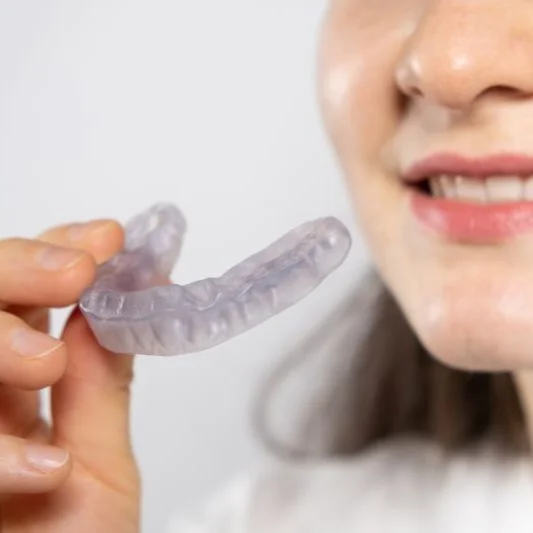
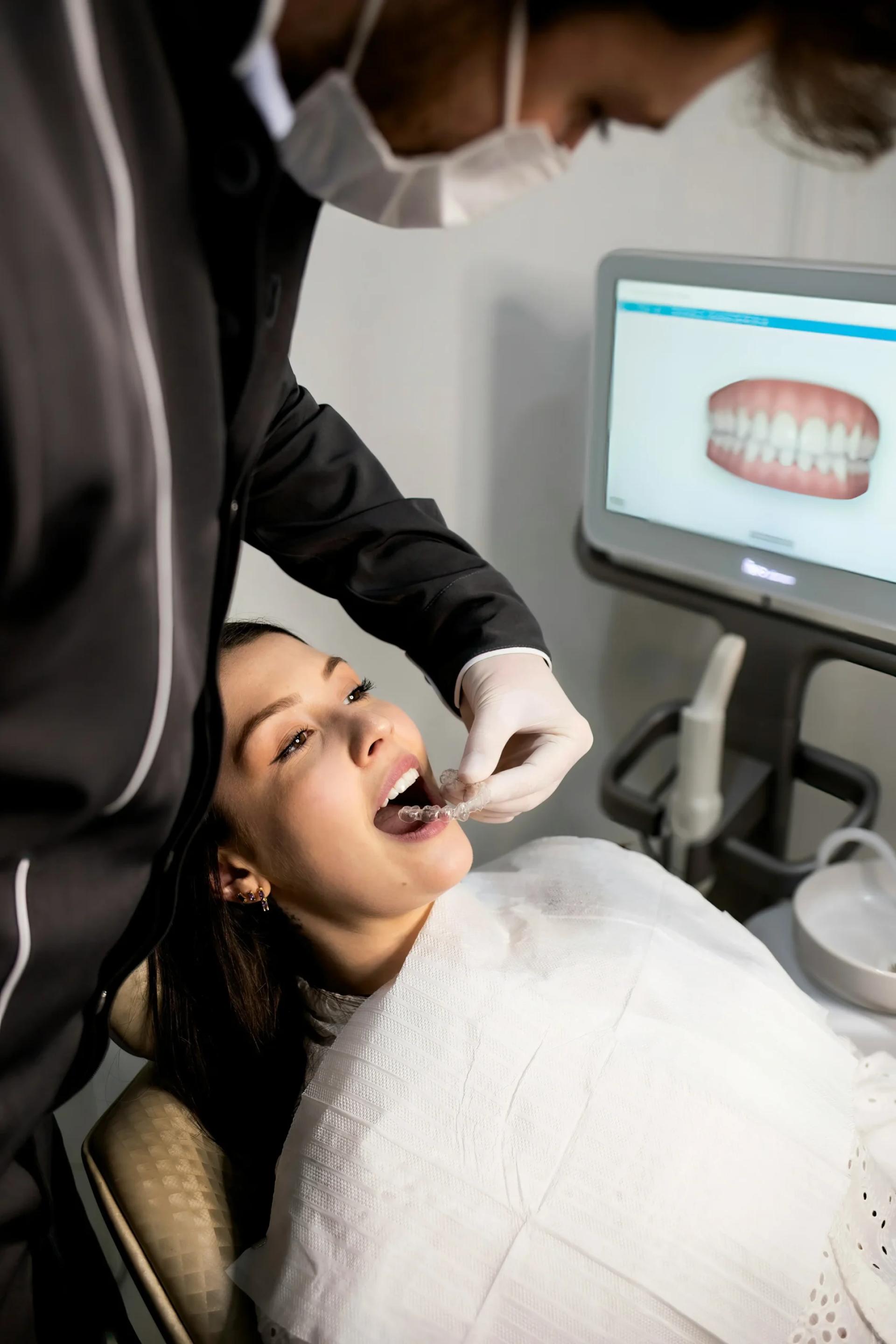
Clear aligners are a series of custom-made, removable plastic trays that gradually move teeth into alignment. Popular brands like Invisalign use advanced 3D scanning and computer modeling to create a step-by-step plan. Each set of aligners is worn for about one to two weeks before switching to the next in the series.
Effectiveness and Scope of Treatment
Traditional braces are considered more versatile when it comes to complex orthodontic cases. They are highly effective in correcting:
- Severe overcrowding
- Rotated teeth
- Large gaps
- Complex bite issues (overbite, underbite, crossbite)
- Significant jaw misalignments
Braces apply continuous pressure and allow for the use of additional components such as rubber bands and expanders, making them ideal for comprehensive corrections.
Clear aligners, on the other hand, are highly effective for mild to moderate issues, such as:
- Minor spacing or crowding
- Mild bite misalignments
- Aesthetic realignment for adults or teens
While clear aligners have improved significantly in their ability to treat more complex cases, they may not always be the best option when significant tooth movement is required.
Aesthetics and Discreetness
A key reason many patients prefer clear aligners is their aesthetic advantage. Made from transparent plastic, aligners are nearly invisible when worn. This makes them an attractive option for working professionals, students, and anyone who prefers a more discreet treatment.
In contrast, traditional metal braces are visible, though some people (especially teens) embrace the look and enjoy customizing them with colored bands. Ceramic braces offer a compromise by using tooth-colored materials that are less noticeable but still visible upon closer inspection.
Comfort and Experience
Clear aligners are generally considered more comfortable. They are custom-fitted and made from smooth plastic, which reduces irritation to the cheeks and gums. Since they are removable, patients can take them out while eating and brushing, which greatly enhances comfort and convenience.
Traditional braces, particularly in the early stages of treatment or after adjustments, can cause soreness. Metal brackets and wires may irritate the inside of the mouth, especially if not properly cared for. Orthodontic wax and pain relievers are often used to manage this discomfort.
Oral Hygiene and Maintenance
Clear aligners make oral hygiene much simpler. Since they are removable, patients can brush and floss normally, reducing the risk of cavities and gum disease during treatment.
Traditional braces require more diligent oral care. Brushing and flossing around wires and brackets can be challenging and time-consuming. If not maintained properly, patients may experience plaque buildup, tooth decay, or staining around the brackets.
Eating and Lifestyle Considerations
Clear aligners must be removed before eating or drinking anything other than water. While this allows you to eat whatever you want, it also means you'll need to carry your case and brush your teeth after meals. There’s also a responsibility factor: if you don’t wear the aligners for at least 20–22 hours per day, your treatment will be compromised.
With traditional braces, there are dietary restrictions. Sticky, hard, and chewy foods are generally off-limits, as they can damage the brackets or wires. Eating with braces also requires extra care and time, especially in public or social situations.
Treatment Duration
In terms of duration, both methods can take anywhere from 6 months to 2 years, depending on the complexity of the case. That said, clear aligners may be slightly faster for minor adjustments due to the efficiency of digital treatment planning and less frequent in-office visits.
Braces may require monthly visits for wire adjustments, whereas aligner patients typically check in every 6–8 weeks to receive their next set of trays.
Cost Comparison
The cost of treatment is influenced by several factors, including location, case complexity, and provider expertise. Generally:
- Traditional braces are often more affordable, ranging from $3,000 to $6,000 (or AED 10,000 to AED 20,000 in Dubai).
- Clear aligners tend to cost more, ranging from $4,000 to $8,000 (or AED 12,000 to AED 25,000), especially if they involve advanced scanning and treatment planning.
While cost is an important factor, it’s essential not to base your decision on price alone. Long-term results, comfort, and lifestyle fit are just as crucial.
Compliance and Responsibility
Clear aligners place a significant responsibility on the patient. If you are not disciplined about wearing them as instructed, the treatment may not be effective or could take longer. For this reason, they may not be ideal for younger patients or those who struggle with routine.
Braces, being fixed, take the compliance issue out of the equation. Once they are on, they work 24/7. This makes them ideal for children and teens who may forget or lose removable appliances.
Which Option Is Right for You?
Choosing between traditional braces and clear aligners depends on several factors:
- Complexity of your dental condition: Severe or complex issues may require traditional braces.
- Your lifestyle: Professionals and adults often prefer the discreet look of aligners.
- Oral hygiene habits: If you struggle with daily dental care, aligners might be a better fit.
- Discipline and routine: If you can commit to wearing aligners properly, they can be a great option.
- Budget: Traditional braces are usually more cost-effective, but many clinics offer payment plans for both.
Ultimately, the best way to determine the right treatment is to consult with a qualified orthodontist. A thorough examination, digital scans, and a conversation about your goals will help create a personalized plan that suits your specific needs.
Final Thoughts
Orthodontic treatment is a long-term investment in your health, confidence, and appearance. Both traditional braces and clear aligners have their strengths and limitations. By understanding the pros and cons of each, and working closely with a trusted orthodontic provider, you can make a well-informed decision that leads to the smile you’ve always wanted.
For those in Dubai, clinics like AQR Orthodontics offer both options, backed by experienced specialists and modern technology. Whether you need comprehensive correction or a subtle cosmetic adjustment, you’ll find solutions tailored to your needs.
Contact information:
Name: AQR Orthodontics
Address: Cosmocare Medical Center, Ground Floor – Villa No. 4, Al Wasl Road, Opposite Pizza Hut, Jumeirah 2, Dubai, United Arab Emirates
Phone: +971 56 882 7870
Website: https://aqrorthodontics.com
Google Maps: https://maps.app.goo.gl/RpcjNEUGVkFQsFCn9























Sign in to leave a comment.