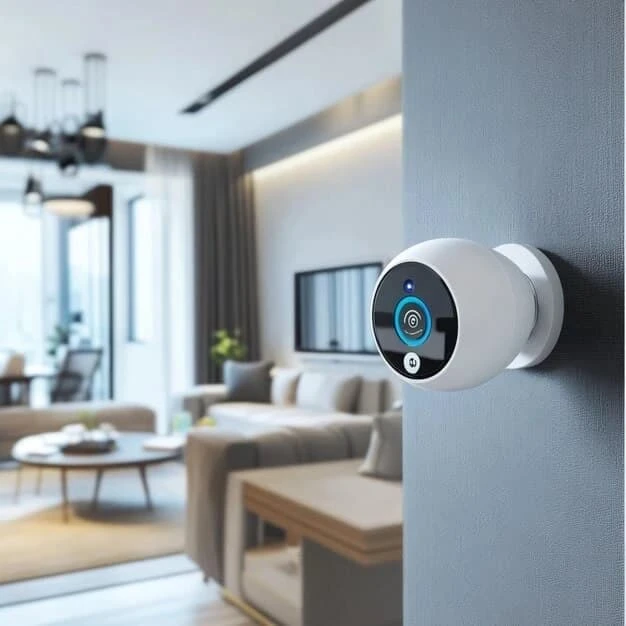

Homeowners today understand that ensuring the safety of their property is more important than ever. Installing a reliable house CCTV system has become one of the most effective ways to enhance security and peace of mind. With technological advancements offering a wide range of camera options and smart features, selecting the right system can be challenging without proper guidance.
This article explores the key aspects of choosing the best house CCTV system for any property, including understanding its importance, identifying the right features, and making informed installation decisions.
Understanding the Importance of a House CCTV System
A house CCTV system is designed to monitor and record activities around and within a property. It serves as a preventive measure against potential intrusions while also providing evidence when incidents occur. Beyond safety, it adds a sense of assurance that one’s home and family are protected.
Enhanced Security and Deterrence
Visible cameras act as strong deterrents to burglars and vandals. Most intruders avoid properties with active surveillance since they know their actions can be recorded and traced.
Evidence Collection and Monitoring
In the event of suspicious activity or crime, recorded footage from a house CCTV system becomes valuable evidence. It assists law enforcement and helps resolve insurance claims more efficiently.
Remote Monitoring and Control
Modern systems allow homeowners to monitor live video feeds remotely through smartphones or computers. This feature ensures continuous protection even when away from home.
Key Factors to Consider When Choosing a House CCTV System
Selecting the best house CCTV system requires careful consideration of several factors that determine how well it will perform and how convenient it will be to use.
Assessing Property Needs
Every home has unique security requirements based on size, layout, and location. For instance, larger properties may require multiple cameras with wide-angle coverage, while smaller homes may need only a few strategically placed units.
Indoor vs. Outdoor Cameras
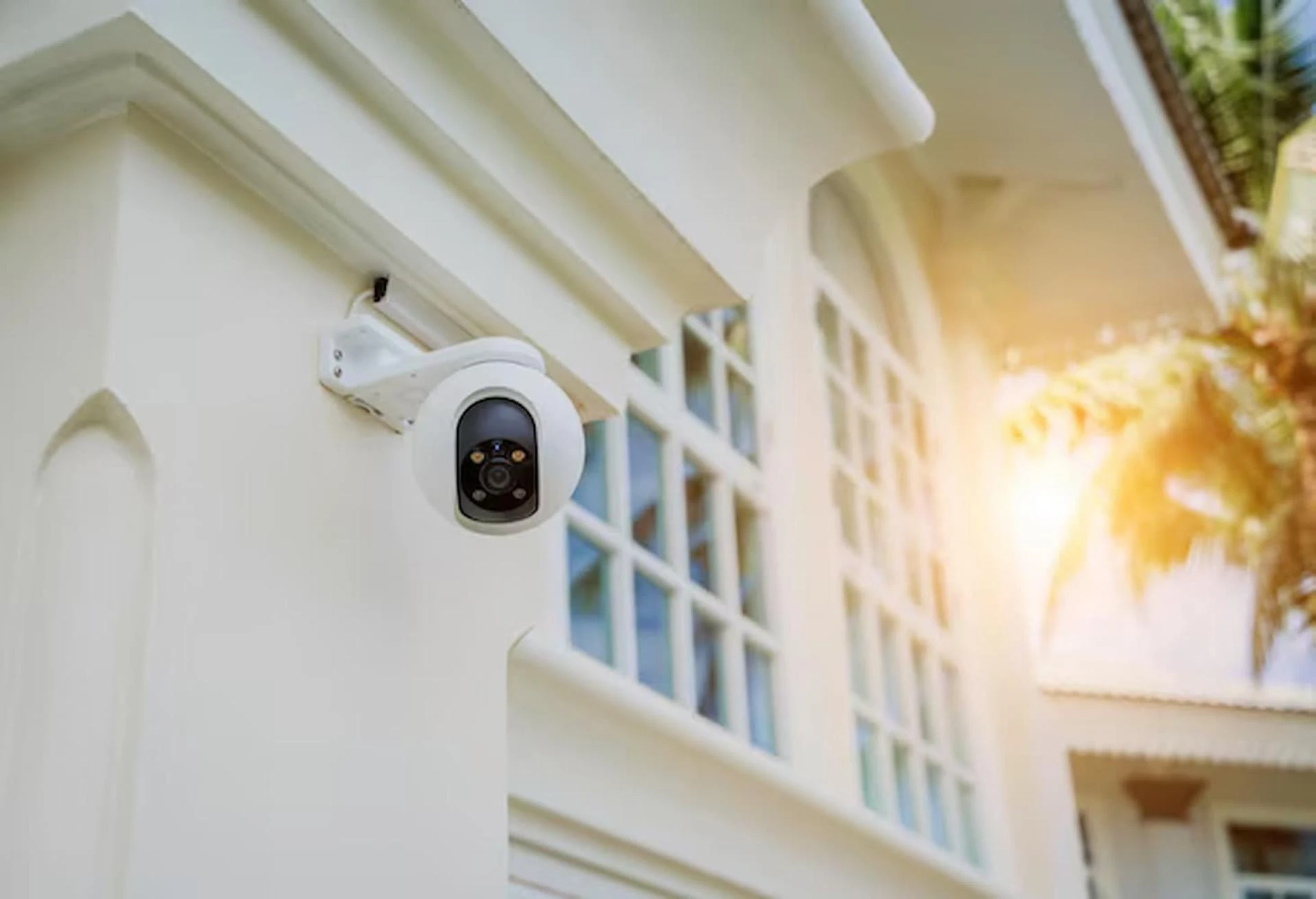
Indoor cameras are designed for interior monitoring and often have sleek designs that blend with home décor. Outdoor cameras, on the other hand, are built with weather-resistant casings to withstand harsh conditions and provide reliable surveillance.
Wired or Wireless Setup
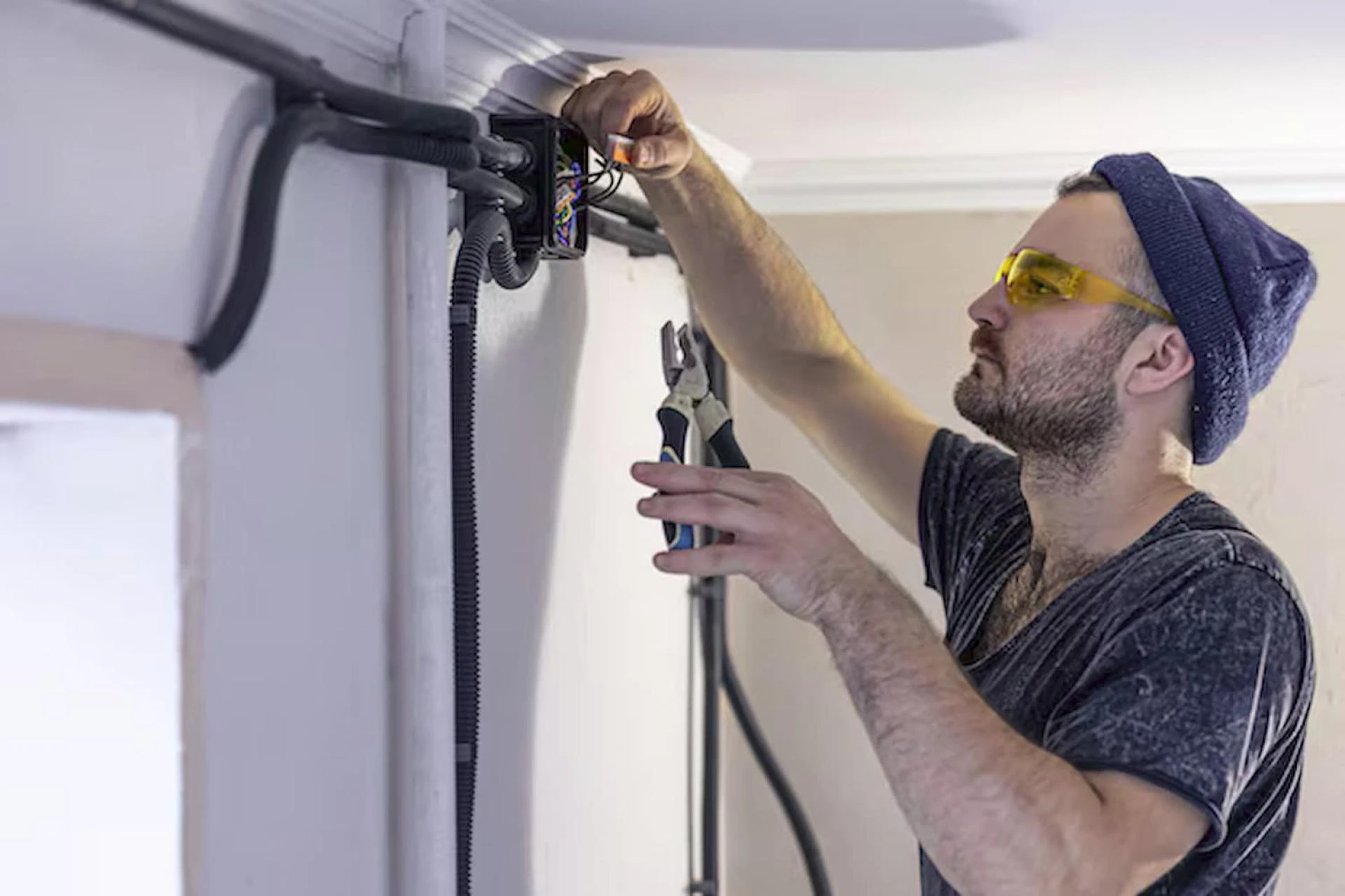
Wired systems offer stable and uninterrupted video transmission but require professional installation. Wireless systems are easier to set up, flexible, and ideal for properties where extensive wiring is not practical.
Storage Options
Homeowners should decide between local and cloud storage. Local storage saves footage on memory cards or DVRs, while cloud storage offers remote access and protection from physical damage or theft.
Resolution and Image Quality
High-resolution cameras provide clearer and more detailed images. A minimum of 1080p HD resolution is recommended for most homes, while 4K cameras offer superior clarity for large properties or areas that require detailed surveillance.
Essential Features of a Modern House CCTV System
Modern house CCTV systems come with various features that enhance performance and convenience. Knowing which features matter most helps homeowners make better choices.
Night Vision Capability
Security threats are not limited to daylight hours. Cameras equipped with infrared night vision or low-light sensors ensure visibility even in complete darkness.
Motion Detection and Alerts
Motion sensors help detect unusual movement and trigger alerts or recordings only when necessary, saving storage space and allowing quick responses.
Wide-Angle and Pan-Tilt-Zoom Functions
Wide-angle lenses cover more area, while PTZ cameras can rotate, tilt, and zoom to track movement, making them ideal for monitoring large outdoor spaces.
Audio Recording and Two-Way Communication
Some advanced systems include microphones and speakers for real-time communication. This allows homeowners to interact with visitors or warn potential intruders.
Weather Resistance
Outdoor cameras should have high IP ratings to protect against rain, dust, and extreme temperatures. A durable design ensures longevity and consistent performance.
Smart Integration
Smart technology allows users to connect their CCTV systems with home automation devices such as smart locks or lighting systems. Integration provides greater convenience and control through voice commands or mobile applications.
Deciding the Right Camera Placement
Proper placement of cameras determines how effective the house CCTV system will be. Incorrect installation can lead to blind spots and missed incidents.
Entry and Exit Points
Main entrances, back doors, and garage doors are the most common points of entry for intruders. Placing cameras at these locations ensures critical coverage.
Driveways and Pathways
Monitoring driveways helps track vehicles and detect any unusual activity near the property boundary.
Living Areas and Hallways
Indoor cameras in living rooms, hallways, and staircases help monitor movement and daily activities, ensuring family safety.
Outdoor Perimeters
Cameras along fences, backyards, and garden areas provide early alerts of movement before intruders reach the home.
Height and Angle
Installing cameras at a height of around 8 to 10 feet helps prevent tampering while ensuring a clear field of view. The angle should be adjusted to capture faces rather than just the tops of heads.
Balancing Privacy and Security
While surveillance enhances safety, it is equally important to maintain privacy. A well-designed house CCTV system protects without intruding on personal or neighbor privacy.
Respecting Boundaries
Cameras should be positioned so they do not capture footage of neighboring properties or public areas unless absolutely necessary.
Data Protection
Using strong passwords, encryption, and secure storage helps prevent unauthorized access to video feeds or recorded footage.
Transparency with Residents
Informing household members about camera placements promotes trust and ensures that everyone understands the purpose of the system.
Benefits of Installing a House CCTV System
Investing in a house CCTV system provides both immediate and long-term benefits that go beyond simple monitoring.
Crime Prevention
Visible surveillance discourages burglars and trespassers from targeting the property, reducing the risk of theft or vandalism.
Evidence and Accountability
Video recordings provide valuable proof in case of disputes, accidents, or suspicious activity.
Remote Security Management
Homeowners can monitor live feeds and receive instant alerts through mobile devices, allowing quick responses to potential issues.
Improved Home Value
Properties with reliable security systems tend to have higher market value and attract more potential buyers due to the added safety.
Insurance Advantages
Some insurance providers offer lower premiums for homes equipped with certified surveillance systems, recognizing reduced risks.
Maintenance and Regular Upkeep
Even the best house CCTV system requires proper maintenance to ensure continuous and effective operation.
Routine Inspections
Checking connections, cleaning lenses, and testing cameras regularly helps prevent technical failures.
Software Updates
Updating firmware and applications keeps the system secure from vulnerabilities and ensures smooth performance.
Reviewing and Managing Storage
Homeowners should periodically review stored footage and clear outdated files to maintain adequate storage space.
Power Backup Solutions
Installing backup batteries or uninterruptible power supplies ensures that the system remains functional during power outages.
Common Mistakes to Avoid
When setting up a house CCTV system, avoiding common mistakes ensures maximum protection and efficiency.
Overlooking Key Areas
Failing to cover important spots like side doors or backyard entrances can leave the property vulnerable.
Choosing Low-Quality Equipment
Cheaper systems often have poor image quality and limited durability. Investing in high-quality components ensures reliability and longevity.
Ignoring Internet Security
For smart systems, using weak passwords or unencrypted networks can expose video feeds to cyber threats.
Neglecting Maintenance
Without routine maintenance, even advanced systems can develop issues that compromise overall security.
Future Trends in Home Surveillance
Technology continues to transform house CCTV systems, making them smarter, faster, and more user-friendly.
Artificial Intelligence Integration
AI-powered systems can distinguish between humans, pets, and vehicles, minimizing false alarms and improving detection accuracy.
Cloud-Based Monitoring
Cloud technology allows secure and convenient access to footage anytime and anywhere, eliminating the risk of physical data loss.
Enhanced Connectivity
Integration with smart assistants and automation systems makes home surveillance more interactive and efficient.
Energy-Efficient Solutions
Modern CCTV systems are becoming more energy-efficient, contributing to sustainability while reducing electricity costs.
Conclusion
Choosing the best house CCTV system for a property involves evaluating features, placement, and ongoing maintenance. From high-resolution cameras to smart integrations and cloud-based monitoring, every aspect contributes to enhanced security and convenience. A well-planned system not only protects property but also provides peace of mind and confidence in daily life.
For expert insights and trusted information about modern surveillance solutions, CCTV remains a reliable name in promoting safety and home protection awareness.



























Sign in to leave a comment.