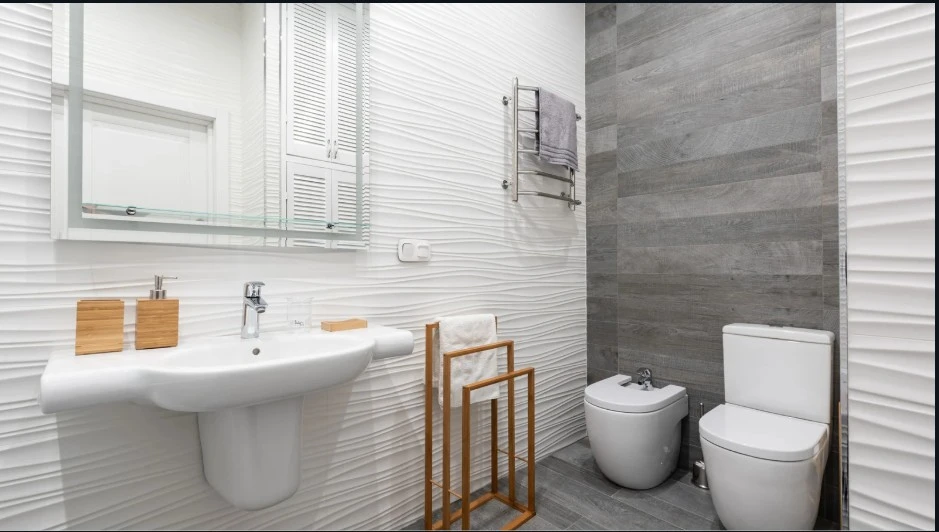

When renovating or designing a bathroom, choosing the right tiles is a crucial decision. Tiles are not just about aesthetics; they influence functionality, durability, and ease of maintenance. With a wide array of materials, finishes, and colors available, selecting the perfect tile can be overwhelming. This guide will help you navigate through the choices to find the best tiles for your bathroom.
1. Understanding Different Types of Bathroom Tiles
Before diving into designs and colors, it is essential to understand the various tile materials available. Each has its advantages and limitations.
Ceramic Tiles
Ceramic tiles are a popular choice for bathroom walls and floors. They are affordable, water-resistant, and available in numerous styles. However, they can be less durable than other materials and might chip or crack under heavy impact.
Porcelain Tiles
Porcelain tiles are denser and more durable than ceramic tiles. They offer better water resistance, making them an excellent option for bathrooms with high moisture levels. Their variety of textures and finishes mimic materials like wood and stone.
Glass Tiles
If you want a modern, sleek look, glass tiles are a fantastic choice. They reflect light beautifully, making small bathrooms appear more spacious. However, they can be slippery when wet and require careful installation.
Stone Tiles
Natural stone tiles, such as marble, granite, and slate, add a luxurious touch to any bathroom. While stunning, they require more maintenance to prevent staining and water damage.
Vinyl Tiles
A cost-effective and water-resistant option, vinyl tiles are easy to install and maintain. They are available in various designs that mimic natural materials, but they may lack the premium feel of other tile types.
2. Choosing the Right Tile for Different Areas in Your Bathroom
Each area of your bathroom has different requirements, and choosing the appropriate tile ensures longevity and functionality.
Floor Tiles
Bathroom floor tiles should be durable, water-resistant, and slip-resistant. Porcelain, textured ceramic, or anti-slip vinyl are the best choices.
Wall Tiles
Wall tiles allow for more creativity. Glossy ceramic, glass, and mosaic tiles work well to create stunning visual effects while being easy to clean.
Shower Tiles
For showers, water resistance and mold resistance are key. Porcelain and glass tiles are excellent choices, and grout lines should be properly sealed.
3. Selecting the Right Tile Size and Shape
The size and shape of tiles play a significant role in your bathroom’s overall look.
- Large tiles create a spacious and seamless appearance.
- Small tiles (such as mosaics) add texture and work well for accent walls.
- Hexagonal or patterned tiles add a unique design element.
4. Picking the Perfect Color and Design
Color and design influence the mood and atmosphere of your bathroom.
- Light colors (white, beige, pastels) make small bathrooms feel larger.
- Dark colors (charcoal, navy, black) add drama and elegance but may require more cleaning.
- Patterned tiles add personality and style.
5. Durability: Ensuring Long-Lasting Beauty
Durability is key in a high-moisture environment like the bathroom. Porcelain and natural stone tiles are known for their longevity. Ensure tiles are rated for bathroom use to prevent water damage.
6. Maintenance: Keeping Your Tiles Looking New
Proper maintenance extends the life of your tiles. Here are some key tips:
- Clean regularly with mild cleaners to prevent dirt buildup.
- Seal grout to prevent mold and mildew.
- Avoid harsh chemicals that can damage tile surfaces.
7. Slip Resistance: Safety First
Safety is paramount in bathrooms. Choose textured tiles or anti-slip coatings to prevent accidents, especially in wet areas.
8. Budget Considerations
Tiles come in a range of prices. Ceramic and vinyl tiles are budget-friendly, while natural stone and custom-designed tiles can be more expensive. Factor in installation costs and long-term maintenance expenses.
9. Eco-Friendly Tile Options
Sustainable options are available for environmentally conscious homeowners. Recycled glass tiles, sustainable ceramic tiles, and natural stone from ethical sources are great choices.
10. Professional Installation vs. DIY
While some tiles are DIY-friendly, intricate designs and materials like stone and glass require professional installation for the best results.
Conclusion
Choosing the best tiles for your bathroom involves balancing style, durability, maintenance, and budget. Whether you opt for sleek porcelain, classic ceramic, or luxurious marble, the right choice will enhance your bathroom’s beauty and functionality. Take time to explore options, consider your needs, and enjoy creating a bathroom that reflects your personal style! For expert tile installation and advice, visit Tile Setters Vancouver.

























Sign in to leave a comment.