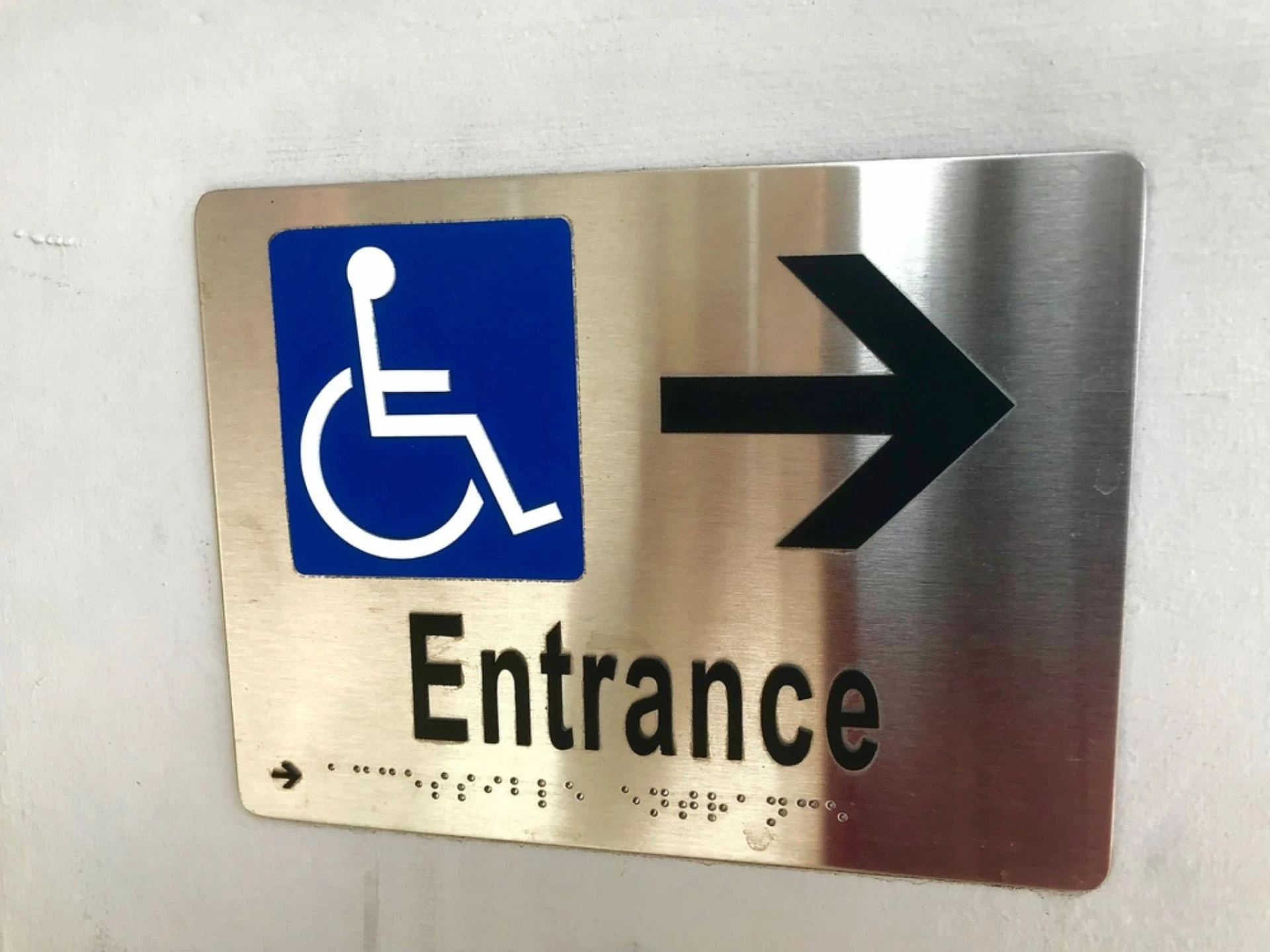

Ensuring your business complies with the Americans with Disabilities Act (ADA) isn’t simply a matter of legal obligation—it’s a reflection of your commitment to accessibility, inclusivity, and professional standards. For businesses in Wilmington, selecting the right ADA sign company is a critical decision that can impact long-term compliance, customer experience, and risk management. With evolving ADA guidelines and strict enforcement mechanisms, choosing a knowledgeable and reliable partner is essential.
This guide outlines how Wilmington business owners can evaluate and select an ADA sign provider that delivers quality signage, expert guidance, and ongoing support for long-term compliance.
Understanding ADA Sign Requirements
Before diving into how to choose a vendor, it’s important to understand what ADA signs are and why they matter.
ADA signs are specially designed wayfinding and informational signs that comply with federal accessibility standards established under the ADA. These standards dictate specifications for text size, font style, tactile lettering, Braille inclusion, mounting height, contrast, and finish. They ensure people with visual and physical disabilities can navigate spaces such as offices, restaurants, medical facilities, and commercial buildings independently and safely.
Non-compliance can result in:
- Fines and legal liability
- Accessibility complaints
- Negative customer perception
- Reduced usability for persons with disabilities
With ADA compliance tied directly to regulatory enforcement and brand reputation, selecting a qualified Wilmington ADA sign company is a strategic investment.
1. Look for Proven Expertise in ADA Standards
The first factor in your evaluation should be technical expertise in ADA signage requirements.
Not all sign companies fully understand ADA specifications. The right provider should demonstrate:
- Knowledge of ADA Standards for Accessible Design
- Familiarity with Wilmington, North Carolina building codes
- Experience creating compliant signs for public and private facilities
- Ability to advise on site evaluations and ADA audits
Ask potential vendors about their certification, training, and how they stay updated with regulatory changes. A provider that offers compliance audits alongside sign production often shows a deeper understanding of accessibility requirements.
2. Assess Portfolio and Local References
An ADA sign company’s past work is the strongest indicator of future performance.
Request a portfolio of ADA signage installations, especially for businesses similar to yours (e.g., medical offices, restaurants, retail spaces, or housing complexes). Evaluate work samples for:
- Consistent and correct ADA features (tactile text, Braille)
- Design quality and material durability
- Integration with existing interiors and branding
- Clear and effective wayfinding systems
Contact local Wilmington references to validate project satisfaction, timeliness, communication quality, and post-installation support. Local experience matters because city codes, inspectors, and tenant expectations can vary.
3. Prioritize Quality Materials and Craftsmanship
Long-term compliance isn’t just about meeting standards today—it’s about signage that remains compliant and legible over time.
Lower-quality ADA signs can degrade, lose contrast, or fail tactile requirements, leading to non-compliance during inspections.
Choose a company that uses:
- Durable substrates (acrylic, metal, high-density urethane)
- High-contrast finishes that resist fading
- Tactile text and Braille that retain shape
- Professional installation hardware and techniques
Discuss warranty options. Quality vendors often offer warranties or maintenance plans that protect your investment and ensure signage remains in good condition.
4. Evaluate Customization and Brand Integration
While compliance is non-negotiable, your ADA signage should also reflect your brand identity.
The ideal Wilmington ADA sign company will balance ADA requirements with visual design. This means:
- Incorporating brand colors and fonts that still meet contrast criteria
- Creating design templates consistent across all signage
- Offering recommendations for cohesive wayfinding aesthetics
Good customization improves customer experience without compromising regulatory adherence.
5. Confirm Installation and Project Management Capabilities
Seamless ADA sign installation is as important as product quality. Poor installation can lead to incorrect mounting heights, misaligned tactile features, or violations of accessible routes.
Ask the provider:
- Do they perform on-site measurements before production?
- Do they handle installation in-house or through subcontractors?
- How do they coordinate with general contractors, property managers, or facility teams?
Strong project management ensures signs are correctly placed the first time, reducing risk and cost from rework.
6. Check for Ongoing Support and Compliance Services
ADA requirements evolve, and your facility may change over time. A vendor who offers ongoing support services—such as annual compliance reviews, updates after renovations, and replacement services—provides long-term value.
Discuss whether the company can:
- Conduct periodic compliance inspections
- Offer updates following code revisions
- Provide replacement signs for modifications or relocations
Companies that position themselves as long-term partners rather than one-time vendors typically deliver better outcomes for sustained ADA adherence.
7. Compare Pricing and Value Proposition
Price is important, but it should not be the sole deciding factor. Extremely low bids may indicate compromised material quality or insufficient ADA knowledge.
Instead, evaluate:
- Transparency in pricing (materials, labor, installation)
- Value-added services (site audits, design consultations)
- Warranty and support packages
A higher initial investment in a reputable Wilmington ADA sign company often yields lower total cost of ownership due to reduced risk of compliance issues and longer product life.
Conclusion
Choosing the right ADA sign company in Wilmington is a strategic decision that affects regulatory compliance, customer experience, and brand reputation. Prioritizing ADA expertise, local references, quality materials, customization, professional installation, ongoing support, and transparent pricing will position your business for long-term success.
By partnering with an experienced ADA signage provider, you demonstrate a commitment to accessibility and inclusivity—fundamental values that resonate with customers, employees, and the broader Wilmington community.






















Sign in to leave a comment.