
Introduction
Choosing bulk toilet paper is not as simple as it seems, as there are multiple factors in determining the best choice for you. Proper consideration ensures that both comfort and cost are well balanced. Informed decisions benefit businesses, institutions, and large households. This guide provides an overview of the important elements so that you can select the best option for your different needs.
1. Understanding Ply and Thickness
Toilet paper is often available in one-ply, two-ply, or even three-ply types. Purchasing bulk toilet tissue paper is a practical option for high-traffic environments where cost efficiency and consistent supply are important. It is composed of layers, each contributing to softness and strength. One-ply rolls are suitable for high-traffic areas and help save money, while two-ply or multi-ply versions offer greater comfort. Three-ply paper is the softest but usually more expensive. Frequency of use and comfort requirements help determine the ideal thickness.
2. Roll Size and Pack Quantity Evaluation
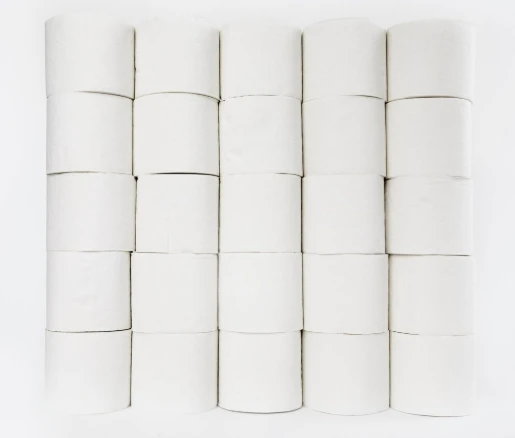
Toilet paper in bulk can be purchased in regular, jumbo, and mega rolls. Standard rolls are designed for most dispensers and smaller facilities. Jumbo and mega rolls require less frequent replacement, making them ideal for busy restrooms. Larger pack sizes reduce restocking frequency and often provide better value. Estimating restroom traffic helps determine the most suitable size.
3. Evaluating Material Quality
Toilet paper is made from either virgin pulp or recycled fibre. Virgin pulp makes the paper softer and stronger, which is preferred in places where comfort is important. People who value environmental sustainability often prefer recycled options. Modern production methods have improved the quality of recycled paper, so while it may feel slightly rougher, it helps reduce waste. The right choice comes from balancing environmental impact with user experience.
4. Considering Dispenser Compatibility
Bulk toilet paper must be compatible with existing dispensers. Not every roll fits every unit, especially in commercial facilities. Standard rolls work with conventional holders, while jumbo or coreless varieties require specialised dispensers. Checking dimensions and core sizes before purchasing avoids installation issues. Sometimes, changing the roll type may require upgrading dispensers for better efficiency.
5. Budgeting for Cost and Value
Buying in bulk is usually cost-driven, but the cheapest option is not always the best. Low-cost paper may wear out quickly, leading to higher usage and more maintenance. Higher-quality rolls, although more expensive upfront, can reduce overall consumption. Balancing initial cost with long-term savings leads to better purchasing decisions.
6. Prioritising Comfort and User Experience
Comfort plays a significant role in user satisfaction, especially in customer-facing environments. Softer and thicker toilet paper improves the overall restroom experience and enhances the facility’s appeal. Choosing rough or thin products may save money but can result in complaints. User feedback helps maintain a good balance.
7. Promoting Environmental Responsibility
Many organisations now prioritise eco-friendly solutions. Sustainable products such as recycled toilet paper and certified materials reflect environmental responsibility. Biodegradable packaging and responsible sourcing further reduce environmental impact. Choosing sustainable options aligns with organisational values and appeals to users.
8. Factoring in Storage and Handling
Bulk purchasing requires adequate storage space. Large cartons of toilet paper can take up significant space, particularly in smaller buildings. Proper storage ensures the product remains clean and dry. Planning deliveries based on available space helps maintain inventory without overcrowding storage areas.
9. Checking for Easy-to-Use Packaging
Packaging affects both storage and handling. Individually wrapped rolls stay clean until use, making them suitable for hygienic environments. Unwrapped bundles create less waste but may be exposed to dust or moisture. Packaging that is easy to open saves staff time during restocking. Choosing the right packaging type simplifies logistics.
Conclusion
Selecting the best bulk toilet paper involves balancing comfort, cost, sustainability, and practicality. Considering all these factors ensures user satisfaction while managing expenses. Regular evaluation of product performance helps avoid issues and maintain long-term benefits. Focusing on ply, roll size, material, compatibility, and user feedback leads to better choices and improved experiences for all users.


























Sign in to leave a comment.