
Why Car Dashboard Idols Are More Than Just Decoration
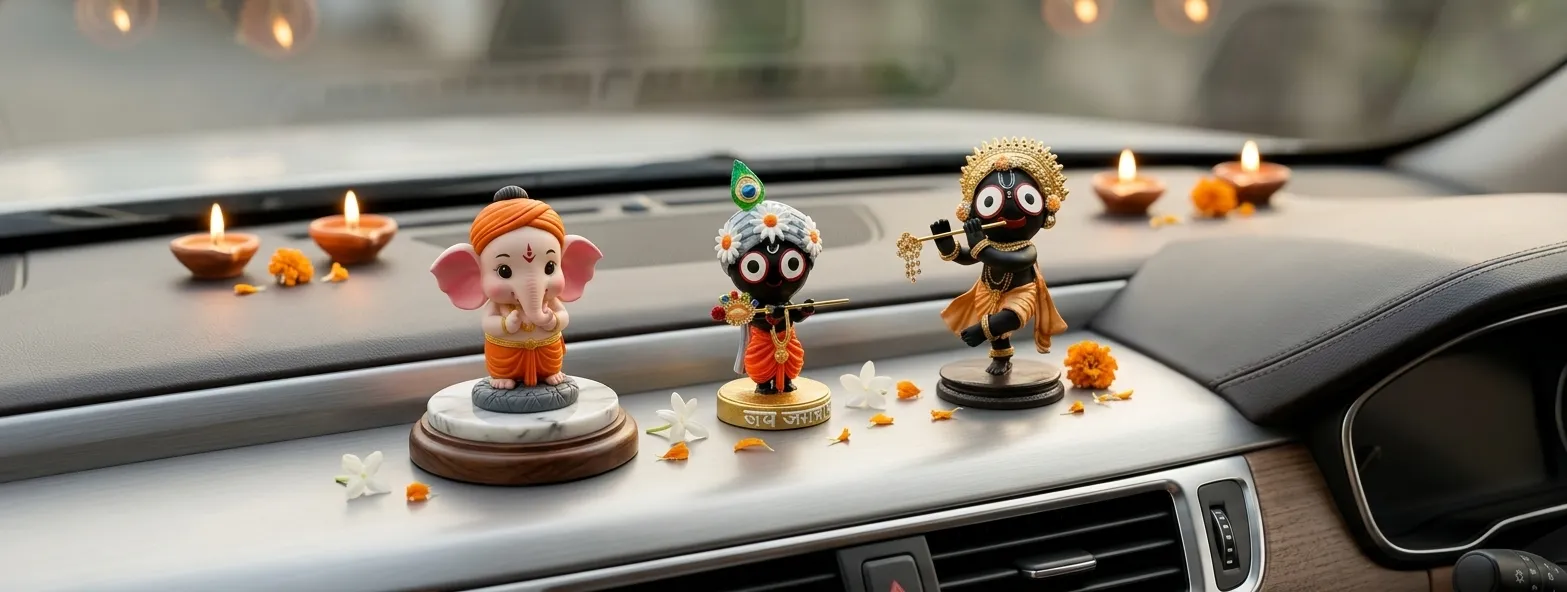
There was a time when people placed almost anything on their car dashboards — a small toy, a lucky charm, or a photo tucked into the corner. Over the years, though, something has shifted. People have started thinking more intentionally about what belongs in that space. Not because of trends, but because the inside of a car is genuinely personal. It's where you start your day, sit through traffic, and often do some of your quietest thinking.
That shift is probably why car dashboard idols have stayed consistently popular, even as interiors have become more minimal and design-conscious.
What Makes a Good Dashboard Idol
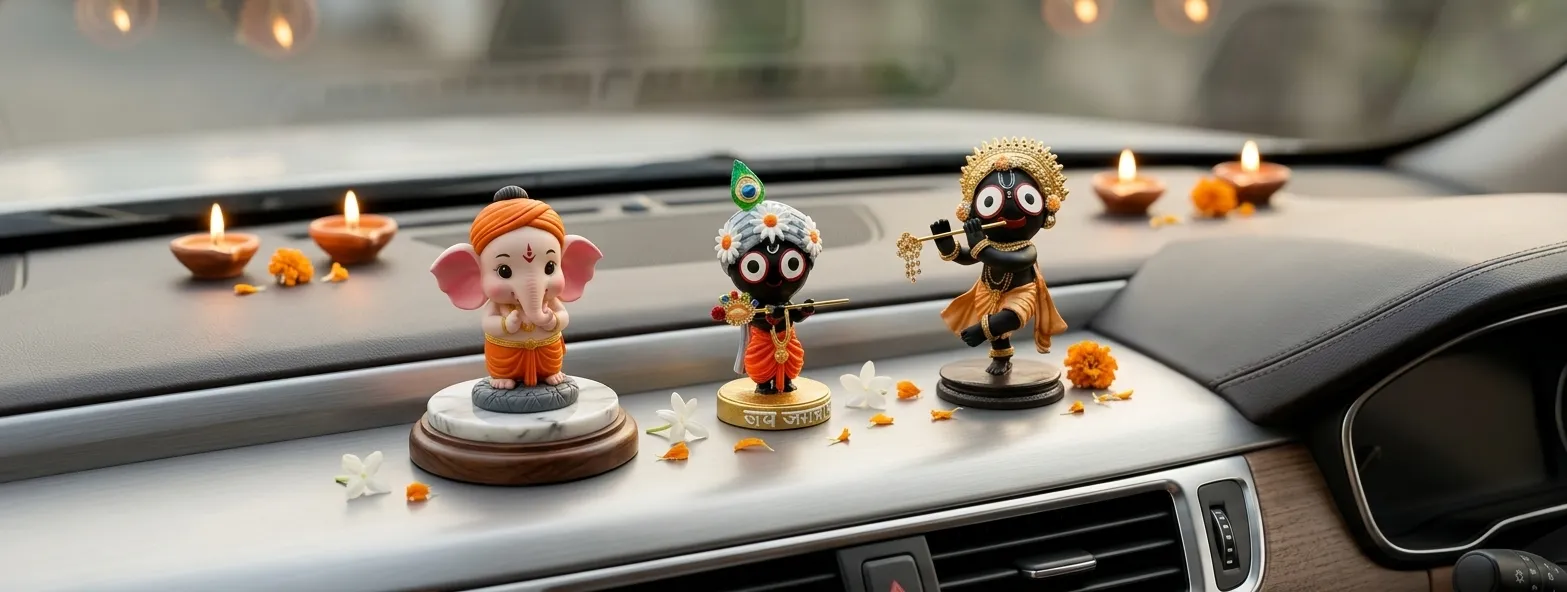
Not every decorative piece works well on a dashboard. The space is limited, the surface is often curved, and the interior of most modern cars already has its own visual language — neutral tones, clean lines, soft lighting. A decorative piece that's too large, too bright, or poorly balanced can feel out of place rather than adding to the space.
The better-designed car dashboard idols tend to share a few qualities: they're compact, stable enough to stay in place over bumps, and finished in a way that doesn't clash with the interior. Matte surfaces, earthy tones, and clean detailing tend to work better than highly glossy or overly ornate pieces, especially in contemporary vehicles.
Which Idols Are Most Commonly Chosen? and Why?
Different deities resonate with different people, and that's reflected in what tends to be selected most.
Lord Ganesha remains one of the most frequently chosen figures for dashboards. The symbolism is straightforward — Ganesha is associated with new beginnings and the removal of obstacles, which makes him a natural fit for a space connected with daily journeys. The forms vary quite a bit, from very traditional to more simplified modern interpretations, but the preference consistently holds.
Jagannath idols carry a different kind of appeal. The style is visually distinctive — bold, geometric, deeply rooted in Odishan folk tradition — and for many people, it's both a spiritual connection and an appreciation for a specific artistic form that isn't found in many other idol traditions.
Krishna, Shiva, and Hanuman idols are also common choices, particularly among people who prefer a quieter, more devotional quality to their dashboard decor rather than something with a strong decorative or visual statement.
Material Matters More Than You Might Expect
How an idol is made and finished affects how it fits into the car, both visually and practically. Lightweight materials are important — heavy pieces can shift or topple. Finishes that don't reflect glare are also worth considering, since dashboard placement means direct light exposure at certain times of day.
Wooden-style finishes, matte textures, and handcrafted detailing have become more common in recent car dashboard collections for exactly these reasons. They tend to complement rather than compete with modern interiors, which often already use similar tones and textures.
The Understated Effect of Getting It Right
Dashboard decor is easy to overlook when thinking about a car's interior. But a thoughtfully chosen idol - one that fits the space, suits the interior, and carries personal meaning - can quietly change the feel of the whole cabin. It doesn't demand attention, but it's there every time you sit down.
That combination of practicality, personal meaning, and visual restraint is probably why car dashboard idols have remained a consistent part of how people make their vehicles feel like their own.
If you're exploring options, the car dashboard collection at Shri Prasadam is worth browsing, the pieces are designed with material quality, appropriate sizing, and finishes that complement rather than compete with your car's interior.























Sign in to leave a comment.