
Introduction
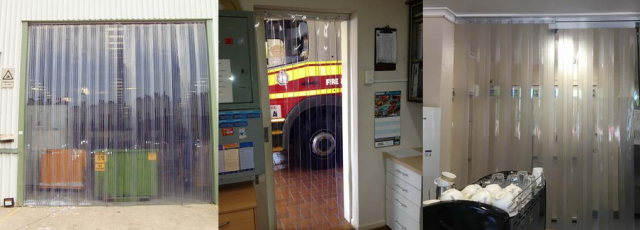
From simple home use to industrial applications, clear plastic sheets serve a wide range of purposes. Choosing the correct type is crucial for achieving the desired outcome. As several options are now available in the market, understanding the differences helps users make an informed choice. In this guide, we look at some important considerations that should inform your selection process.
1. Types of Clear Plastic Sheets
There are many types of clear plastic sheets, and each one has its own advantages. Acrylic, polycarbonate, and PETG are commonly used for most projects. Acrylic sheets are known for their glass-like appearance whilst being resistant to yellowing. Due to its high impact resistance, polycarbonate is well suited for safety-related applications. The flexibility and ease of fabrication make PETG particularly desirable for both hobbyists and professionals.
2. Strength and Durability
Not every project requires maximum strength. Polycarbonate sheets are extremely tough and are unlikely to break, even under heavy impact. Acrylic is durable yet lighter than glass, making it suitable for displays or cases. PETG is a relatively strong material, and unlike traditional glass, it is unlikely to shatter. Evaluating the required durability allows for proper material selection for the intended application.
3. Clarity and Transparency
Visual clarity often plays a significant role when choosing plastic sheeting. Acrylic offers excellent transparency, closely resembling glass while being significantly lighter. Polycarbonate also provides good clarity, although it may develop slight haze over time with prolonged exposure to sunlight. PETG maintains its transparency even after repeated fabrication, making it suitable for projects requiring frequent cutting or bending.
4. Weight Considerations
Weight affects installation and long-term usability. Acrylic and PETG sheets are lightweight, making them easy to handle and install. While polycarbonate is slightly heavier, it is still lighter than glass. For large installations, such as solar applications, lighter sheets reduce stress on supporting structures and make transportation easier.
5. Weather Resistance
The lifespan of clear plastic sheets can be affected by environmental exposure. Acrylic is highly regarded for its strong UV-resistant properties, making it suitable for outdoor use. Polycarbonate performs well outdoors but usually requires a protective coating to prevent yellowing. PETG is generally better suited for indoor projects, as prolonged exposure to sunlight can cause degradation.
6. Ease of Fabrication
Some projects require materials that are easy to cut, shape, and drill. PETG is favoured because it is simple to work with and allows for detailed fabrication with minimal effort. While acrylic can be worked using tools similar to those used for wood, extra care is required to prevent cracking. Polycarbonate can also be cut and drilled but may require more specialised equipment to achieve optimal results. Considering fabrication requirements ensures the selected material meets project demands.
7. Cost and Budget
Budget often guides material selection. Acrylic sheets are typically affordable and provide a good balance between quality and cost. Polycarbonate tends to be more expensive, reflecting its superior strength and impact resistance. PETG sits between the two, offering good value for projects that require flexibility and clarity. Comparing cost against intended use helps ensure a cost-effective decision.
8. Safety and Maintenance
Some applications prioritise safety and ease of cleaning. The shatter-resistant nature of polycarbonate makes it ideal for barriers or protective shields. Acrylic is easy to clean and maintain due to its smooth surface. PETG is resistant to many chemicals, which is beneficial in environments requiring frequent sanitisation. Safety and maintenance requirements should be considered carefully before selecting a material.
9. Environmental Impact
Sustainability is becoming increasingly important. Many clear plastic sheets are recyclable, although recycling options vary by location. PETG is often preferred due to its recyclability and lower emissions during manufacturing. Acrylic and polycarbonate are also recyclable, but users should check local recycling programmes. Environmental considerations support responsible use of natural resources.
Conclusion
Selecting the right clear plastic sheet involves balancing strength, clarity, weight, and cost. Each material offers advantages suited to specific requirements. By carefully considering these factors, users can choose the most suitable sheet for their needs. Making an informed decision leads to improved outcomes, enhanced safety, and greater satisfaction.
Sign in to leave a comment.