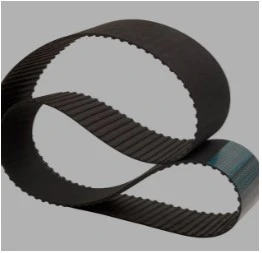

Conveyor belts are the unsung heroes of countless industries, silently moving products from one point to another with efficiency and reliability. Among the various types available, PVC and rubber conveyor belts stand out as two popular choices. Both offer distinct advantages and are suitable for different applications. In this article, we\'ll delve into the differences between PVC and rubber belts, helping you make an informed decision when selecting the right one for your needs.
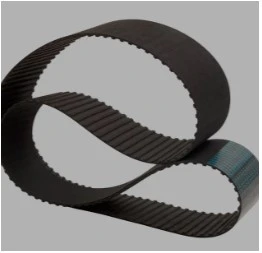
PVC Conveyor Belts: Versatile and Durable
Polyvinyl chloride (PVC) conveyor belts are known for their versatility and durability. These belts are made from layers of PVC material, reinforced with polyester or fiberglass strands. PVC conveyor belts are resistant to moisture, chemicals, and abrasion, making them ideal for industries such as food processing, pharmaceuticals, and logistics.
One of the key advantages of PVC conveyor belts is their ease of maintenance. They are easy to clean and require minimal upkeep, contributing to lower operational costs over time. Additionally, PVC belts offer excellent resistance to oils and greases, ensuring smooth operation even in challenging environments.
PVC conveyor belts manufacturersare also highly customizable, available in various colors, thicknesses, and surface textures to suit specific applications. Whether you need a belt with a smooth surface for food handling or a textured surface for inclined conveying, PVC belts can be tailored to meet your requirements.
Rubber Conveyor Belts: Superior Strength and Flexibility
Rubber conveyor belts are renowned for their superior strength and flexibility. Made from natural or synthetic rubber compounds, these belts are capable of withstanding heavy loads and high temperatures, making them suitable for industries such as mining, construction, and agriculture.
One of the primary advantages of rubber belts is their exceptional grip, which ensures reliable traction even on steep inclines or slippery surfaces. This makes them ideal for applications where stability and safety are paramount.
Rubber belts are also known for their longevity and resilience. They can endure harsh operating conditions, including exposure to extreme temperatures, chemicals, and abrasive materials, without compromising performance. As a result, rubber belts offer a long service life and minimal downtime, maximizing productivity and efficiency.
Choosing the Right Belt for Your Application
When selecting between PVC and rubber belts, several factors should be considered, including the specific requirements of your application, operational environment, and budgetary constraints. PVC belts are ideal for industries where hygiene, ease of maintenance, and cost-effectiveness are priorities, while rubber belts excel in applications demanding strength, durability, and traction.
It\'s essential to consult with a reputable conveyor belt manufacturer to assess your needs and recommend the most suitable solution. With their expertise and industry knowledge, they can help you choose the right belt type, design, and specifications to optimize performance and longevity.
Conclusion
Whether you require a PVC conveyor belt for food processing or a rubber belt for heavy-duty applications, choosing the right belt is crucial for ensuring smooth and efficient material handling operations. By understanding the differences between PVC and rubber belts and assessing your specific requirements, you can make an informed decision that enhances productivity and profitability.
For high-quality conveyor belts tailored to your needs, consider Lakhotia World. With the extensive range of PVC conveyor belts manufacturer and commitment to customer satisfaction, they are the preferred choice for industries worldwide.










Sign in to leave a comment.