
Ear piercing is not just a fashion statement; it's a personal form of self-expression that allows you to adorn yourself in a way that reflects your individuality. From subtle and discreet to bold and edgy, there's a wide range of ear piercings to choose from, each offering its unique charm. However, selecting the right ear piercing is not a decision to be taken lightly. It involves considering various factors such as pain tolerance, healing time, and the aesthetics you wish to achieve. In this guide, we'll take you through the process of choosing the perfect ear piercing in Abu Dhabi that suits your style and personality.
1. Pain Tolerance
One of the first factors to consider when choosing an ear piercing is your pain tolerance. While pain is subjective and varies from person to person, it's essential to have a general idea of the discomfort you can endure. Here's a rough guide to the pain levels associated with common ear piercings:
- **Low Pain**: Lobe piercing is typically considered the least painful. If you're averse to pain, this might be the best option for you.
- **Moderate Pain**: Helix, tragus, and rook piercings generally fall into the moderate pain category. The discomfort is usually tolerable for most individuals.
- **Higher Pain**: Industrial piercings and cartilage piercings, like the daith, snug, or conch, can be more painful due to the denser cartilage. If you can handle a higher level of pain, these can be great choices.
Remember, the pain is typically brief, lasting only a few seconds during the actual piercing process, and it's often outweighed by the satisfaction of having the piercing you desire.
2. Healing Time
Different ear piercings have varying healing times. It's important to consider your patience and commitment to the aftercare during the healing period. Here's an overview of typical healing times for common ear piercings:
- **Fast Healing (6-8 weeks)**: Lobe piercings are known for their quick healing times. If you're looking for a piercing with minimal downtime, this is a great option.
- **Moderate Healing (3-6 months)**: Piercings like the helix, tragus, and anti-tragus fall into this category. You'll need to be diligent with aftercare for several months.
- **Slower Healing (6-12 months)**: Conch, rook, and orbital piercings generally require a longer healing period. These piercings demand more patience and care.
- **Long Healing (up to 12 months)**: Industrial piercings, cartilage piercings like the daith and snug, and tongue piercings often take longer to heal. If you're willing to invest time in proper aftercare, they can be worth the wait.
Understanding the healing time can help you choose a piercing that aligns with your lifestyle and commitments.
3. Aesthetics and Style
Your choice of ear piercing is a direct reflection of your personal style and aesthetics. Here are some considerations to help you match your piercing with your style:
- **Minimalist**: If you prefer a subtle, understated look, opt for lobe, upper lobe, or conch piercings with small, delicate studs.
- **Boho-Chic**: Helix, tragus, or auricle piercings paired with hoops and dangles can add a touch of bohemian charm to your style.
- **Edgy and Bold**: Industrial piercings, cartilage piercings, or ear cuffs can create a bold, edgy look that stands out.
- **Classic Elegance**: If you aim for timeless elegance, consider simple lobe piercings with pearl or diamond studs.
- **Mix and Match**: Don't hesitate to mix and match different piercings and jewelry to create a unique, eclectic style.
- **Statement Pieces**: Opt for piercings that can be adorned with statement earrings or jewelry to create a bold fashion statement.
4. Facial Structure and Anatomy
Your individual facial structure and ear anatomy can also influence your choice of ear piercing. Some piercings may complement your features better than others. For instance:
- **Tragus Piercing**: Can draw attention to the middle of your ear and is great for individuals with more delicate features.
- **Conch Piercing**: Works well with larger ears and can enhance the ear's overall aesthetics.
- **Rook Piercing**: Suits those with a well-defined antihelix fold, providing a subtle yet stylish addition to the ear.
- **Helix Piercing**: Is versatile and can be adapted to suit various ear shapes and sizes.
- **Orbital Piercing**: Offers flexibility in placement and can be customized to complement your ear's unique features.
Consider how the piercing will interact with your individual anatomy and consult with a professional piercer for guidance.
5. Professional Piercer
Choosing the right ear piercing also involves selecting the right professional piercer. Here are some key factors to consider when seeking a piercer:
- **Experience**: Look for a piercer with a reputable track record and experience in the specific type of piercing you desire.
- **Hygiene**: Ensure the studio follows strict hygiene and sterilization protocols. A clean environment is crucial to prevent infections.
- **Communication**: A good piercer should be willing to listen to your preferences, answer your questions, and provide guidance.
- **Portfolio**: Review the piercer's portfolio to see their previous work and confirm that their style aligns with your own.
- **Credentials**: Check for certifications and licenses to guarantee that the piercer adheres to industry standards.
- **Aftercare**: A professional piercer should provide you with detailed aftercare instructions to ensure a successful healing process.
6. Consider Multiple Piercings
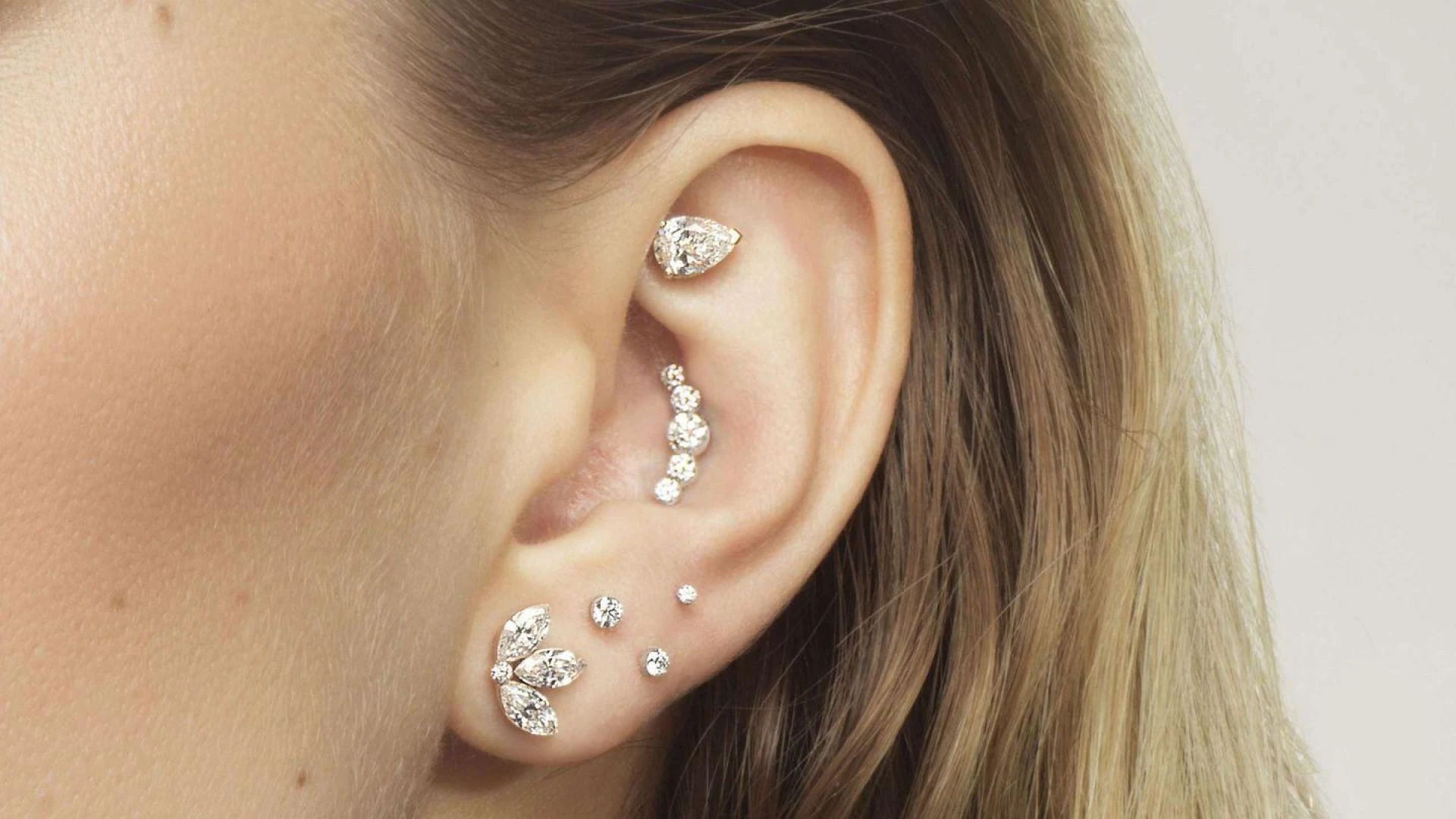
Don't limit yourself to just one piercing; consider the possibilities of multiple piercings. A well-curated combination of ear piercings can create a captivating and personalized look. For instance, you might opt for a double helix piercing, a tragus, and a conch piercing to form a stylish ear stack. Mixing and matching piercings allows you to express your personality and create a dynamic, ever-evolving style.
7. Temporary Options
If you're unsure about committing to a permanent piercing or you want to experiment with different looks, there are temporary alternatives. Faux piercings, clip-on earrings, and magnetic studs offer the illusion of a piercing without the permanence. These options are great for trying out different placements and styles before making a long-term decision.
Conclusion
Choosing the right ear piercing is a personal journey that goes beyond aesthetics. It involves considering factors like pain tolerance, healing time, and your individual style. Your facial structure and anatomy also play a role in determining which piercing will suit you best. Ultimately, consulting with a professional piercer is essential to ensure a safe and successful piercing experience. Whether you opt for a minimalist lobe piercing or a bold industrial piercing, your choice is a reflection of your unique personality and style. So, embark on your ear piercing journey with confidence, knowing that the perfect adornment awaits you.



Sign in to leave a comment.