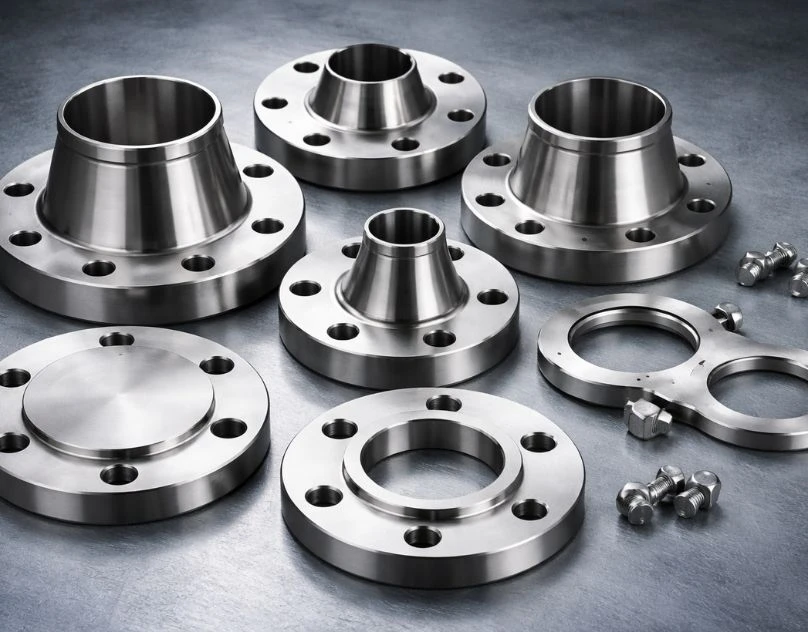

When sourcing industrial piping components, flanges play a critical role in ensuring leak-proof connections, easy maintenance, and long-term durability. At pipex.ai, we understand that buyers are not just looking for products—they are looking for reliability, compliance, and value for money. Whether you are involved in oil & gas, petrochemicals, power plants, or construction, selecting the right type of flange is essential for operational efficiency and safety.
Understanding Flanges from a Buyer’s Perspective
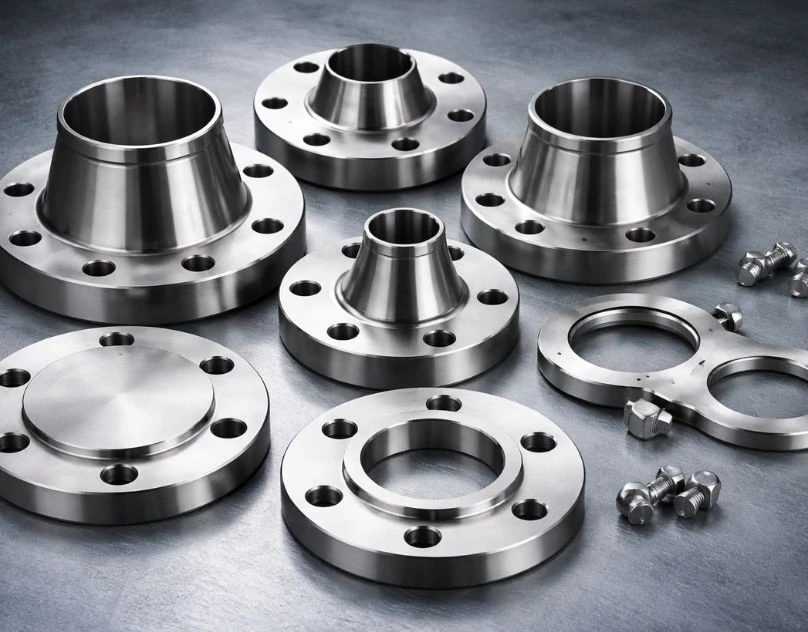
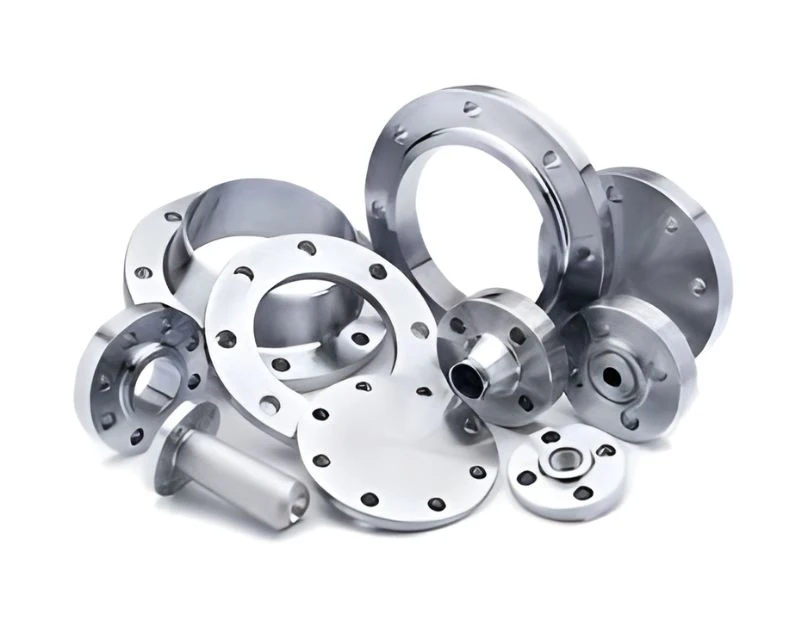
Flanges are mechanical components used to connect pipes, valves, pumps, and other equipment to form a piping system. They allow easy assembly and disassembly, making inspection and maintenance more convenient. However, not all flanges are the same, and choosing the right one depends on factors such as pressure rating, temperature, fluid type, and installation requirements.
When searching for a reliable flanges manufacturer in india, buyers should consider certifications, manufacturing standards (ASTM, ASME, DIN), material quality, and delivery timelines. A trusted supplier ensures not only product consistency but also technical support and customization options.
Types of Flanges You Should Know
- Reducing Flanges
Reducing flanges are specifically designed to connect pipes of different diameters. This type of flange eliminates the need for additional fittings like reducers, simplifying the piping layout.
From a buyer’s standpoint, reducing flanges help in:
- Reducing overall system cost
- Minimizing space requirements
- Maintaining smooth fluid flow
When choosing a reducing flanges supplier in india, ensure that the flange dimensions and bore sizes match your system requirements accurately. Precision is key to avoiding leakage and pressure loss.
- Orifice Flanges
Orifice flanges are used in conjunction with orifice plates to measure the flow rate of liquids or gases in a pipeline. These flanges come with pressure tap holes, making them highly specialized.
Buyers in industries like oil & gas or chemical processing prefer orifice flanges because:
- They enable accurate flow measurement
- They support high-pressure applications
- They are compatible with instrumentation systems
Working with experienced orifice flanges manufacturers ensures that the product meets strict tolerances and industry standards, which is crucial for measurement accuracy.
- Forged Flanges
Forged flanges are manufactured through a forging process that enhances their mechanical strength and durability. These flanges are ideal for high-pressure and high-temperature environments.
Key benefits for buyers include:
- Superior strength and resistance to stress
- Longer service life
- Reduced risk of cracks or failures
If you are sourcing from forged flanges suppliers, check for material traceability, heat treatment processes, and quality inspection reports. Forged flanges are often used in critical applications, so quality should never be compromised.
- Slip On Flanges
Slip on flanges are among the most commonly used types due to their ease of installation and cost-effectiveness. They are designed to slide over the pipe and are then welded both inside and outside for strength.
From a buyer’s perspective, slip on flanges offer:
- Easy alignment and installation
- Lower initial cost compared to other flange types
- Suitability for low to moderate pressure systems
When selecting slip on flanges manufacturers in india, ensure the flanges have proper dimensional accuracy and smooth finishing to facilitate easy welding and fitting.
Key Factors Buyers Should Consider
- Material Selection
Flanges are available in various materials such as carbon steel, stainless steel, alloy steel, and duplex steel. The choice depends on the application environment, corrosion resistance needs, and temperature conditions.
- Standards and Certifications
Always verify compliance with international standards like ASTM, ASME, and ISO. Certified products ensure reliability and safety in critical operations.
- Pressure Ratings
Understanding pressure classes (e.g., 150, 300, 600) is essential. Selecting the wrong pressure rating can lead to system failure and costly downtime.
- Supplier Reliability
A dependable supplier not only delivers quality products but also offers technical guidance, timely delivery, and after-sales support.
Why Making the Right Choice Matters
For buyers, the cost of choosing the wrong flange goes beyond the product price. It can lead to:
- Leakage and system inefficiency
- Increased maintenance costs
- Safety hazards and operational downtime
Investing in high-quality flanges from trusted manufacturers ensures long-term performance and peace of mind.
Final Thoughts
Flanges may seem like small components, but they are fundamental to the integrity of any piping system. Whether you need reducing flanges for size transitions, orifice flanges for flow measurement, forged flanges for strength, or slip on flanges for easy installation, understanding your requirements is key to making the right purchase.




























Sign in to leave a comment.