
By the CBW Engineering Technical Team
Authorised Lindapter distributor for Australia. Reviewed by our structural fixings specialists.
Last updated: June 2026
Quick answer: The right floor fixing secures grating or steel floorplate to the structural steel below without movement, drilling, or welding. For most commercial and industrial flooring systems, clamp-style fixings such as Grate-Fast (for open grating) and Floorfast (for steel floorplate) install from above by a single person, suit flange thicknesses from 3mm to 15mm, and avoid the need for hot work permits.
This guide covers what floor fixings do, how to match the fixing to your flooring system, the key types worth knowing, the safety and compliance benefits, and how to source genuine engineered products in Australia.
What Are Floor Fixings and Why Do They Matter
Floor fixings are the mechanical connectors that secure floor panels, grating, or plates to the structural steelwork below. In a steel flooring system they are the critical link between the walking surface and the frame supporting it, holding the floor tight against movement under load.
A poorly fixed floor moves, creaks, and eventually fails. With the right fixings installed correctly, the floor stays tight, safe, and effectively maintenance-free for years. That is the outcome every builder, engineer, and project manager should be aiming for.
Beyond structural performance, floor fixings also affect how quickly and cleanly an installation can be completed. Systems that require access from below, drilling into steel, or hot work permits add significant time and cost to a project. The best fixings remove all of that.
How Modern Flooring Systems Change the Fixing Choice
Steel flooring is common in commercial offices, plant rooms, mezzanines, data centres, and modular construction, where access, cable management, and flexibility are priorities. These systems often sit on relatively thin steel flanges, which rules out many traditional bolt-through methods that need to drill or weld the structural steel.
Where panels are lighter or more brittle, the fixing also needs to distribute load carefully so it holds the surface firmly without cracking it or allowing any play in the connection. Clamp-style fixings that grip the flange from above are usually the practical solution, because they spread the clamping force and need no penetration of the steel.
Match the fixing to these three things:
- Surface type: open grating, steel floorplate, or composite panel.
- Flange thickness of the steel section underneath, measured before ordering.
- Access: whether the crew can reach the underside, or must work entirely from above.
Types of Floor Fixings Worth Knowing
Not all floor fixings are the same, and matching the product to the application is what prevents callbacks. Two clamp-style systems cover most steel flooring work: Grate-Fast for open grating, and Floorfast for steel floorplate.
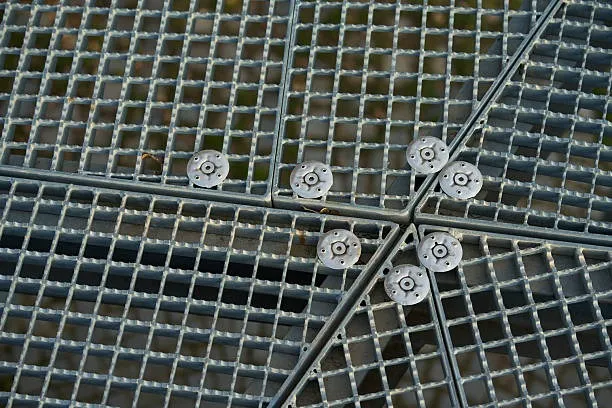
Grate-Fast connects open grate flooring to steel sections quickly and securely. It installs from above by a single person, with no drilling into the steel and no on-site welding. That makes it well suited to projects where underside access is restricted or simply impractical.
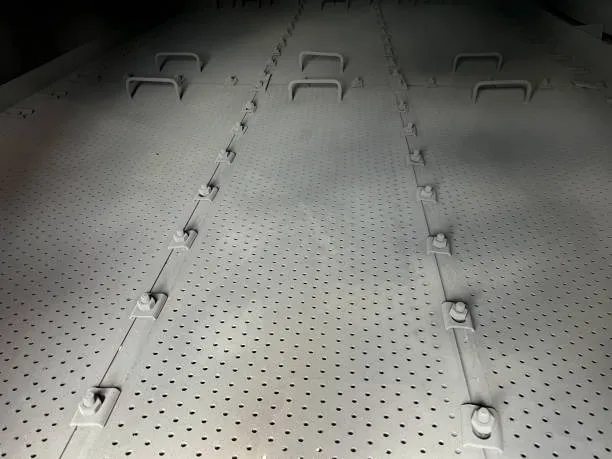
Floorfast takes the same approach for steel floorplate. It uses a malleable iron body casting with a countersunk socket screw, and the eccentric stepped web locks automatically under the steelwork once tightened. It accommodates flange thicknesses from 3mm to 15mm, with packing pieces available for thicker flanges.
Both products are pre-assembled and designed for straightforward installation without specialist equipment, which directly reduces on-site labour and keeps the schedule moving.
Grate-Fast vs Floorfast at a glance
| Feature | Grate-Fast | Floorfast |
| Designed for | Open grate flooring | Steel floorplate |
| Installation | From above, single person | From above, single person |
| Drilling or welding | Not required | Not required |
| Flange thickness | Standard steel sections | 3mm to 15mm (packers for thicker) |
| Hot work permit | Not needed | Not needed |
| Best when | Underside access is restricted | Plate floors needing a locked fix |
Always confirm the exact flange profile on your project before ordering.
The Safety and Compliance Advantage
A factor often overlooked in fixing selection is compliance. In many commercial and industrial environments, hot work permits are required before any welding or cutting takes place. These permits slow the job and add administration that nobody enjoys.
Fixings that need no hot work sidestep this entirely. Lindapter floor fixings are specifically suited to offshore, petrochemical, and processing environments for exactly this reason. No hot work permit means faster approvals and fewer delays.
These products are also fully tested for heat, vibration, service life, and load capacity, and carry independent approvals, which matters when you are specifying fixings for a project that will face engineering scrutiny or compliance checks. Minimal protrusion above walkways is a further practical benefit, since fixings that sit proud of the surface create trip hazards in any occupied building.
Installation Considerations
Installing floor fixings correctly comes down to preparation and sequencing. Before any fixing goes in, the steelwork should be clean, level, and checked against the design drawings. Any variation in flange thickness or beam spacing needs to be identified before installation starts, not halfway through.
Fixing spacing matters. Spacing fixings too far apart lets the surface flex under load, which can cause cracking or edge damage over time. Tighter fixing centres keep the floor stable and extend its service life. It is also worth confirming the fixing system is compatible with the steel section profile on your project, because most clamp-style fixings cover a standard range of flange thicknesses but confirming before ordering avoids surprises on site.
Where to Source Quality Floor Fixings in Australia
Getting the right product from a reliable source is as important as choosing the right fixing type. Genuine engineered fixings come with load data, installation guides, and product approvals. Generic substitutes often do not, which creates risk for the installer and the client.
CBW Engineering is an authorised Lindapter distributor serving the Australian market, supplying a full range of floor fixings including both the Grate-Fast and Floorfast systems. With tested, approved products backed by proper technical support, CBW Engineering gives builders and engineers confidence that the fixings they specify will perform as required.
If you are planning a steel flooring project and need guidance on which fixing system suits your application, getting in touch with CBW Engineering early in the design phase can save significant time and cost down the track.
Frequently Asked Questions
What are floor fixings used for?
They secure floor panels, grating, or plates to the steel structure below, preventing movement, creaking, and structural failure over time.
Can floor fixings be installed without access from below?
Yes. Products like Grate-Fast and Floorfast are designed for single-person installation from above, with no need for underside access.
Do these fixings require drilling or welding on site?
No. Both Grate-Fast and Floorfast install without site drilling or welding, which also removes the need for a hot work permit.
What flange thicknesses can the Floorfast fixing accommodate?
It handles flange thicknesses from 3mm to 15mm. Flanges thicker than 15mm can be accommodated using a packing piece.
Where can I buy Lindapter floor fixings in Australia?
CBW Engineering is an authorised Lindapter distributor in Australia and supplies the full range of floor fixings for commercial and industrial projects.
Are these floor fixings tested and approved?
Yes. Lindapter floor fixings are fully tested for heat, vibration, service life, and load capacity, and carry independent product approvals.
























Sign in to leave a comment.