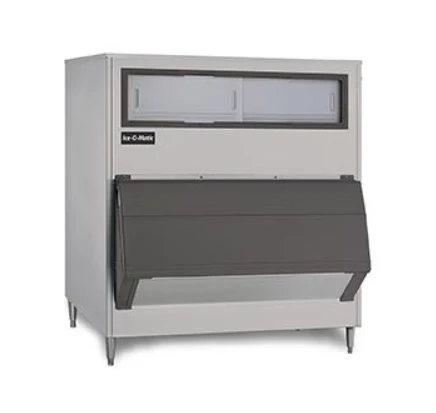

Selecting the right food service equipment is a critical decision for any restaurant, catering business, or foodservice establishment. The equipment you choose can significantly impact your kitchen's efficiency, the quality of your offerings, and your overall success. To help you make informed decisions, this buyer's guide outlines key considerations and tips for selecting the right food service equipment.
Types of Food Service Equipment
Food service equipment covers a wide range of appliances and tools used in co
mmercial kitchens and food preparation areas. Here are some common types:
Cooking Equipment: This category includes ovens, stoves, grills, fryers, and ranges. The choice of cooking equipment depends on the type of cuisine you offer and your menu's diversity.
Refrigeration Equipment: Refrigerators, freezers, and walk-in coolers are essential for storing ingredients and keeping food fresh. Proper refrigeration is crucial to meet food safety regulations.
Food Preparation Equipment: Slicers, dicers, mixers, blenders, and food processors streamline food preparation tasks. Consider the volume of food you need to prepare when choosing these tools.
Food Holding and Warming Equipment: Warmers, hot holding cabinets, and heat lamps maintain the temperature of prepared food until it's ready to serve.
Dishwashing Equipment: Commercial dishwashers and pot washers are essential for maintaining hygiene and reducing labor costs.
Food Display and Merchandising Equipment: This includes food display cases, heated display units, and merchandisers for showcasing prepared items to customers.
Ventilation and Exhaust Systems: Proper ventilation is essential to maintain air quality and prevent the buildup of grease and odors in the kitchen.
Storage and Shelving: Organizational equipment like shelving, racks, and storage containers help keep your kitchen efficient and well-organized.
Key Considerations for Buying Food Service Equipment
When purchasing food service equipment, consider the following factors:
Budget: Set a clear budget before you start shopping. It's essential to balance your equipment needs with your available funds.
Space: Measure your kitchen space to ensure the equipment fits comfortably. Consider workflow efficiency and the location of utilities like gas, water, and electricity.
Energy Efficiency: Look for equipment with energy-efficient features to reduce utility costs and environmental impact.
Quality and Durability: Invest in high-quality, durable equipment. It may cost more initially but will save money on repairs and replacements in the long run.
Regulatory Compliance: Ensure that the equipment you choose complies with local health and safety regulations and meets the necessary certifications and standards.
Brand and Warranty: Choose reputable brands known for quality and reliability. Check for warranties and after-sales support.
Capacity and Throughput: Assess your kitchen's daily requirements to determine the equipment's capacity and production rate.
Ease of Cleaning: Food service equipment should be easy to clean and maintain. Consider materials and design that simplify cleaning.
User-Friendly Features: Look for equipment with user-friendly interfaces and safety features. Training staff on complicated equipment can be time-consuming and costly.
Service and Maintenance: Consider the availability of service and maintenance for the equipment. Quick repairs are essential to minimize downtime.
Tips for Buying Food Service Equipment
Consult with Professionals: Seek advice from kitchen design experts, equipment consultants, or experienced chefs to ensure you make the right choices.
Try Before You Buy: If possible, test the equipment or ask for demonstrations to understand how it operates and if it meets your needs.
Read Reviews: Research equipment online, read reviews from other users, and learn from their experiences.
Plan for Future Growth: Consider future expansion and whether the equipment can accommodate increased production.
Negotiate Terms: When purchasing, negotiate terms like delivery, installation, and warranty coverage.
Choosing the right food service equipment is a pivotal step in running a successful food business. By carefully assessing your needs, budget, and available space and considering factors like energy efficiency and regulatory compliance, you can make informed decisions that enhance your kitchen's efficiency and the quality of your food offerings.


























Sign in to leave a comment.