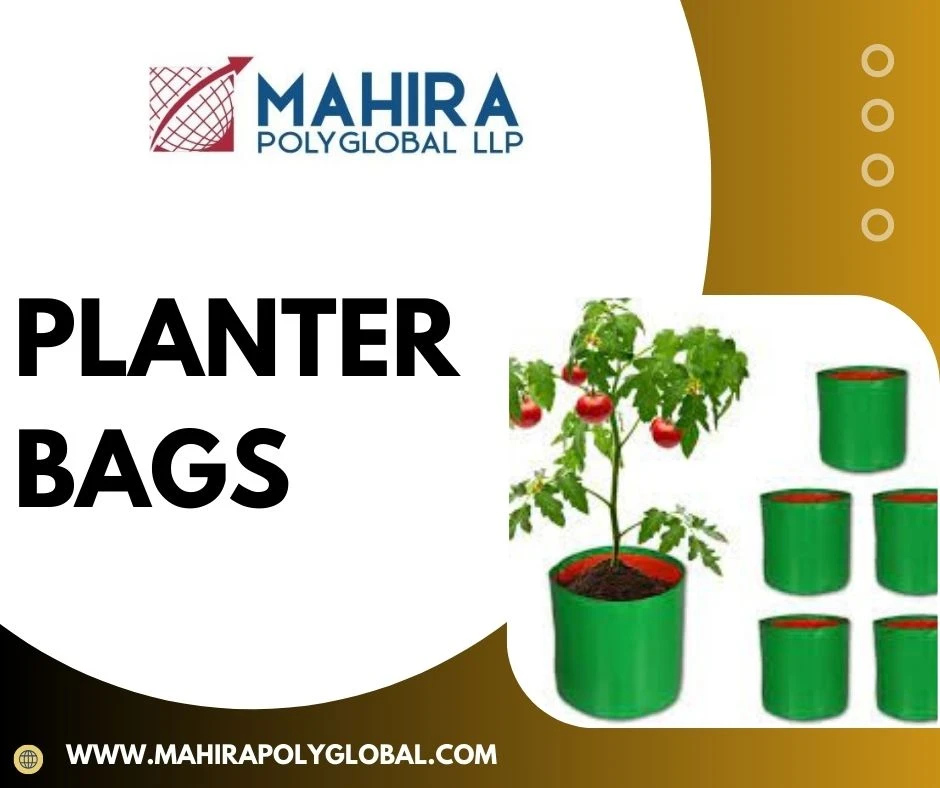

As gardening continues to gain popularity—especially in urban environments, where traditional gardening space is at a premium—planter bags have emerged as a practical solution for growing plants in limited spaces. These versatile devices can make gardening accessible to everyone, whether on a balcony, patio, or small backyard. However, with a plethora of options available, choosing the right Garden bag for planting can be a daunting task. This guide aims to simplify your decision-making process by providing essential factors to consider when selecting planter bags, showcasing their benefits, and addressing frequently asked questions.
Understanding Planter Bags
Planter bags, often referred to as garden bag planters, are specially designed containers made from various materials such as fabric, plastic, or biodegradable substances. These bags allow for efficient airflow and drainage, ensuring that plants have the optimal conditions for growth. Unlike traditional pots, planter bags promote healthy root systems and prevent issues like root rot.
Over the years, several Fabric bag manufacturers have emerged to cater to the growing demand for high-quality planter bags, offering a variety of options suitable for different gardening needs.
Key Factors to Consider When Choosing Planter Bags
1. Material
The material of the planter bag is one of the most crucial factors in determining its effectiveness and durability. Here are the most common materials available:
- Fabric: Fabric planter bags are made from breathable materials like felt or non-woven fabrics. These promote excellent aeration and drainage, making them ideal for growing a wide variety of plants. Fabric bags also allow for superior root pruning, preventing root-bound conditions and enhancing overall plant health.
- Plastic: Plastic bags are typically less expensive and more durable than fabric options; however, they may not offer the same level of breathability and drainage. If you opt for plastic, look for BPA-free, UV-stabilized options designed to withstand the elements.
- Biodegradable: Some planter bags are made from organic materials that break down over time. These are excellent options for environmentally conscious gardeners who wish to minimize their ecological footprint.
2. Size
The size of your planter bags should be guided by the types of plants you intend to grow. Larger plants, such as tomatoes or peppers, will require more space than herbs or small flowers.
- Small Bags (1-3 gallons): Ideal for herbs, lettuce, and small flowering plants.
- Medium Bags (5-10 gallons): Suitable for medium-sized vegetables like cucumbers and small fruit bushes.
- Large Bags (15 gallons and above): Best for larger crops, including tomatoes, peppers, or perennial flowers.
Make sure to consider the number of plants you want and how large you expect them to grow when selecting sizes.
3. Drainage
Proper drainage is vital for plant health, as stagnant water can lead to root rot and fungal issues. Look for planter bags with drainage holes or features that allow excess water to escape. If the bags don’t have built-in drainage, you can easily create holes in the bottom yourself.
4. Durability
The longevity of your planter bags will depend on the material and construction quality. Fabric bags are generally designed for multiple growing cycles, while plastic options may degrade over time. When choosing a supplier, consider whether you’re investing in a one-season wonder or a long-term gardening solution. Established fabric bag manufacturers, like Mahira Polyglobal LLP, offer high-quality and durable products that enhance the gardening experience.
5. Portability
If you anticipate needing to move your plants as seasons change or to take advantage of optimal sunlight, consider the weight and handle system of your planter bags. Fabrics are generally lightweight and more portable, while larger plastic, ceramic, or concrete pots can be cumbersome. Choose designs with handles or grips, making it easier to reposition them as necessary.
6. Aesthetics
While functionality is key, aesthetics should not be ignored. Planter bags come in various colors, designs, and styles that can enhance the visual appeal of your outdoor or indoor space. Choose bags that complement your overall garden design while providing practical benefits.
7. Cost
Consider your budget when choosing planter bags. Prices can vary widely based on size, material, and brand, so it’s essential to compare your options. Investing a little more in high-quality bags may yield better long-term results by enhancing plant health and minimizing replacement costs.
8. Purpose
Different plants have different growing requirements. For instance, if you’re looking to grow root vegetables, choose deeper planter bags that can accommodate their growth. On the other hand, if you’re growing trailing plants or herbs, shallow bags may suffice. Understanding the specific needs of your intended plants will guide you to the right choice.
Benefits of Using Planter Bags
- Space-Saving: Perfect for urban environments with limited gardening space.
- Root Health: Promotes better aeration, drainage, and root management.
- Sustainability: Eco-friendly options are available, minimizing environmental impacts.
- Easy Movement: Planter bags allow for easy relocation of plants, accommodating seasonal adjustments in sunlight and temperature.
- Cost-Effective: Affordable options are often available, and the durability of good-quality bags means they can last through multiple growing seasons.
Conclusion
Choosing the right planter bags for your garden can significantly impact your gardening success. By carefully considering factors such as material, size, drainage, durability, and the specific needs of your plants, you can select Garden bag planters that will enhance your gardening experience. With sustainable options and a variety of designs available, planter bags offer practical solutions for urban gardening enthusiasts. Whether you're a seasoned gardener or a novice, investing in high-quality planter bags will lead to healthier plants and beautiful gardens, no matter the size of your space.
Frequently Asked Questions (FAQs)
1. Can I grow vegetables in planter bags?
Absolutely! Planter bags are perfect for growing a wide variety of vegetables and herbs, including tomatoes, peppers, lettuce, and more.
2. What is the best material for planter bags?
Fabric bags are often considered the best option due to their breathability and excellent drainage; however, high-quality plastic and biodegradable options can also serve well.
3. How do I care for plants in planter bags?
Similar care as traditional pots: ensure adequate watering, sunlight, and soil quality. Monitor drainage, avoid overwatering, and adjust care based on seasonal changes.
4. How long do planter bags last?
The longevity of planter bags varies by material. Fabric bags can last multiple seasons if cared for correctly, while plastic bags may degrade over time with exposure to sunlight.
5. Where can I buy quality garden bags for planting?
Quality planter bags can be found at garden centers, home improvement stores, or through specialized fabric bag manufacturers like Mahira Polyglobal LLP, which offer durable and effective options for any gardener.
Sign in to leave a comment.