
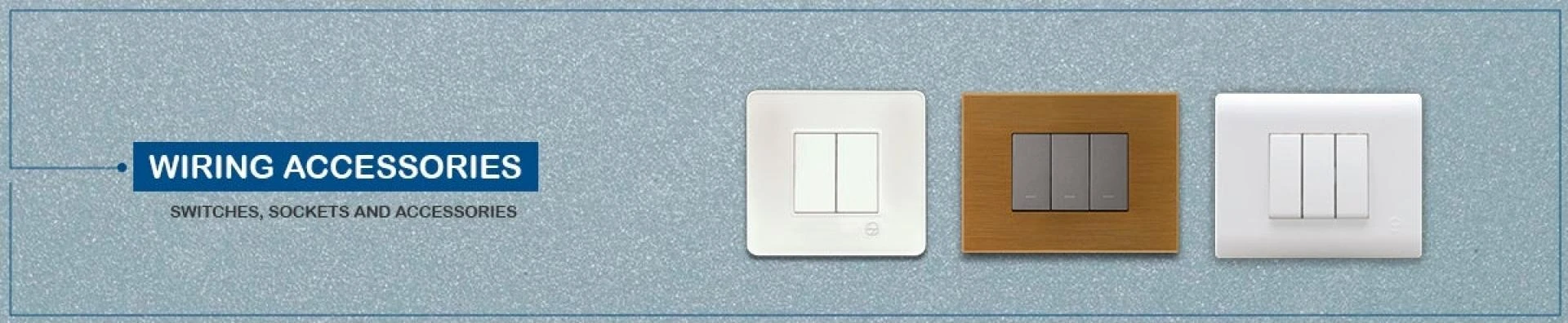
In today\'s digitally-driven world, the concept of home automation has revolutionized the way we interact with our living spaces. Smart electric switches, once a novelty, have now become essential components in creating smart homes. These switches offer convenience, energy efficiency, and enhanced security through their connectivity and automation capabilities. If you\'re considering upgrading to smart electric switches, here are some key features and considerations to help you make an informed choice.
Understanding Smart Electric Switch
Smart electric switches are designed to go beyond the basic function of turning lights on and off. They incorporate wireless connectivity technologies such as Wi-Fi, Bluetooth, or Zigbee, allowing them to communicate with other smart devices and be controlled remotely via smartphone apps or voice commands. This connectivity not only enhances convenience but also enables advanced features like scheduling, energy monitoring, and integration with smart home ecosystems.
Key Features to Consider
- Compatibility and Integration: Before purchasing a smart electric switch, ensure compatibility with your existing smart home ecosystem. Some switches are designed to work seamlessly with popular platforms like Amazon Alexa, Google Assistant, or Apple HomeKit, while others may require a dedicated hub for integration. Choose switches that fit into your preferred ecosystem to avoid compatibility issues.
- Wireless Connectivity Options: The choice of wireless technology (Wi-Fi, Bluetooth, Zigbee) impacts the range, power consumption, and interoperability of smart switches. Wi-Fi switches offer direct internet connectivity and broader compatibility with other devices. Bluetooth switches are energy-efficient and suitable for smaller networks, while Zigbee switches are known for their mesh networking capabilities, ideal for larger homes or buildings.
- Control Methods: Consider how you prefer to control your smart switches. Smartphone apps provide convenient remote access, allowing you to manage lights from anywhere. Voice control via virtual assistants such as Alexa or Google Assistant adds hands-free convenience. Ensure that the switches you choose support your preferred control method to enhance usability and integration with your daily routines.
- Energy Monitoring and Efficiency: Some advanced smart switches offer energy monitoring features, enabling you to track and optimize energy usage. This can help reduce utility bills by identifying energy-intensive devices or scheduling lights to turn off when not in use. Look for switches with energy-saving capabilities if efficiency is a priority for your smart home setup.
- Installation and Retrofitting: Smart electric switches should be easy to install and compatible with standard electrical wiring setups. Most smart switches are designed to replace traditional switches without the need for extensive rewiring or professional installation. However, verify compatibility with your home\'s electrical infrastructure to ensure a smooth installation process.
- Security Features: As with any connected device, prioritize switches with robust security features. Look for switches that offer encryption, secure authentication protocols, and regular firmware updates to protect against cyber threats and safeguard your data. Enhanced security measures ensure peace of mind when integrating smart devices into your home network.
About Lauritz Knudsen Electrical & Automation
Lauritz Knudsen Electrical & Automation has established itself as a prominent name in the realm of smart home technology and electrical solutions. With a rich history spanning decades, the company has built a reputation for innovation, quality, and reliability. Founded on Scandinavian principles of design and functionality, Lauritz Knudsen specializes in developing smart electric switches and automation solutions that cater to modern lifestyles.
The company\'s product lineup includes a diverse range of smart switches equipped with state-of-the-art wireless technologies like Wi-Fi and Zigbee, enabling seamless integration into smart home ecosystems. These switches are designed not only for convenience and ease of use but also to prioritize energy efficiency and security, ensuring a holistic approach to home automation.
Lauritz Knudsen\'s commitment to excellence extends beyond product innovation to customer satisfaction and sustainable practices. By combining Scandinavian design aesthetics with cutting-edge technology, Lauritz Knudsen continues to lead the industry in providing solutions that enhance comfort, efficiency, and security in homes and commercial spaces alike.
Lauritz Knudsen Electrical & Automation remains a trusted choice for homeowners and professionals seeking reliable, intelligent solutions for modern living environments.
Conclusion
Choosing the right smart electric switch involves evaluating various factors such as compatibility, wireless connectivity, control options, energy efficiency, installation ease, and security features. Each of these factors plays a crucial role in enhancing the functionality and usability of your smart home setup. Companies like Lauritz Knudsen Electrical & Automation have established themselves as leaders in smart home technology, offering a range of innovative products designed to meet the diverse needs of homeowners seeking convenience, energy efficiency, and security.
Investing in smart electric switches from reputable manufacturers ensures a seamless transition to a smarter, more connected home environment. By selecting switches that align with your preferences and integrate smoothly into your existing smart home ecosystem, you can enjoy the benefits of enhanced convenience, energy savings, and improved security. Make an informed choice based on the features that matter most to you, and embark on a journey towards a more efficient and enjoyable living space with smart electric switches.








Sign in to leave a comment.