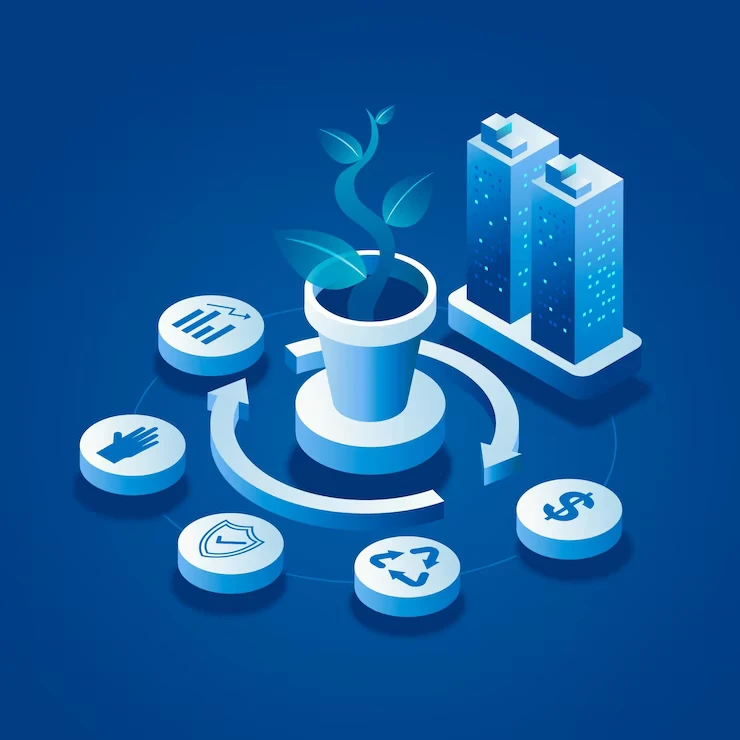

Introduction to Carbon Credit Platforms
Carbon credit platforms are integral components in the global effort to combat climate change. They play a critical role in reducing greenhouse gas emissions by creating a system that incentivizes and facilitates environmentally responsible practices. In this introductory section, we'll explore the fundamental concepts behind carbon credit platforms, their significance, and how they contribute to a more sustainable future.
Understanding Carbon Credits
Carbon credits are tradable permits that represent a specific amount of greenhouse gas emissions, typically measured in metric tons of carbon dioxide equivalent (CO2e). These credits are earned by organizations, projects, or individuals that undertake actions to reduce emissions or sequester carbon from the atmosphere. Common initiatives that generate carbon credits include afforestation (planting trees), energy efficiency projects, and renewable energy installations.
The Carbon Credit Market
Carbon credits are bought and sold in a global marketplace. The market's primary goal is to create economic incentives for entities to reduce their carbon footprint. By purchasing carbon credits, organizations can offset their emissions, effectively "neutralizing" their environmental impact. The credits represent an investment in projects that lead to reduced emissions, contributing to the overall goal of mitigating climate change.
The Role of Carbon Credit Platforms
Carbon credit platforms serve as the infrastructure for trading and managing carbon credits. They connect buyers, typically companies seeking to offset their emissions, with sellers, often project developers or environmental organizations that generate credits through emissions-reduction initiatives. These platforms streamline the trading process, making it more efficient and transparent.
The Significance of Carbon Credit Platforms
The importance of carbon credit platforms lies in their ability to:
Incentivize Climate-Friendly Actions: By providing a financial incentive to reduce emissions and invest in eco-friendly initiatives, carbon credit platforms encourage individuals and organizations to take action in the fight against climate change.Support Sustainable Development: Carbon credit projects often align with sustainable development goals, providing economic benefits to local communities and fostering a green economy.Global Carbon Reduction: These platforms contribute to global efforts to reduce overall greenhouse gas emissions, aiding in achieving international climate agreements and targets.Transparency and Accountability: They ensure transparency and traceability in the carbon credit market, assuring buyers that their investments are making a real impact on emissions reductions.Carbon credit platforms are vital tools in the fight against climate change. They create a market-driven approach to reducing greenhouse gas emissions, incentivizing sustainable practices, and fostering global collaboration in addressing the environmental challenges of our time. In the following sections of this blog, we will delve into the technological aspects of a carbon credit platform development and explore the key considerations for choosing the right technology stack for its development.
The Importance of Choosing the Right Technology Stack for Carbon Credit Platforms
When developing a carbon credit platform, one of the most crucial decisions you'll make is selecting the right technology stack. The technology stack encompasses the combination of programming languages, frameworks, libraries, databases, and tools used to build and maintain your platform. The choice you make here will significantly impact the platform's functionality, scalability, security, and overall success. In this section, we'll delve into the importance of selecting the right technology stack for carbon credit platforms.
1. Scalability and Performance
Carbon credit platforms must handle a vast amount of data and transactions, as they involve trading carbon credits on a global scale. An appropriate technology stack is essential for ensuring the platform can scale seamlessly to accommodate increasing user activity and data volumes. The wrong stack can lead to performance bottlenecks, causing delays and frustrating users.
2. Security and Data Protection
Carbon credit platforms deal with sensitive environmental data and financial transactions. It's crucial to choose a technology stack with robust security features and a strong track record for addressing vulnerabilities. A breach of security can have severe consequences, eroding user trust and potentially leading to financial losses.
3. Integration with External Systems
Carbon credit platforms often need to integrate with various external systems and APIs, such as financial institutions, regulatory bodies, and environmental monitoring tools. Your technology stack should support these integrations seamlessly to ensure data accuracy and regulatory compliance.
4. Real-Time Data Processing
The ability to process and display real-time data is essential for a dynamic carbon credit platform. The technology stack you choose should provide the necessary tools for real-time data processing and analysis, which is vital for both users and regulatory reporting.
5. User Experience and Responsive Design
A user-friendly and responsive platform is critical for attracting and retaining users. The technology stack should allow for the development of a modern, intuitive user interface and responsive design to ensure a smooth user experience across different devices and screen sizes.
6. Maintenance and Support
Selecting a technology stack with good developer support and a robust community can make ongoing maintenance and updates more manageable. A well-maintained stack is less prone to security vulnerabilities and will have a longer lifespan.
7. Cost Efficiency
The cost of building and maintaining a carbon credit platform can vary significantly based on the technology stack you choose. Some technologies may require more extensive development and maintenance resources, which can impact your project's overall cost. It's essential to strike a balance between functionality and cost.
8. Future-Proofing
The technology stack you choose should be adaptable to future developments and changes in the carbon credit market, as well as evolving environmental regulations and industry standards. Flexibility and future-proofing are vital to ensure the long-term viability of your platform.
The choice of technology stack for a carbon credit platform is not just a technical decision; it's a strategic one. The right stack can empower your platform to effectively serve its purpose, ensuring scalability, security, and a positive user experience. On the other hand, the wrong stack can lead to technical challenges, vulnerabilities, and increased development costs. In the upcoming sections, we will explore the key factors to consider when selecting the technology stack for your carbon credit platform.
Factors to Consider Before Selecting a Technology Stack
Choosing the right technology stack for a carbon credit platform is a critical decision that can significantly impact the success of your project. Before making this choice, it's essential to carefully consider several key factors to ensure that your technology stack aligns with your platform's goals and requirements. In this section, we will discuss the factors you should take into account when selecting a technology stack for your carbon credit platform.
1. Project Requirements
Start by clearly defining the specific requirements of your carbon credit platform. Consider factors such as the platform's expected user base, the volume of data it will handle, the complexity of calculations, and the need for real-time data processing. Understanding your project's unique requirements is the foundation for making informed technology stack decisions.
2. Scalability
The ability to scale your platform as it grows is paramount. Assess whether the technology stack you're considering can handle potential increases in users and data without sacrificing performance. Scalability is crucial, as carbon credit platforms may experience rapid adoption and increased data flow.
3. Security
Security is a top concern, especially when dealing with financial and environmental data. Evaluate the security features and track record of the technology stack. Does it have robust authentication and authorization mechanisms? Is it well-maintained to address security vulnerabilities promptly?
4. Data Management
Consider how the technology stack handles data storage and management. Carbon credit platforms deal with large datasets and require efficient database solutions. Evaluate the compatibility of the stack with various database management systems and their scalability options.
5. Integration Capabilities
Carbon credit platforms often need to integrate with external systems, such as financial institutions, regulatory authorities, and environmental monitoring tools. Ensure that the technology stack supports these integrations, providing the necessary APIs and tools to facilitate data exchange.
6. Development Team Expertise
Assess the expertise of your development team in the chosen technology stack. Familiarity with a particular stack can significantly affect development speed and code quality. If your team is already skilled in a specific technology, it may make sense to leverage their expertise.
7. Community and Support
A strong developer community and reliable support are essential. Communities provide resources, libraries, and solutions to common issues. Ensure that the technology stack you choose has an active and supportive community.
8. Cost and Budget
Consider the budget available for your project. Some technology stacks and tools come with licensing fees or require more extensive development resources. Assess the overall cost of development and maintenance when selecting a technology stack.
9. Flexibility and Future-Proofing
Technology evolves rapidly, and the carbon credit market may undergo regulatory changes and shifts in demand. Choose a technology stack that offers flexibility and can adapt to emerging trends and requirements. Avoid solutions that may become obsolete quickly.
10. User Experience
A seamless and responsive user experience is essential for the success of your platform. Consider how the chosen technology stack enables the development of an intuitive user interface and responsive design, ensuring a positive user experience.
11. Regulatory Compliance
Carbon credit platforms must adhere to environmental and financial regulations. Ensure that the technology stack facilitates compliance with the necessary regulatory requirements.
12. Testing and Quality Assurance
Evaluate the availability of testing and quality assurance tools for the chosen stack. Rigorous testing is vital for maintaining the reliability and accuracy of your platform.
Selecting the right technology stack for a carbon credit platform is a strategic decision that should align with your project's specific needs and objectives. Thoroughly assess these factors to make an informed choice that empowers your platform to succeed in the dynamic and critical field of carbon credit trading. In the following sections, we will explore the core features of a carbon credit tokenization platform and the technologies that can be employed for its development.
Core Features of a Carbon Credit Platform
A successful carbon credit platform should offer a comprehensive set of features to meet the needs of its users, whether they are project developers, buyers, sellers, or regulators. These features play a crucial role in enabling the efficient trading, monitoring, and management of carbon credits. In this section, we'll outline the core features that a well-developed carbon credit platform should include:
User Registration and Profiles:User registration and profile creation for project developers, buyers, sellers, and other stakeholders.User authentication and authorization mechanisms to ensure data security.Carbon Credit Listing:The ability for project developers to list carbon credits generated from emissions reduction projects.Detailed information on each credit, including project details, methodology, and issuance history.Marketplace and Trading:A marketplace where buyers can browse and purchase carbon credits from various projects.Secure and transparent transaction processing with options for trading contracts.Real-time pricing and trading data for carbon credits.Credit Verification and Validation:Mechanisms for verifying the authenticity and quality of carbon credits through standardized protocols and methodologies.Integration with accredited third-party verifiers or in-house verification processes.Data Analytics and Reporting:Tools for analyzing historical and real-time data, helping users make informed decisions.Reporting features that allow users to generate compliance reports and track their environmental impact.Integration with External Systems:Interfaces and APIs for seamless integration with external systems, such as financial institutions and environmental monitoring tools.Data synchronization and real-time data exchange capabilities.User Support and Help Center:User support features, including FAQs, documentation, and customer support channels.A user-friendly help center to assist users with common queries and issues.These core features are essential for a robust and user-friendly carbon credit platform. Their implementation should be guided by the specific needs and goals of your platform, considering the requirements of different user groups and the regulatory landscape in which the platform operates. In the following sections, we will explore the technologies and considerations for building these features into your carbon credit platform.
Conclusion
Selecting the right technology stack and understanding the core features of a carbon credit platform are fundamental steps toward building a successful and impactful platform in the realm of environmental sustainability. A well-designed carbon credit platform can play a pivotal role in encouraging responsible carbon emissions management and advancing global efforts to combat climate change.
In this blog, we've highlighted the importance of choosing the right technology stack, emphasizing how it can affect scalability, security, performance, and the overall user experience of your platform. We've also discussed the key factors to consider before making your technology stack selection, including project requirements, scalability, security, data management, and more.
Moreover, we explored the essential core features that a carbon credit platform should encompass. These features, ranging from carbon credit listing and trading to data analytics, environmental impact tracking, and compliance, are essential to create a thriving marketplace where users can confidently participate in emissions reduction initiatives and carbon credit trading.
As the world continues to grapple with the pressing challenges of climate change, carbon credit platforms offer a practical solution to incentivize and track environmental sustainability efforts. By providing a transparent and efficient marketplace for the exchange of carbon credits, these platforms bridge the gap between environmentally conscious project developers and organizations looking to offset their carbon footprint. They also support regulatory compliance and enhance transparency in the carbon credit market.
Building a carbon credit platform is not only a technological endeavor but also a commitment to global environmental sustainability. It requires careful planning, a deep understanding of regulatory landscapes, and a strategic choice of technology stack. The technology stack should enable the platform to grow, ensure data security, and provide a positive user experience, ultimately contributing to the collective goal of reducing carbon emissions and preserving our planet.
In this evolving landscape, the choices made during the development of a carbon credit platform can have a lasting impact on the fight against climate change. By focusing on the factors mentioned in this blog and incorporating the core features we've outlined, you can create a platform that not only supports the carbon credit market but also advances our journey toward a more sustainable and environmentally responsible future.










Sign in to leave a comment.