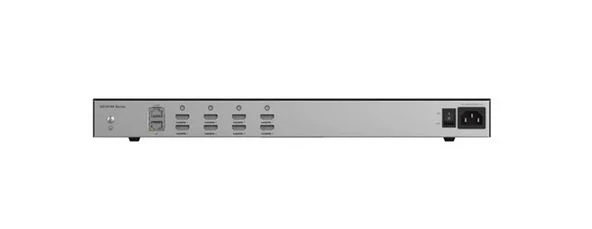
Modern organizations rely heavily on reliable and secure network infrastructure to support daily operations. Network switches are essential components that allow devices such as computers, servers, and printers to communicate efficiently within a network. Proper Cisco switch management plays a critical role in maintaining network performance, security, and scalability.
Cisco switches are widely used in enterprise environments due to their reliability and advanced features. However, managing these devices requires careful configuration, monitoring, and maintenance. Effective switch management ensures that the network operates smoothly while minimizing downtime and potential security risks.
Cisco switch management typically involves tasks such as configuration, traffic monitoring, firmware updates, and performance optimization. Network administrators use management tools and command-line interfaces to control how switches handle data traffic and maintain secure communication between devices.
Importance of Cisco Switch Management
Efficient management of network switches helps organizations maintain a stable and high-performing network environment. One of the main advantages of Cisco switch management is improved network visibility. Administrators can monitor traffic flow, detect unusual activity, and identify performance issues before they affect business operations.
Another benefit is enhanced network security. Proper switch configuration helps control access to the network by defining which devices can connect and what resources they can use. Security features such as port security, VLAN segmentation, and access control lists help protect the network from unauthorized access.
Cisco switch management also supports better resource utilization. Network administrators can prioritize critical traffic, manage bandwidth usage, and ensure that important applications receive sufficient network resources. This improves the performance of business systems such as communication platforms, cloud services, and internal applications.
Scalability is another advantage of proper switch management. As organizations grow, their network infrastructure must adapt to support additional devices and higher data traffic. Cisco switches allow administrators to expand network capacity while maintaining consistent performance and control.
Key Features of Cisco Switch Management
Cisco switches include a variety of management features that help administrators maintain efficient network operations. One of the most important features is VLAN configuration. Virtual Local Area Networks allow administrators to segment the network into smaller logical groups, improving both performance and security.
Another important feature is Quality of Service (QoS). QoS allows network administrators to prioritize specific types of traffic such as voice, video, or critical applications. By assigning priority levels, organizations can ensure that important data receives faster and more reliable transmission.
Remote management capabilities are also a valuable feature. Network administrators can monitor and configure Cisco switches from remote locations using secure protocols and management platforms. This flexibility allows IT teams to respond quickly to network issues without needing to be physically present at the device location.
Monitoring and logging functions are also essential. These tools provide insights into network activity and performance. Logs help administrators track system events, troubleshoot connectivity issues, and maintain compliance with organizational policies.
Best Practices for Managing Cisco Switches
To maintain a stable network environment, organizations should follow several best practices for Cisco switch management. One important step is keeping switch firmware and software up to date. Regular updates help address security vulnerabilities and improve system stability.
Another best practice is implementing strong access control. Network administrators should restrict management access to authorized personnel only. Using secure authentication methods and encrypted connections helps prevent unauthorized changes to switch configurations.
Regular monitoring is also essential. Network administrators should continuously review performance metrics and system logs to identify potential issues early. This proactive approach helps reduce downtime and ensures smooth network operation.
Documentation is another important aspect of switch management. Maintaining clear records of network configurations, device settings, and changes helps IT teams troubleshoot issues more effectively and maintain consistency across the network.
Maintaining Reliable Network Infrastructure
Cisco switch management is a critical part of maintaining a reliable and secure network environment. With proper configuration, monitoring, and maintenance, organizations can ensure their network infrastructure supports daily operations without interruption.
As businesses continue to rely on digital systems and connected devices, the importance of efficient network management will only increase. By implementing effective Cisco switch management strategies, organizations can maintain stable connectivity, improve security, and support future growth.



























Sign in to leave a comment.