

Keeping a home clean sounds simple until you start arranging it. Should you book a one-time visit or a regular schedule? Does your apartment need a deep clean first? What should a written quote include? Homeowners and tenants looking at cleaning services in Ras Al Khaimah often face these questions before they have even compared providers.
This guide walks through the practical side of the decision. You will learn how to assess your home’s needs, understand the main types of cleaning, choose a provider with confidence, and prepare for a visit so the time is used well.
Understanding Your Home’s Cleaning Needs
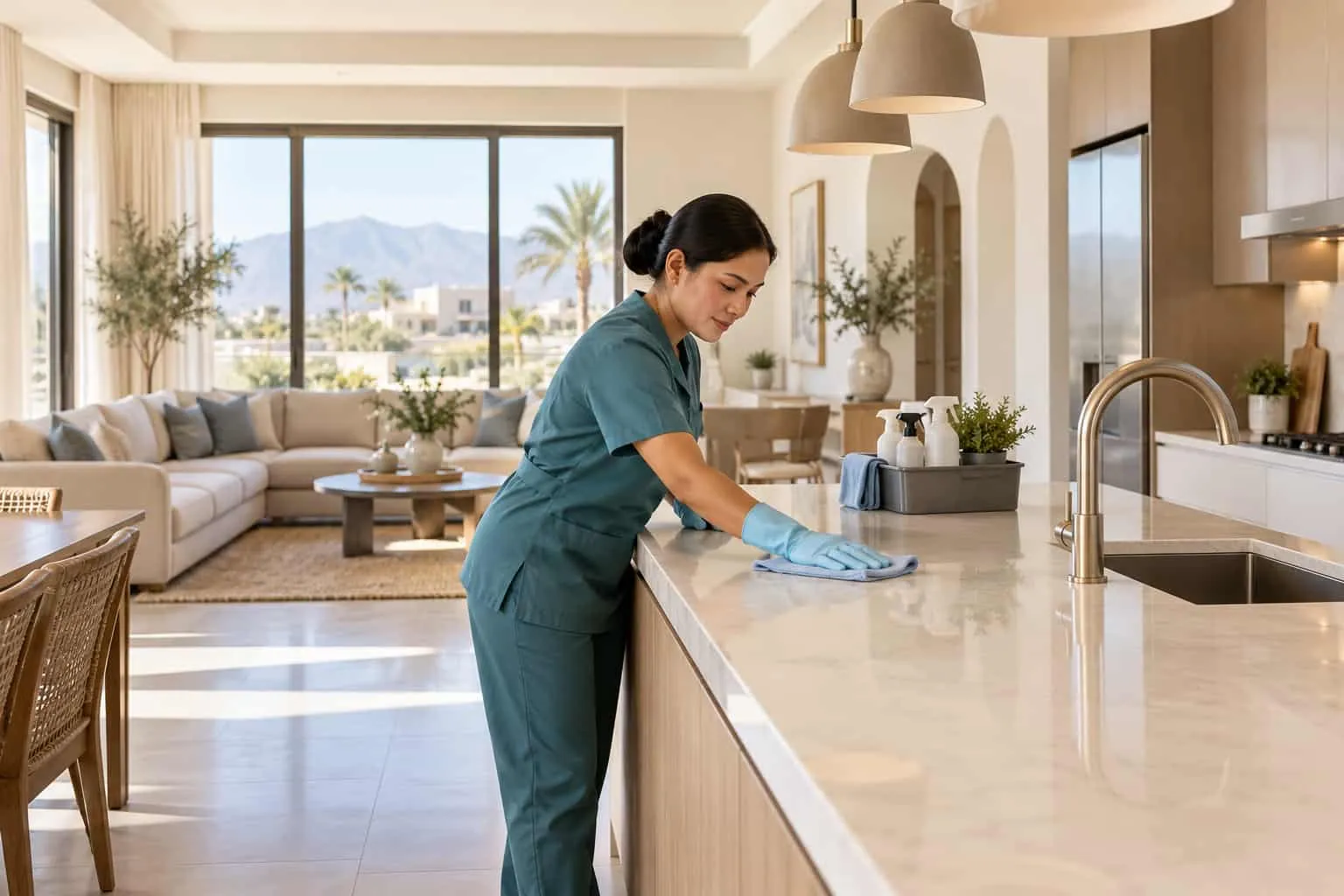
Before contacting anyone, take a few minutes to describe your home as it actually is. A clear picture helps you ask better questions and compare quotes fairly.
Property size and layout. A one-bedroom apartment and a five-bedroom villa need very different amounts of time. Layout matters too: multiple floors, large glass doors, long staircases, and several bathrooms all add work.
Occupancy. A household of six generates more daily wear than a single person who is out most of the day. More people usually means more laundry areas in use, more kitchen activity, and more floor traffic.
Pets. Pet hair collects on sofas, rugs, and floor edges, and pet bedding or litter areas may need extra attention. If you have pets, mention it when you ask for a quote.
Daily routines. A home where meals are cooked every day will need more kitchen attention than one used mainly for sleeping. If you work from home, your desk area and living room may need more frequent care.
Current condition. Be honest about when the home was last thoroughly cleaned. A home cleaned weekly needs a different approach from one that has not had a full clean in months.
Apartments and villas each have their own considerations. Apartments often have compact kitchens and bathrooms where grease and soap residue build up quickly. Villas may include outdoor entrances, patios, multiple living areas, and more windows. Neither is better or worse. The right plan depends on how you use the space, not on where it is.
Common Types of Home Cleaning
Most providers organise their offerings into a few broad categories. Names and inclusions differ, so always ask for the specific task list.
Regular cleaning. This is routine home cleaning: dusting, vacuuming, mopping, wiping kitchen surfaces, and cleaning bathrooms. It keeps a home that is already in decent condition from falling behind. Many households book it weekly, fortnightly, or monthly.
Deep cleaning. A deep clean goes beyond the surface. It typically covers areas that routine visits skip, such as inside kitchen cabinets, behind appliances, grout lines, door frames, and built-up residue on fixtures. It is often booked before a regular schedule begins, or once or twice a year as a reset.
Move-in or move-out cleaning. An empty property is easier to clean thoroughly because there is no furniture in the way. Tenants often book move-out cleaning to leave the home in good condition for a handover inspection. New residents may book move-in cleaning so they can unpack into a fresh space. Check your tenancy agreement to see what condition the landlord expects.
Specialist tasks. Some jobs are commonly priced or scheduled separately, including:
- Upholstery and sofa cleaning
- Carpet or rug cleaning
- Exterior or high-rise window cleaning
- Mattress cleaning
- Oven or appliance deep cleaning
If any of these matter to you, ask whether they are included or need a separate booking.
Regular Cleaning vs. Deep Cleaning
These two services are often confused. The table below shows the usual differences, though the exact scope varies by provider.
| Regular Cleaning | Deep Cleaning | |
| Purpose | Maintain a home that is already in reasonable condition | Reset a home or tackle built-up dirt in hard-to-reach areas |
| Typical tasks | Dusting, vacuuming, mopping, wiping surfaces, cleaning kitchen and bathrooms | All regular tasks plus detailed work on grout, cabinets, appliances, fixtures, and skirting boards |
| Suitable situations | Weekly or fortnightly upkeep; busy households; homes cleaned recently | First-time cleaning, seasonal refreshes, after renovation, before or after moving, or when routine cleaning has lapsed |
| Time required | Usually shorter | Usually longer, depending on condition |
Treat this as a general guide rather than a standard. One provider’s “regular” visit might include wiping the inside of the microwave, while another’s does not. Always compare written task lists, not just service names.
Practical Cleaning Considerations in Ras Al Khaimah
Every home is different, but some everyday conditions are common to this part of the UAE and worth planning around.
Dust through doors and windows. Fine dust can enter through door gaps, window frames, and balcony doors, especially when they are opened often. Window sills, ledges, and the tops of furniture near openings may collect dust faster than other surfaces. A quick wipe of these areas can make a noticeable difference.
Sand brought indoors. Sand and grit can arrive on shoes and clothing, particularly after time outdoors. Over time, it can scratch certain floor finishes if swept around carelessly. A doormat at the entrance and a shoe rack nearby cut down what travels further inside.
Frequently used rooms. Entrances, kitchens, living rooms, and bathrooms get the most use, so they tend to need attention more often than guest rooms or storage areas. Prioritising these spaces is a sensible way to spend limited cleaning time.
These are general observations, not guarantees. A top-floor apartment, a ground-floor villa, and a home near open land may all face different conditions, so describe your own situation when speaking with providers.
How to Choose a Cleaning Provider
A clear process helps you compare options without guesswork. Look for these points:
- A written task list. It should state what is included for each room, so there are no surprises on the day.
- Recent customer feedback. Read recent reviews on independent platforms where possible, and look for comments about punctuality, communication, and consistency rather than just star ratings.
- A clear quote. The quote should state what it covers, the visit duration or scope, and any extra charges for specialist tasks.
- Supplies and equipment. Ask whether the team brings its own products and tools or whether you need to provide them. If you have preferences or sensitivities, say so in advance.
- Surface care. Natural stone, hardwood, glass, and delicate finishes need appropriate products. Ask how the provider handles different surfaces.
- Scheduling. Check availability, how far ahead you must book, and how rescheduling or cancellation works.
- Reporting policies. Find out how to report damage, missed tasks, or concerns, and how the provider responds. A clear process matters more than promises that nothing will ever go wrong.
If a provider cannot give straightforward answers to these questions, that tells you something useful.
What Affects the Cleaning Quote?
Quotes vary because the work varies. Prices differ between providers, and a lower or higher number does not automatically mean better or worse. Instead of focusing only on the total, understand what drives it:
- Property size. More rooms and more floor area generally mean more time.
- Condition. A home with heavy build-up needs more effort than one that is regularly maintained.
- Service scope. A basic tidy and a detailed deep clean are very different jobs.
- Frequency. Some providers structure their rates differently for one-time and recurring bookings.
- Specialist tasks. Upholstery, carpets, exterior windows, and appliance interiors are often added on top.
- Access and logistics. Multiple floors, parking, or restricted access can affect how a job is planned.
When comparing quotes, line up the same scope side by side. Two quotes for “cleaning” may cover very different tasks.
How to Prepare for a Cleaning Visit
A little preparation helps the team work efficiently and helps you get the result you want. Use this checklist:
- Remove clutter. Clear countertops, floors, and surfaces of loose items so they can be cleaned properly.
- Secure valuables. Put away jewellery, cash, documents, and fragile or sentimental items.
- Explain your priorities. If the kitchen and bathrooms matter most, say so. Mention any areas you want skipped.
- Identify delicate surfaces. Point out natural stone, antique furniture, or finishes that need gentle treatment.
- Arrange access. Confirm how the team will enter, whether through you, a building manager, or a key arrangement.
- Manage pets. Keep pets in a separate room or arrange for them to be elsewhere during the visit.
- Note any known issues. Mention stubborn stains, existing damage, or items already broken so they are recorded beforehand.
Taking photos of any existing damage before the visit is a simple way to avoid confusion later.
Maintaining Your Home Between Visits
Professional cleaning goes further when daily habits support it. These small routines are realistic for most households:
- Floors. Sweep or vacuum high-traffic areas every few days, and keep a doormat at each entrance.
- Kitchens. Wipe counters and the stovetop after cooking, and clean up spills promptly before they dry.
- Bathrooms. A quick wipe of sinks and mirrors, and leaving the room ventilated after showers, helps limit residue and moisture build-up.
- Frequently touched surfaces. Door handles, light switches, remote controls, and phone surfaces can be wiped regularly with a cloth and a suitable cleaner. Always follow the manufacturer’s instructions on the product label, and never mix different cleaning products.
- Windows and sills. Dust sills and window tracks occasionally so build-up does not become hard to remove.
You do not need to do everything daily. Choosing two or three habits that suit your routine is more sustainable than an ambitious plan you drop after a week.
Frequently Asked Questions
How often should I book cleaning?
It depends on your household. Busy families, homes with pets, or properties used heavily may suit weekly or fortnightly visits. A smaller household with fewer demands might manage with monthly cleaning plus occasional deep cleans. Start with a schedule that matches your needs, then adjust after a few visits.
Do I need to provide cleaning supplies?
It varies by provider. Some bring their own products and equipment, while others ask you to supply certain items or use specific products on request. Confirm this when booking, and mention any product preferences or sensitivities.
How long does a cleaning visit usually take?
Duration depends on property size, condition, and the tasks included. A routine visit to a small apartment may take considerably less time than a deep clean of a large villa. Ask the provider for an estimated time based on your description, and understand that heavily soiled areas may take longer.
Do I need to be home during the visit?
Not always. Some providers are comfortable working while you are out, provided access is arranged, while others prefer someone present, especially on a first visit. If you will be away, ask about their access and key-handling policies. Being home for the first visit can also help you walk through your priorities in person.
Conclusion
The best approach to home cleaning starts with understanding your own space. Think about your property’s size, who lives there, and how it is used, then match that to the right service: regular cleaning for upkeep, deep cleaning for a reset, or move-in and move-out cleaning for a transition.
When you compare providers, ask for written task lists, clear quotes, and straightforward policies on supplies, scheduling, and problem reporting. Prepare your home before each visit, and keep up a few simple habits between visits. That combination tends to deliver better results than any single service on its own.






















Sign in to leave a comment.