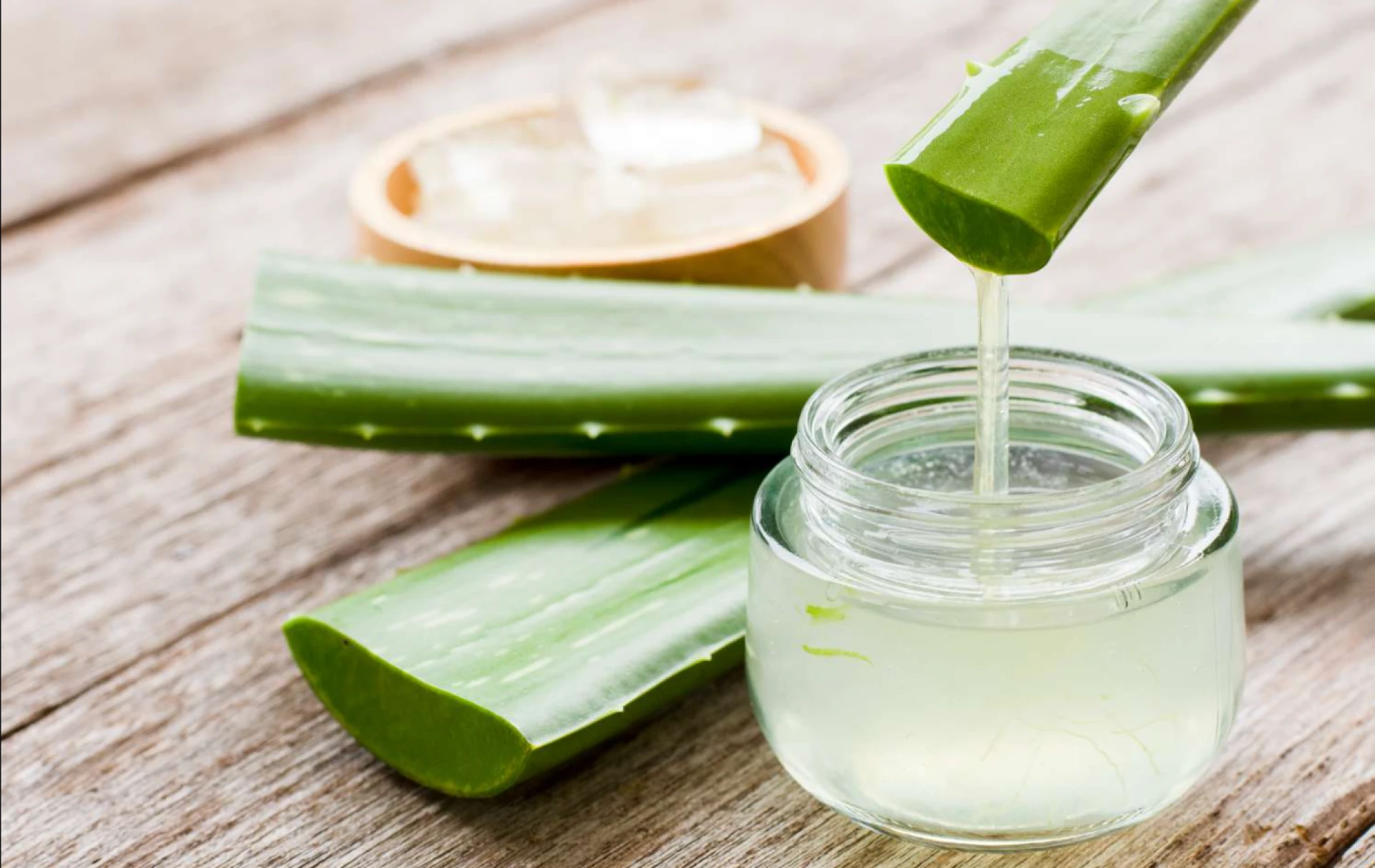

Acne is one of the most common skin concerns, affecting people of all ages—not just teenagers. Whether you're dealing with hormonal breakouts, stress-related blemishes, or maskne (mask-related acne), finding a gentle, effective solution is key. And nature might already have the answer: aloe vera.
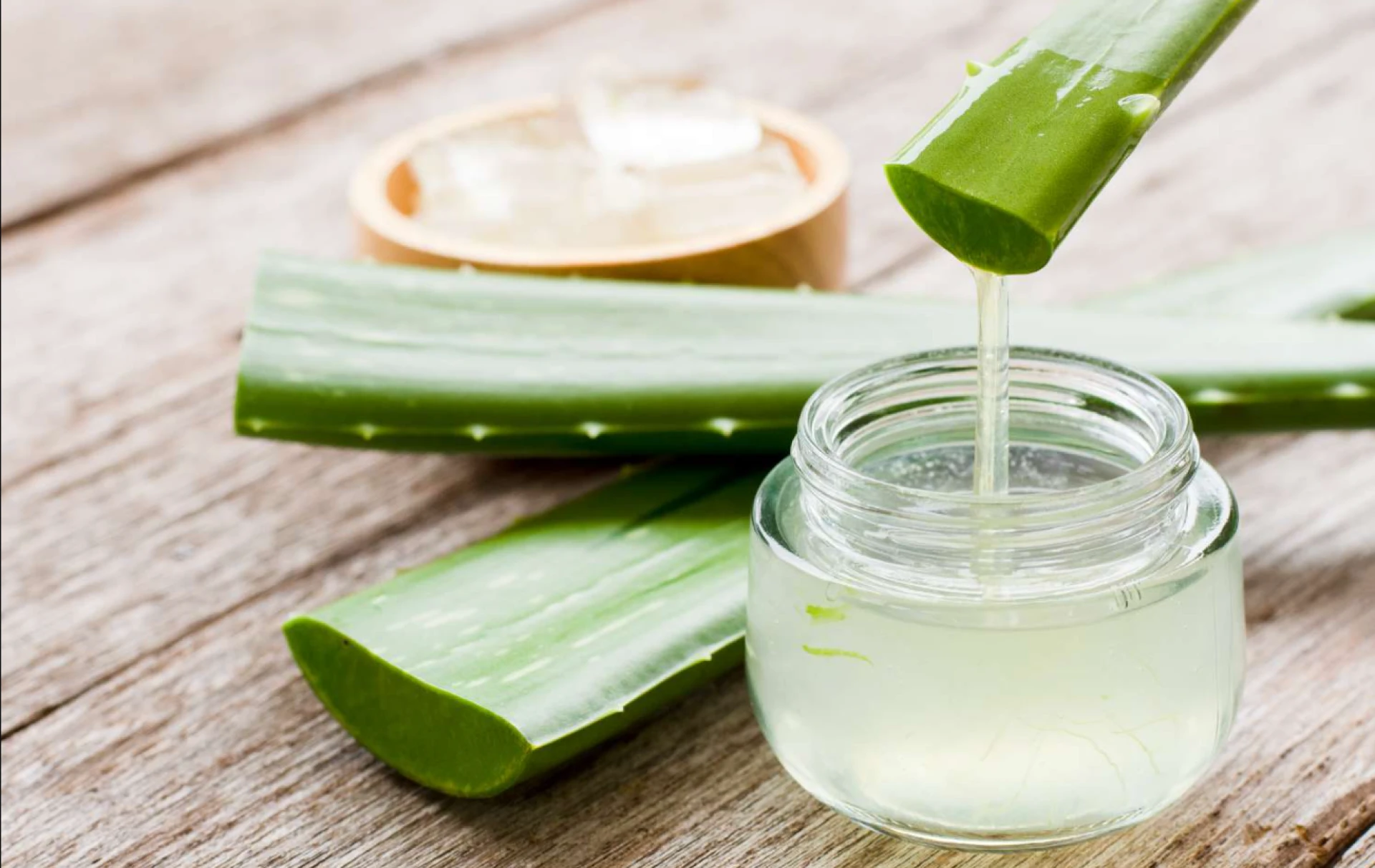
Known for its calming, cooling properties, aloe vera leaf juice offers more than just sunburn relief. It’s a powerful, plant-based treatment that tackles acne at the root—without the harsh chemicals that can irritate sensitive skin.
1. Anti-Inflammatory Action for Calmer Skin
Acne is essentially inflammation, often triggered by clogged pores, bacteria, or hormonal shifts. Aloe vera is rich in compounds like gibberellins and polysaccharides, which help reduce redness, swelling, and irritation. Applying aloe to active breakouts can significantly calm inflamed areas and support faster healing.
Its natural anti-inflammatory benefits make it ideal for sensitive or acne-prone skin that reacts to conventional treatments.
2. Natural Antibacterial Power
Bacteria particularly Propionibacterium acnes play a major role in the formation of acne. Aloe vera contains salicylic acid and sulfur, both of which have antimicrobial properties. These help kill acne-causing bacteria on the skin’s surface while keeping pores clear and healthy.
What’s more, aloe doesn’t strip the skin’s natural moisture barrier like some chemical cleansers, making it a gentle option for daily use.
3. Gentle Exfoliation Without Over drying
Unlike abrasive scrubs, aloe vera provides natural exfoliation that helps slough off dead skin cells, preventing clogged pores and future breakouts. Its light exfoliating effect promotes skin renewal, giving your complexion a smoother and more even texture over time.
If your skin gets irritated by traditional exfoliants or acids, aloe vera can offer a balanced, non-irritating alternative.
4. Hydration That Won’t Clog Pores
Many people with acne-prone skin are hesitant to use moisturizers but skipping hydration can actually make acne worse. Dehydrated skin produces more oil to compensate, which leads to more clogged pores.
Aloe vera leaf juice is incredibly hydrating, yet lightweight and non-comedogenic. It delivers water-rich moisture without greasiness, making it perfect for oily and breakout-prone skin types.
5. Fades Post-Acne Marks and Scarring
Aloe vera also helps repair damaged skin and fade post-inflammatory hyperpigmentation (those stubborn dark spots left behind after breakouts). Its vitamin-rich profile including vitamins C and E supports skin regeneration, helping to restore a clearer, more even-toned complexion.
For a full breakdown of how aloe vera benefits the skin beyond just acne, check out our guide on the benefits of aloe vera leaf juice.
How to Use Aloe Vera for Acne Relief
- Spot Treatment: Apply pure aloe vera gel directly to blemishes to calm inflammation.
- Daily Moisturizer: Use an aloe-based moisturizer or serum morning and night.
- Face Mask: Combine aloe with ingredients like tea tree oil or honey for a weekly purifying mask.
- Aftercare: Use post-extraction or after harsh treatments to soothe skin and speed up healing.
Final Thoughts
When it comes to acne, gentle and consistent care is essential and aloe vera delivers both. With its natural ability to reduce inflammation, fight bacteria, hydrate skin, and promote healing, aloe vera is a must-have in any clear-skin routine.
Say goodbye to harsh, drying products and hello to the calming, clarifying power of nature. To learn more about the full benefits of aloe vera leaf juice and how it can transform your skincare routine, read our in-depth article.


























Sign in to leave a comment.