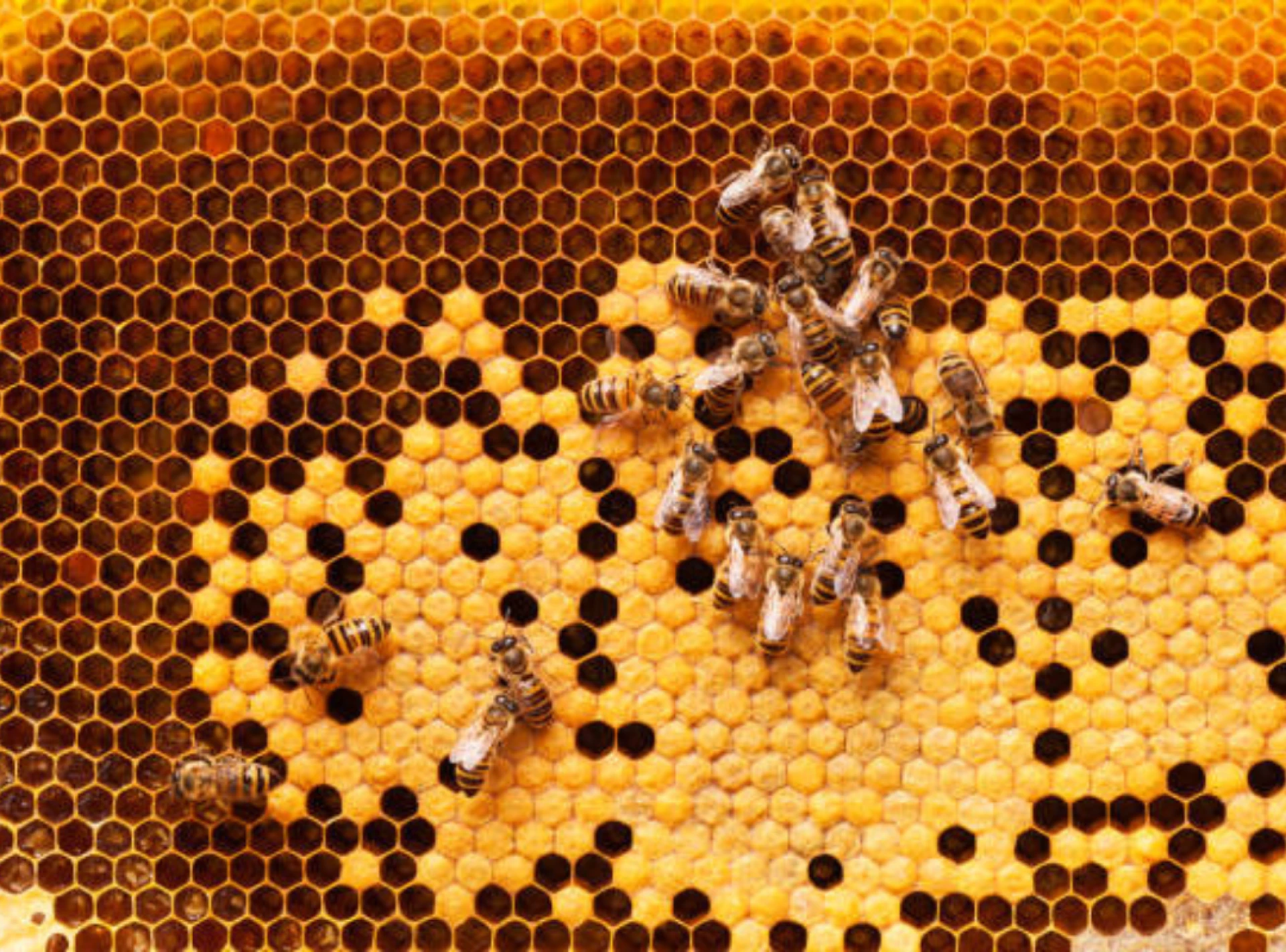
Bees play a critical role in maintaining ecological balance through pollination, ensuring the growth of plants and the production of food. However, their behaviors, particularly nesting patterns, are profoundly influenced by environmental changes. The intricate connection between climate change and bee nesting has become a pressing concern for ecologists, farmers, and environmentalists alike. Rising temperatures, unpredictable weather, and habitat loss are reshaping how bees nest, threatening their survival and, in turn, ecosystems worldwide. This article explores the various ways climate change impacts bee nesting and examines the broader implications for biodiversity, food security, and sustainable agriculture.
Understanding Bee Nesting Patterns
Bee nesting is a complex process influenced by environmental factors, including temperature, availability of food sources, and habitat conditions. Bees, whether solitary or social, depend on stable climates to construct and maintain their nests effectively. Changes in temperature and precipitation disrupt these cycles, leading to alterations in nesting behaviors.
For instance, solitary bees, which build their nests in soil or hollow plant stems, are highly sensitive to fluctuations in soil temperature. Similarly, social species like honeybees and bumblebees face challenges in maintaining hive temperatures due to erratic weather patterns. These disruptions ultimately affect their ability to reproduce, forage, and survive.
How Climate Change Impacts Bee Nesting
Rising Temperatures and Nesting Habits
One of the most significant effects of climate change on bees is the rise in global temperatures. Bees regulate their nest temperatures to ensure the survival of larvae. Extreme heat can cause overheating, making it difficult for colonies to maintain stable conditions. For solitary bees, higher soil temperatures may render their nesting sites inhospitable.
Moreover, climate-induced changes can lead to shifts in the availability of floral resources. With flowers blooming earlier or later than usual, bees might struggle to align their nesting and foraging periods, creating a mismatch that disrupts their lifecycle.
Changes in Precipitation Patterns
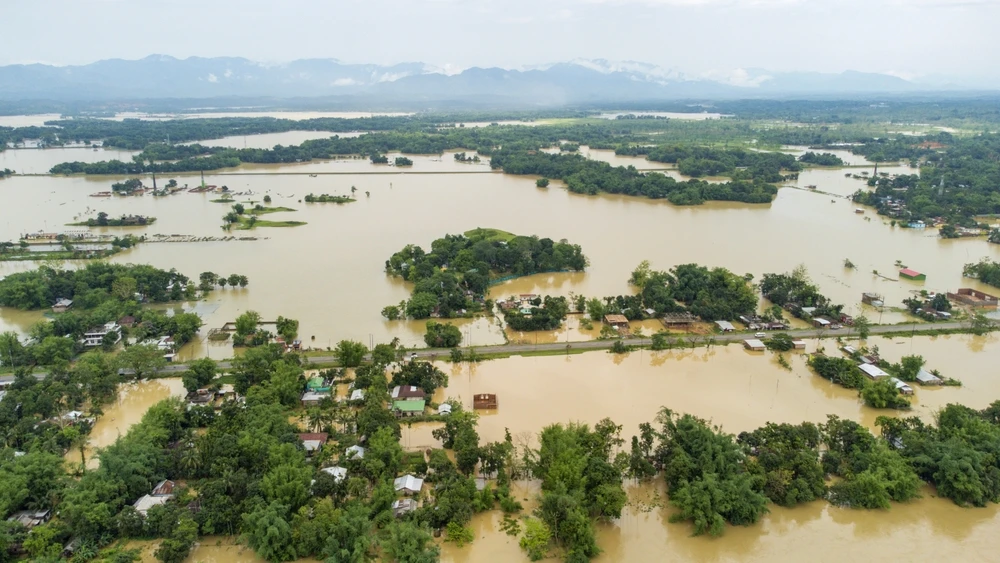
Unpredictable rainfall patterns caused by climate change also influence bee nesting. Heavy rains can flood ground-nesting sites, while prolonged droughts reduce the availability of materials like mud, which some bees use to build nests. These shifts not only threaten bee populations but also have cascading effects on plants that depend on them for pollination.
Additionally, erratic precipitation impacts the growth of vegetation that serves as both a food source and a habitat for bees. Reduced vegetation cover means fewer options for nesting and shelter, pushing some species closer to the brink of extinction.
Role of Seasonal Changes in Bee Nesting
Impact on Nesting Cycles
Seasonal changes have always guided bee behaviors, particularly in temperate regions. Climate change, however, has disrupted these cycles, making it harder for bees to adapt. Earlier springs and prolonged winters confuse the natural timing of nesting and foraging.
As bees emerge from hibernation or diapause, they may find that their usual nesting sites are unavailable due to environmental shifts. This misalignment threatens their ability to establish colonies and reproduce effectively.
Responsible Practices for Managing Bee Hives Seasonally
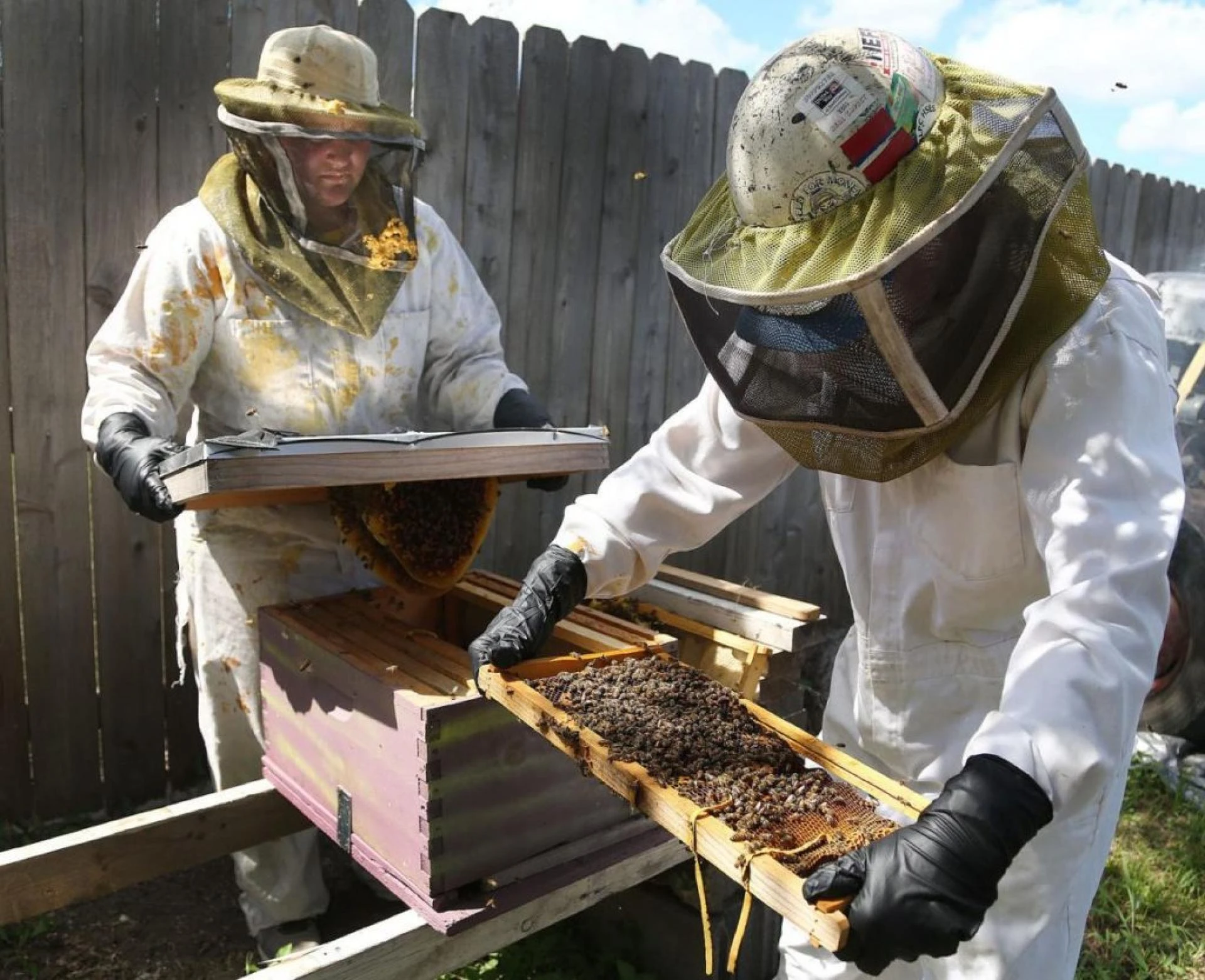
Bee hives, particularly those of honeybees, often require management during seasonal transitions. Practices like bee hive removal during seasonal changes must account for the natural cycles of bee activity and nesting. For instance, relocating a hive too early or late in the season can disrupt the colony's preparation for hibernation or active periods.
Proper hive management, especially in regions experiencing climate variability, ensures that bees have a safe and suitable environment to thrive. Homeowners and professionals must consider these factors when dealing with hives to avoid further stress on already vulnerable bee populations.
Mitigating the Effects of Climate Change on Bee Nesting
Conservation of Habitats
Preserving and restoring natural habitats is one of the most effective ways to support bee populations. Planting native flowering plants, creating nesting sites, and protecting wild areas help bees adapt to changing environments. Urban gardens and green roofs can also serve as refuges for bees facing habitat loss.
Additionally, reducing pesticide use and promoting organic farming practices provide bees with safer environments to nest and forage. Sustainable agricultural practices play a vital role in ensuring bees can continue their essential work as pollinators.
Supporting Research and Policies
Scientific research is crucial for understanding the relationship between climate change and bee nesting. By studying how different species respond to environmental changes, researchers can develop targeted conservation strategies. Governments and organizations must also enact policies that mitigate climate change and protect pollinator habitats.
Increased awareness and community involvement are vital in this effort. From participating in local conservation projects to supporting legislation, everyone can contribute to creating a better future for bees.
Why Protecting Bee Nesting Matters
The link between bee nesting and ecosystem health cannot be overstated. Bees are primary pollinators for many crops and wild plants, making their survival critical for food security and biodiversity. Disruptions to nesting patterns caused by climate change ripple through entire ecosystems, affecting not just bees but also humans and other wildlife.
Efforts to combat climate change must consider the needs of pollinators, as their well-being is intricately tied to our own. By protecting bee nesting patterns, we take a crucial step toward sustaining life on our planet.
Conclusion
The connection between climate change and bee nesting patterns highlights the delicate balance of nature. Bees are resilient creatures, but their survival depends on stable environmental conditions. As climate change continues to reshape ecosystems, addressing its impact on bee nesting becomes a priority.







Sign in to leave a comment.