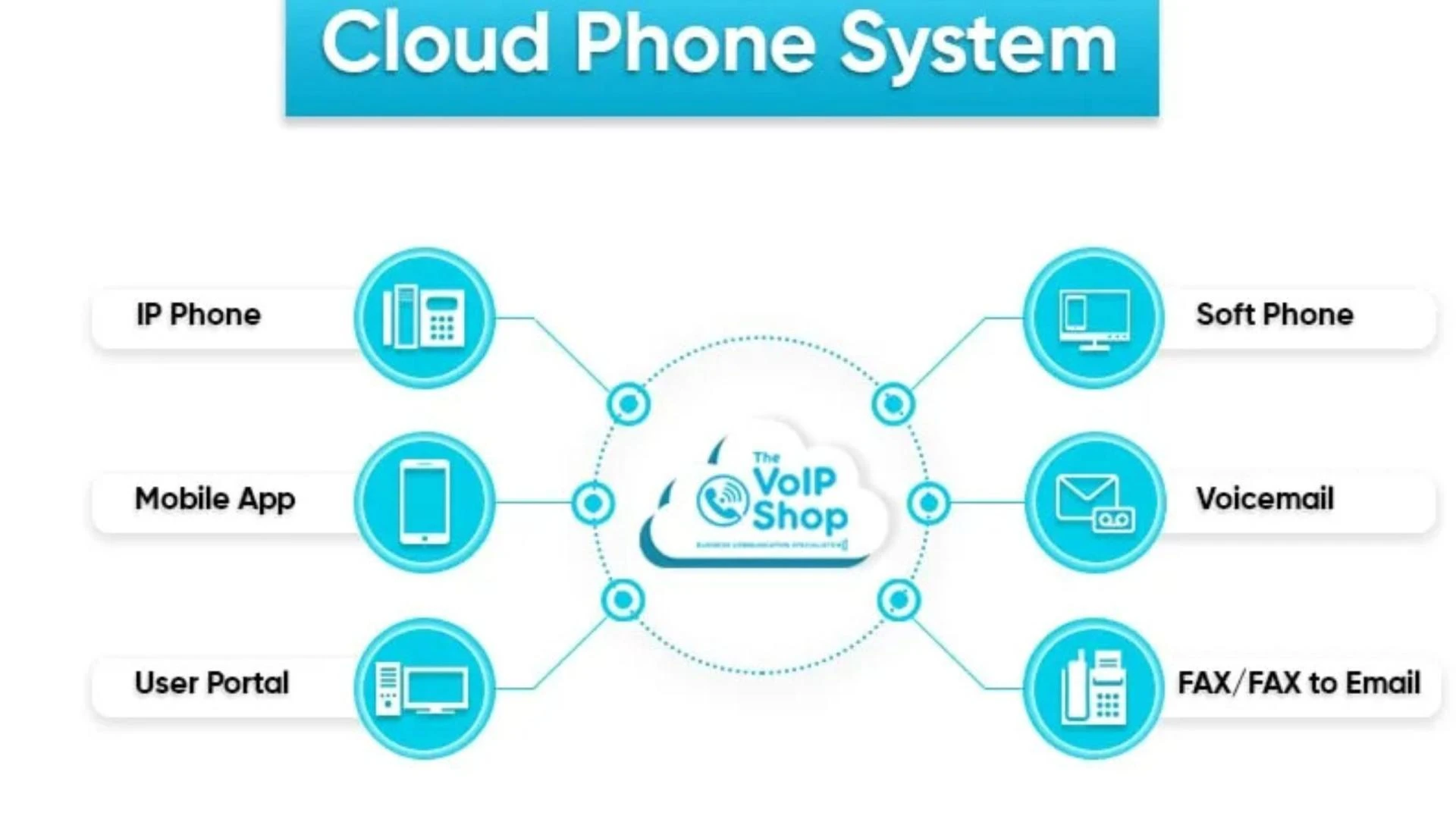

Explore the benefits, features, and cost-saving advantages of a cloud phone system for businesses. Learn how this technology can streamline communication and enhance efficiency.
The Cloud phone system has revolutionized the way businesses communicate, offering flexibility, scalability, and reliability. Unlike traditional landline systems, a cloud-based phone system operates via the internet, giving businesses the ability to manage their phone lines and features remotely. As businesses increasingly adopt remote and hybrid working environments, the cloud phone system provides an indispensable tool for seamless communication.
What is a Cloud Phone System?
A cloud phone system, also known as Voice over Internet Protocol (VoIP), allows businesses to make and receive calls over the internet rather than through traditional phone lines. By using cloud technology, these systems can be hosted remotely, reducing the need for on-site hardware and maintenance. This system allows businesses to scale their phone operations without worrying about extensive infrastructure costs or limitations.
Key Features of a Cloud Phone System
- Voicemail to Email: Cloud phone systems convert voicemails into audio files and send them directly to your email. This feature helps in accessing important messages even when you're away from the office.
- Call Forwarding and Call Routing: Businesses can set up custom call routing systems that forward calls to different team members based on predefined criteria like time of day or caller ID.
- Integrated Communication: Cloud phone systems often integrate with other business communication tools like video conferencing and chat platforms, making it easier for teams to stay connected across different channels.
- Mobile Access: With cloud phone systems, employees can use their mobile phones or computers to make and receive calls from anywhere, allowing for a more flexible work environment.
- Auto Attendant: A virtual receptionist can answer incoming calls and route them to the correct department or person, improving customer experience and ensuring better call handling.
Benefits of Cloud Phone Systems
- Cost Efficiency: With traditional phone systems, you often face high installation and maintenance costs. Cloud phone systems eliminate these expenses by hosting the infrastructure online, making it easier for businesses to manage their communication without significant upfront costs.
- Scalability: Whether your business is growing or downsizing, a cloud phone system offers scalable solutions that can adjust based on your needs. Adding or removing users is as simple as making changes in the system’s interface.
- Advanced Features: From call analytics and reporting to video conferencing and integration with customer relationship management (CRM) software, cloud phone systems often come with a range of features that traditional phone systems lack. This gives businesses the tools they need to optimize their communication strategy.
- Reliability: Cloud-based systems rely on multiple data centers, which means that they are less prone to service outages. If one data center goes down, others can take over to ensure seamless communication.
How Does a Cloud Phone System Improve Business Communication?
A Cloud phone system significantly enhances business communication by integrating different communication methods (voice, video, messaging) into one platform. Employees can interact with clients, colleagues, and partners using various devices, whether they are in the office, at home, or on the go. Additionally, these systems offer valuable analytics, providing insights into call data and performance to ensure that business communication stays effective.
Cloud Phone System vs. Traditional Phone Systems
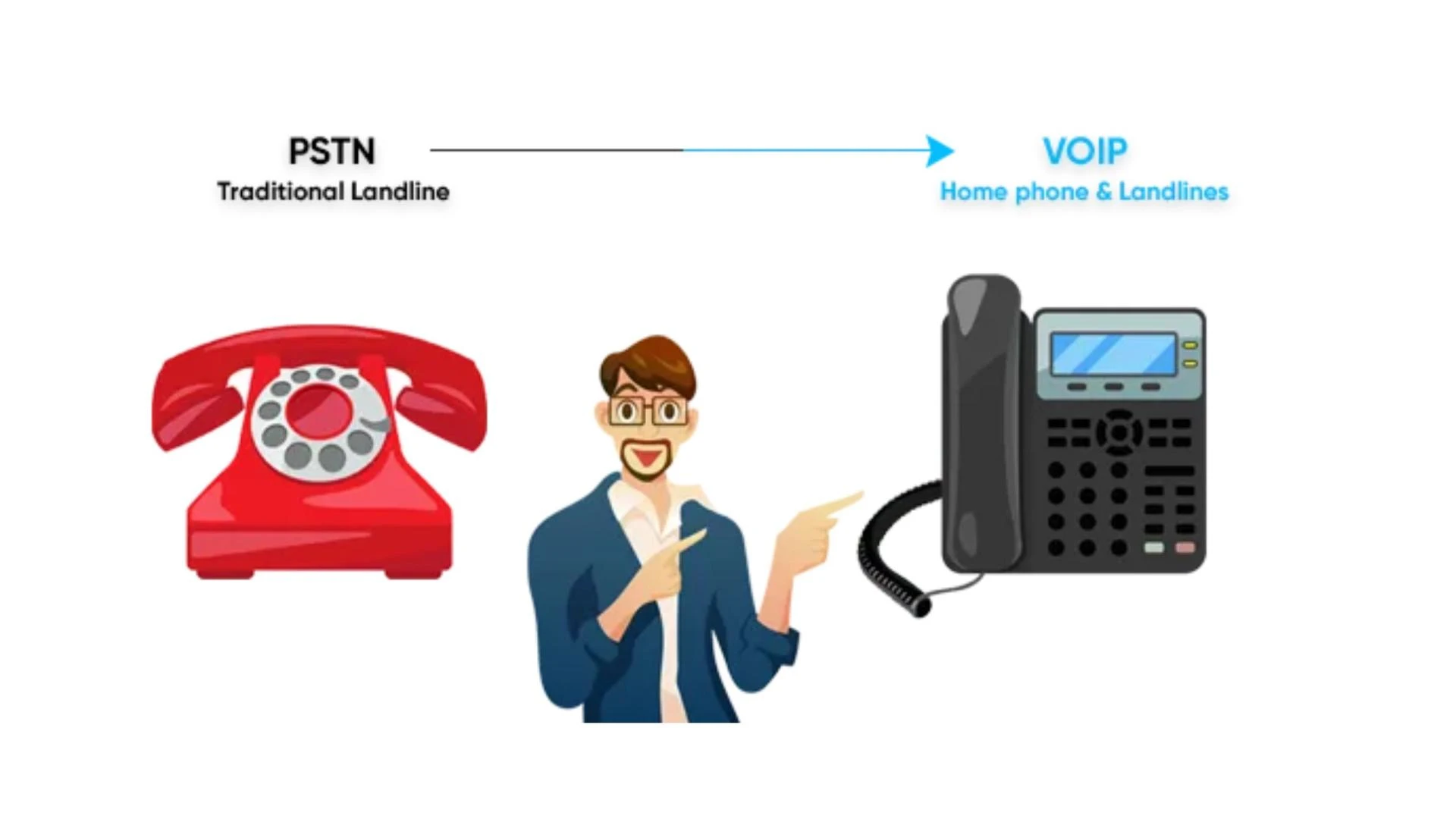
When comparing a cloud phone system to a traditional phone system, the most significant difference lies in the underlying infrastructure. Traditional systems rely on physical phone lines, which can be expensive and require significant maintenance. On the other hand, a cloud phone system uses the internet, providing more flexibility and lower operating costs. Moreover, cloud systems can integrate seamlessly with other business tools, such as email and CRM systems, enhancing overall business efficiency.
FAQs about Cloud Phone Systems
Q1: Is a Cloud Phone System Secure?
Yes, cloud phone systems employ encryption protocols to protect your calls and data. Many providers offer additional security features such as multi-factor authentication and secure access controls to safeguard sensitive information.
Q2: Can I Use My Existing Phone Numbers with a Cloud Phone System?
Most cloud phone systems allow businesses to keep their existing phone numbers through a process called "number porting." This ensures a seamless transition without losing your business’s contact details.
Q3: Are Cloud Phone Systems Expensive?
Cloud phone systems are generally more affordable than traditional landline systems. There are no upfront infrastructure costs, and businesses only pay for the features and services they need.
Q4: Can Cloud Phone Systems Handle International Calls?
Yes, cloud phone systems are capable of handling international calls with competitive rates. Most providers offer global calling options that are much cheaper than traditional phone lines.
Conclusion
In conclusion, the cloud phone system offers businesses a modern, cost-effective, and scalable solution for communication. With its advanced features, reliability, and ease of integration with other business tools, it’s no wonder that more businesses are opting for cloud-based solutions. If you're looking to enhance your communication and reduce costs, consider transitioning to a cloud phone system today.





























Sign in to leave a comment.