
Introduction
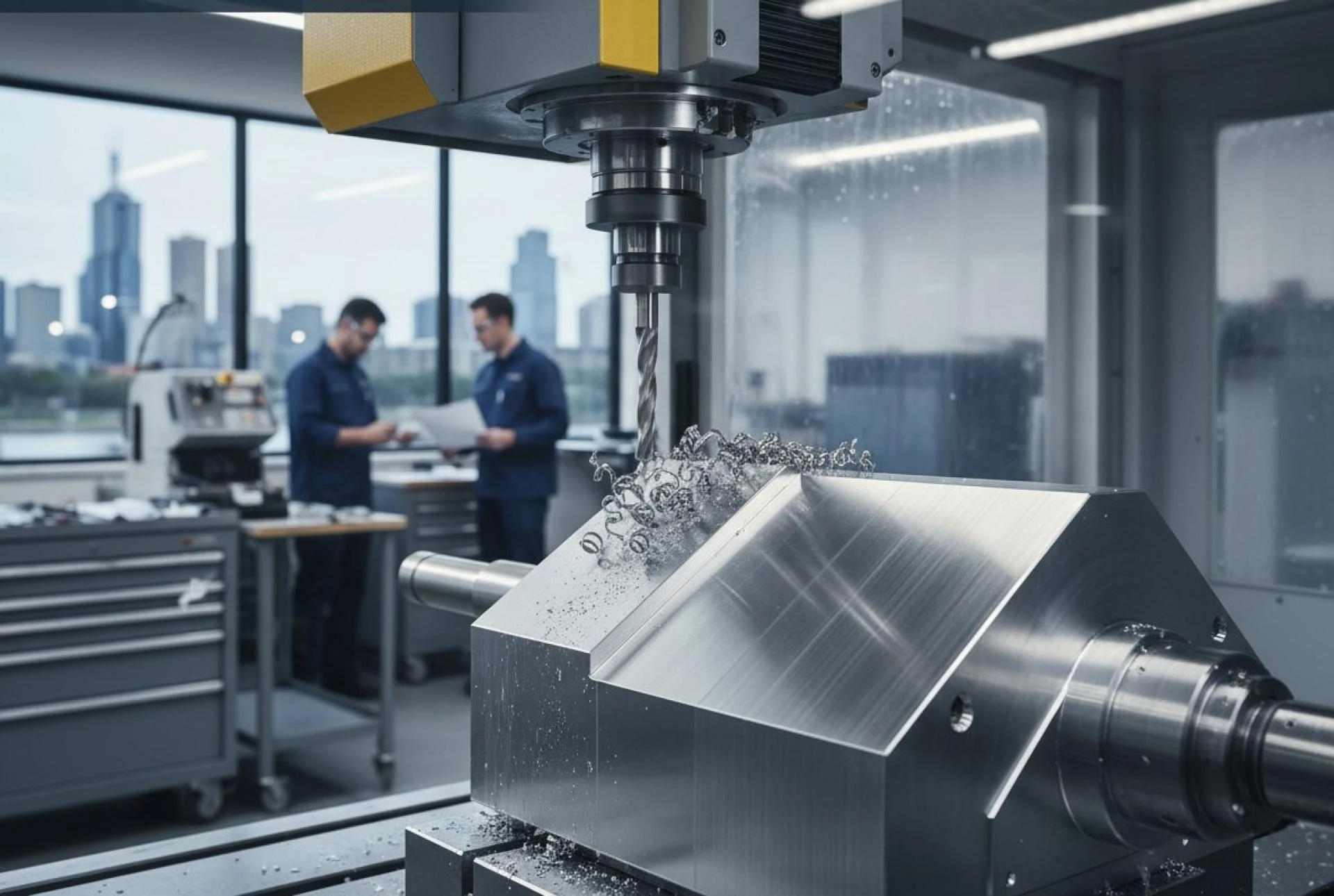
CNC machining is a core process within modern digital manufacturing, providing high-precision, repeatable, and computer-controlled material removal for the production of complex components, especially for companies in Melbourne looking to stay competitive. One of the most important aspects of CNC manufacturing is the surface finish. The right surface finish not only enhances the appearance of a part but also impacts its functionality, durability, and performance. This guide will explain the different CNC machining surface finish types and their uses in simple, practical terms for manufacturing companies, engineering managers, and production heads.
What is Surface Finish in CNC Machining?
Surface finish refers to the texture, smoothness, and appearance of a part’s surface after it has been machined. It is measured by the roughness and the type of marks left by the CNC machine tools. Choosing the appropriate surface finish is critical for:
- Achieving dimensional accuracy and ensuring correct part fit and functional performance
- Improving visual quality and surface appearance
- Increasing resistance to corrosion and environmental degradation
- Minimising friction, wear, and surface-related mechanical losses
Common CNC Machining Surface Finish Types
1. As-Machined Finish
· Description: The part is used directly after CNC machining without any additional treatment.
· Appearance: Slight tool marks and a matte look.
· Uses: Prototypes, internal components, and parts where appearance is not critical.
· Benefits: Cost-effective and quick turnaround.
2. Bead Blasting
· Description: Fine glass or ceramic beads are blasted onto the surface to achieve a uniform matte finish.
· Appearance: Smooth, non-reflective surface.
· Uses: Consumer products, enclosures, and parts needing a clean look.
· Benefits: Removes tool marks and improves grip.
3. Anodising
· Description: An electrochemical process that forms a protective oxide layer on aluminium parts.
· Appearance: Can be coloured or clear, with a smooth, durable finish.
· Uses: Aerospace, automotive, electronics, and medical devices.
· Benefits: Increases corrosion resistance and wear protection.
4. Powder Coating
· Description: Powdered paint is sprayed and then baked onto the part.
· Appearance: Thick, even, and colourful finish.
· Uses: Machinery, tools, and outdoor equipment.
· Benefits: Excellent durability and weather resistance.
5. Polishing
· Description: The part is buffed to a mirror-like shine.
· Appearance: Highly reflective, smooth surface.
· Uses: Decorative components, medical tools, and food industry parts.
· Benefits: Reduces friction and makes cleaning easier.
6. Brushed Finish
· Description: The surface is abraded with a fine brush to create a satin texture with visible lines.
· Appearance: Satin with linear grain.
· Uses: Appliances, panels, and visible brackets.
· Benefits: Hides fingerprints and minor scratches.
7. Chemically Blackened (Black Oxide)
· Description: A chemical treatment that gives steel parts a black finish.
· Appearance: Uniform black colour.
· Uses: Fasteners, tools, and automotive parts.
· Benefits: Reduces glare and provides mild corrosion resistance.
How to Choose the Right Surface Finish
When selecting a surface finish for your CNC service, consider: -
Functional Requirements: Does the component require corrosion resistance, reduced friction, or an enhanced surface appearance?
Material: Some finishes, like anodising, are only for specific materials (e.g., aluminium).
Cost and Lead Time: Some finishes add extra cost and time to the project.
Industry Standards: Certain industries require specific finishes for compliance.
Role of CNC Machining in Digital Manufacturing
CNC machining is at the heart of digital manufacturing in Melbourne. It enables companies to: -
· Rapidly prototype and produce parts with high precision
· Use a wide range of materials and surface finishes
· Scale production from one-off prototypes to high-volume runs
· Meet the strict requirements of industries like healthcare, automotive, and aerospace
With advanced CNC manufacturing, Melbourne businesses can deliver quality products faster, reduce waste, and stay ahead in a competitive market.
Conclusion
Understanding CNC machining surface finish types helps manufacturing leaders make better decisions for their projects. The right finish can improve product performance, appearance, and longevity. Whether you are looking for a basic as-machined part or a high-end polished or anodised finish, working with a reliable CNC machining Melbourne provider ensures you get the best results. For expert CNC service and support, partner with a reliable manufacturer aligned with modern production requirements.










Sign in to leave a comment.