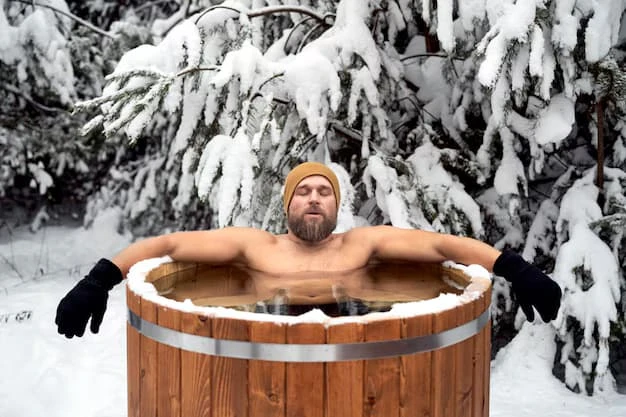

In the modern world, where stress, fatigue, and constant physical strain have become part of daily life, people are seeking natural ways to strengthen both body and mind. Among these approaches, the cold plunge stands out as a practice that is not only revitalizing but also deeply transformative. Rooted in ancient traditions and supported by modern science, the cold plunge is more than a trend. It is a proven method to build resilience, enhance recovery, and promote overall well-being.
This article explores the science, benefits, and best practices of the cold plunge, explaining why it has become a cornerstone of wellness routines worldwide.
What is a Cold Plunge
A Simple Yet Powerful Practice
A cold plunge involves immersing the body in cold water, typically maintained between 10 and 15 degrees Celsius. While the idea of stepping into icy water may feel intimidating, the rewards are profound. The body responds with immediate physiological changes that have both short-term and long-term health benefits.
Ancient Roots of Cold Water Therapy
Cultures across the world have used cold water immersion for centuries. From Roman baths to Nordic traditions, the practice has always been connected with cleansing, healing, and revitalization. Today, it has resurfaced as one of the most effective tools for physical and mental resilience.
The Science Behind Cold Plunge
Circulation and Blood Flow
When the body is exposed to cold water, blood vessels constrict. Once the body warms up again, they expand, improving circulation. This process not only delivers oxygen-rich blood to muscles but also removes waste products more efficiently.
Nervous System Response
Cold immersion activates the sympathetic nervous system, leading to a natural release of adrenaline and endorphins. This improves alertness, focus, and mood while reducing the effects of stress.
Reduced Inflammation
Cold temperatures help to slow down metabolic processes in the tissues, decreasing inflammation and swelling. This makes cold plunges highly effective for athletes and individuals recovering from physical exertion.
Physical Benefits of Cold Plunge
Enhanced Muscle Recovery
Athletes often rely on cold plunge therapy after training or competitions. By reducing soreness and inflammation, the practice accelerates recovery and allows for consistent performance.
Strengthened Immune Function
Regular cold plunges stimulate the production of white blood cells, which help defend the body against illness. Over time, this leads to a stronger immune system.
Improved Skin and Hair Health
Cold water tightens pores, reduces puffiness, and promotes circulation to the skin. Many people report clearer, healthier skin and stronger hair after adopting regular cold plunges.
Boosted Metabolism
Exposure to cold stimulates brown fat, which burns calories to generate heat. This natural metabolic boost can support weight management goals.
Mental Benefits of Cold Plunge
Stress Reduction
Cold plunges lower cortisol levels, which are linked to stress. The calming effect of the therapy helps individuals manage daily pressures more effectively.
Increased Mental Toughness
Immersing the body in cold water requires focus and control, building resilience not only physically but also mentally. Over time, this practice trains the mind to handle challenges with greater confidence.
Improved Sleep Quality
Cold immersion supports better regulation of melatonin and circadian rhythms. Many individuals find that regular cold plunges lead to deeper, more restful sleep.
Enhanced Mood and Energy
The release of endorphins during a cold plunge creates a natural sense of euphoria. This mood-lifting effect is often compared to the feeling experienced after intense exercise.
When to Use Cold Plunge
Post-Workout Routine
The cold plunge is most commonly used after intense exercise. It helps muscles recover and reduces soreness, making it easier to maintain a consistent training schedule.
During Stressful Periods
For those experiencing mental fatigue or high stress, a cold plunge offers a natural way to reset and restore balance.
As Part of a Morning Ritual
Many wellness enthusiasts start their day with a cold plunge to awaken the body, sharpen focus, and energize the mind.
Safe Practices for Cold Plunge
Start Slowly
For beginners, shorter sessions of 2 to 3 minutes are recommended. Over time, as the body adapts, the duration can be gradually increased.
Monitor Water Temperature
Cold plunges are effective within a temperature range of 10 to 15 degrees Celsius. Going colder may increase discomfort without adding benefits.
Focus on Breathing
Controlled breathing helps the body adjust to the shock of cold water. Deep, steady breaths allow for a calmer and more beneficial experience.
Frequency of Use
Two to four sessions per week are typically sufficient for most people. Athletes may use cold plunges more often, depending on their training demands.
Myths About Cold Plunge
Myth 1: Cold Plunges Are Too Extreme for Most People
While they may seem intimidating, cold plunges are safe and accessible for the majority of people when done correctly.
Myth 2: Cold Plunges Only Benefit Athletes
Although athletes often popularize the practice, the benefits extend to anyone seeking better health, stress relief, and improved resilience.
Myth 3: Longer Sessions Equal Better Results
Spending extended periods in cold water does not increase the benefits. Short, consistent sessions are more effective and safer.
The Growing Popularity of Cold Plunges
Adopted by Athletes and Professionals
From professional sports teams to wellness coaches, cold plunges are widely adopted for their proven impact on recovery and performance.
Integrated into Wellness Centers
Many gyms, spas, and recovery studios now include cold plunge pools as part of their services. This growing accessibility allows more people to experience the practice safely.
A Lifestyle Choice for Resilience
Beyond recovery, the cold plunge has become a lifestyle practice. Individuals incorporate it into their routines as a way to stay strong, balanced, and focused in both body and mind.
Conclusion
The cold plunge is far more than a fleeting wellness trend. It is a transformative practice that strengthens the body, sharpens the mind, and builds resilience against the demands of modern life. With benefits that range from faster muscle recovery to improved mood and immune function, the cold plunge continues to grow in popularity as a cornerstone of holistic health.
For individuals seeking expert guidance and safe access to cold plunge therapy, Prime Recovery offers the perfect environment. By providing advanced recovery solutions and a supportive atmosphere, Prime Recovery helps people unlock the full potential of cold plunge therapy and embrace a healthier, stronger, and more resilient lifestyle.




























Sign in to leave a comment.