
Walk into any wellness conversation these days and you will hear people swearing by icy water rituals. Some rave about turning the shower dial all the way to cold each morning. Others have gone all in on a dedicated tub filled with ice and chilled water in their backyard or basement. Both camps claim life changing benefits, but they are not the same experience, and they do not deliver the same results.
If you have been wondering about cold shower vs cold plunge and which one deserves a spot in your routine, you are asking the right question. This guide breaks down the science, the practical differences, and the real world considerations so you can decide what fits your goals, your budget, and your lifestyle.
Why Cold Exposure Is Having a Moment
Cold therapy is not new. Athletes have used ice baths for decades to speed up recovery, and cultures around the world have practiced cold water immersion for centuries as a way to build resilience and mental toughness. What has changed is the accessibility. You no longer need access to a frozen lake or a sports facility to try it. A simple twist of your shower knob gets you partway there, and home cold plunge tubs have become far more affordable and easier to install than most people expect.
The appeal comes down to a few consistent benefits that show up across research and personal testimonials alike: reduced muscle soreness, improved circulation, sharper mental focus, better mood regulation, and a noticeable boost in alertness. The question is not whether cold exposure works. It is which method gets you there most effectively.
Cold Shower vs Cold Plunge: The Core Differences
At first glance, a cold shower and a cold plunge seem like variations of the same idea. Both involve exposing your body to cold water. But the differences in temperature, duration, and full body immersion change the experience dramatically.
Temperature and Intensity
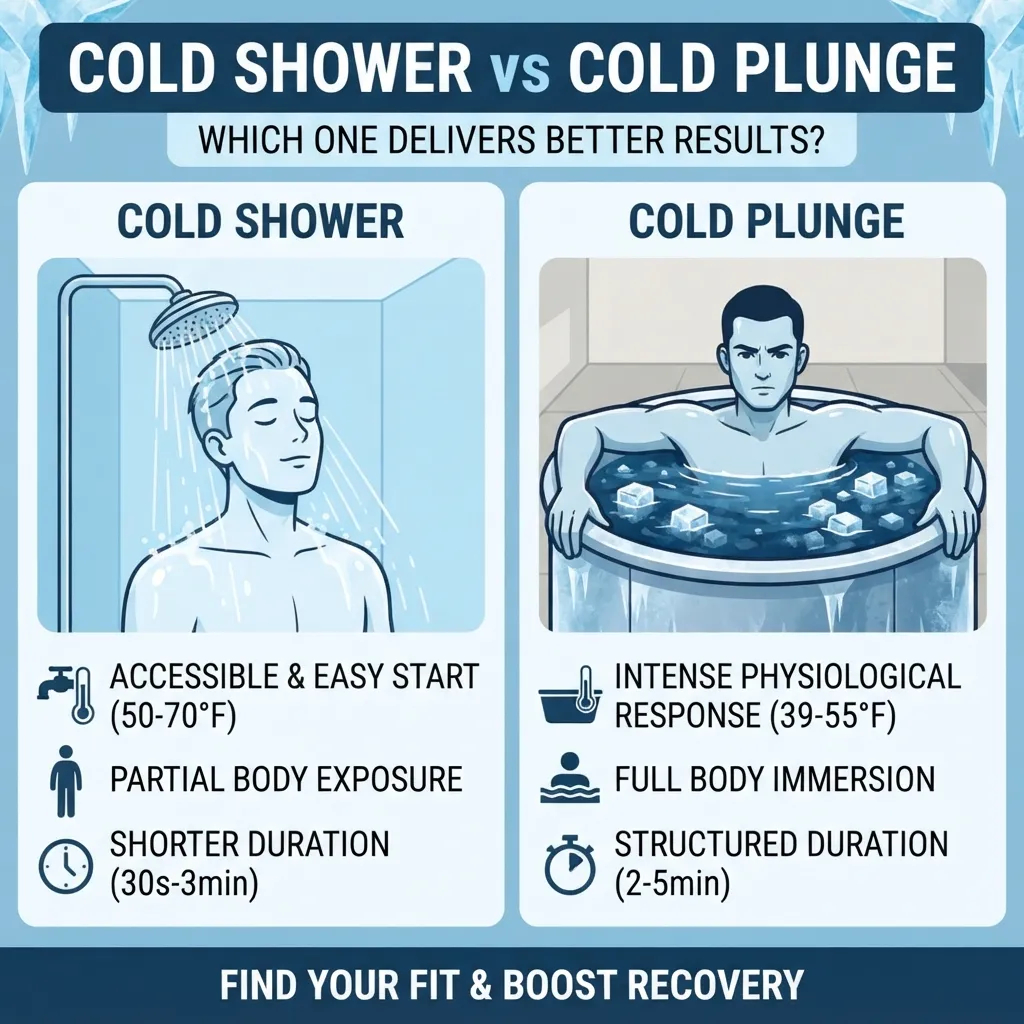
A cold shower typically runs somewhere between 50 and 70 degrees Fahrenheit, depending on your home's water supply and the season. That is uncomfortable, sure, but it rarely reaches the kind of intensity that triggers a true cold shock response.
A cold plunge, on the other hand, is usually set between 39 and 55 degrees Fahrenheit. Many enthusiasts push it even colder, especially those using commercial cold plunge units designed for consistent, precise temperature control. This lower range is what activates a stronger physiological response, including a sharper spike in norepinephrine and a more noticeable release of endorphins.
Full Body Immersion vs Partial Exposure
When you step into a cold shower, water hits your body from one direction and moves across your skin, but you are still standing upright with air circulating around parts of your body. A cold plunge submerges you almost entirely, often up to your neck. This full immersion means your entire nervous system reacts at once rather than gradually adjusting as water rolls off different areas.
This is one of the biggest reasons people report a more intense mental and physical shift after a plunge compared to a shower. The whole body committing to the cold at the same time creates a bigger internal response.
Duration
Cold showers are usually short, somewhere between 30 seconds and 3 minutes for most people, simply because standing under cold water for longer starts to feel unbearable without a specific goal in mind. Cold plunges are often approached with more structure. Many people aim for 2 to 5 minutes of total immersion, sometimes building up over weeks as their tolerance improves.
The Benefits of Each Approach
Neither method is inherently better in every category. It really depends on what you are trying to achieve.
What Cold Showers Do Well
Cold showers are the easiest entry point into cold exposure. There is no equipment to buy, no water to fill or chill, and no cleanup afterward. You simply adjust your existing shower and you are done. This makes cold showers ideal for:
- Building a consistent daily habit without added cost
- Waking up and increasing alertness before work
- Improving circulation gradually over time
- Easing into cold exposure before committing to something more intense
Because cold showers are accessible and low commitment, they tend to have higher long term adherence. A lot of people who eventually invest in cold plunge tubs actually started with cold showers first, using them as a stepping stone to build tolerance.
What Cold Plunges Do Well
Cold plunges create a more dramatic and complete physiological reset. Because your entire body is submerged in consistently cold water, the intensity of the response is much stronger. Athletes and fitness enthusiasts often prefer plunges specifically for:
- Faster recovery after intense training sessions
- Reduced inflammation in muscles and joints
- A stronger, more noticeable mental clarity boost
- Deeper stress resilience training through sustained discomfort
Many people describe the mental effect of a plunge as more profound than a shower, partly because the commitment required to lower yourself into a tub of cold water and stay there activates a different kind of mental discipline. There is no gradual easing in. You are either in or you are not.
Home Use vs Commercial Cold Plunge Setups
If you are leaning toward the plunge side of the debate, it helps to understand the range of options available, because not all setups are created equal.
Home Cold Plunge Tubs
For personal use, cold plunge tubs range from simple insertable barrels with ice you refill manually, to more advanced units with built in chillers, filtration systems, and temperature control panels. Entry level setups can be surprisingly affordable, while advanced systems with digital temperature regulation cost significantly more but remove the hassle of constantly buying ice.
When shopping for a home unit, pay attention to:
- Insulation quality, which affects how long the water stays cold
- Filtration and water treatment, since standing water needs to stay clean
- Size and depth, so you can comfortably submerge to shoulder level
- Portability, if you plan to move it seasonally or store it indoors
Commercial Cold Plunge Options
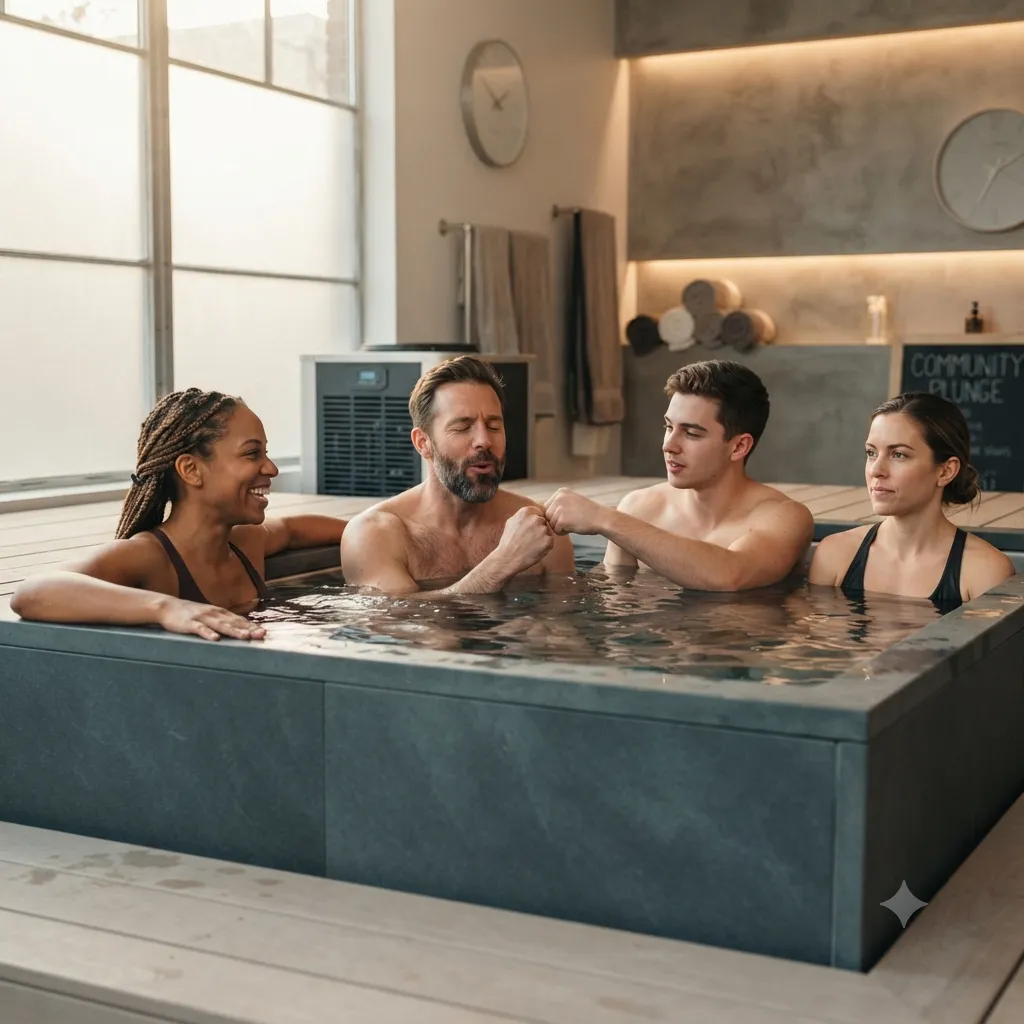
A commercial cold plunge is built for a completely different scale of use. These are the units you find in gyms, recovery studios, spas, and wellness centers, designed to handle dozens or even hundreds of uses per week without a drop in performance. Commercial cold plunge systems typically include industrial grade chillers, continuous filtration loops, and durable materials that can withstand heavy daily traffic.
If you are a business owner considering adding cold therapy to your facility, a commercial cold plunge is a worthwhile investment because it signals a serious, professional wellness offering. Clients are increasingly searching for gyms and recovery centers that offer this service, and having a reliable, well maintained unit can set your facility apart from competitors that only offer saunas or standard recovery tools. Just like a facility invests in maintenance for things like duct cleaning to keep air quality high, a commercial cold plunge needs a consistent maintenance schedule to keep the water clean and the equipment running smoothly for every client who steps in.
Which One Should You Choose?
The honest answer is that it depends on your goals, and for many people, the best approach is not choosing one over the other but using both strategically.
If you are just starting out, ease into cold exposure with cold showers. They cost nothing extra, require zero equipment, and let you build tolerance gradually. Once you feel comfortable finishing a shower with a solid minute or two of cold water without dreading it, you have built a foundation that will make transitioning to a plunge much easier.
If you are training seriously, recovering from intense physical activity, or simply want the deeper physiological benefits that come from full immersion, investing in a cold plunge is worth considering. Look at your budget and how often you plan to use it. Occasional users might do fine with a basic tub and bagged ice, while dedicated daily users will get more value out of a proper chiller unit.
For business owners in the fitness or wellness space, a commercial cold plunge is less about personal preference and more about meeting client demand. Recovery focused clients increasingly expect this option, and having one on-site can improve retention and attract new members looking for a complete recovery experience.
Common Mistakes to Avoid
Regardless of which method you choose, a few missteps can reduce the benefits or even create unnecessary risk.
Jumping in too cold, too fast. Whether it is a shower or a plunge, extreme cold without any buildup can trigger a shock response that leaves you gasping and anxious rather than calm and focused. Ease into lower temperatures over days or weeks.
Ignoring your breathing. Controlled, steady breathing is what separates a beneficial cold exposure session from a stressful one. Focus on slow exhales to calm your nervous system as your body adjusts.
Skipping proper warm up afterward. Your body needs to return to a normal temperature gradually. Wrap up in warm clothing or a towel and let your body naturally rewarm rather than jumping straight into a hot shower, which can shock your system in the opposite direction.
Neglecting maintenance on plunge tubs. Standing water needs proper filtration and cleaning. Neglecting this creates a breeding ground for bacteria, which defeats the purpose of a wellness practice meant to improve your health.
Final Thoughts and Your Next Step
The debate between cold shower vs cold plunge does not have a single universal winner. Cold showers offer accessibility, simplicity, and a gentle introduction to cold therapy. Cold plunges offer a deeper, more intense experience with stronger physiological benefits, especially for recovery and mental resilience. Your best path forward depends on your goals, your budget, and how committed you are to making cold exposure a consistent part of your routine.
If you are ready to take your cold therapy practice to the next level, start by testing your tolerance with cold showers for a couple of weeks. Once you feel confident, explore cold plunge tubs designed for home use, or if you run a fitness facility, look into a commercial cold plunge system that can handle daily demand from your clients. Either way, the benefits of consistent cold exposure are well within reach, and the only real mistake is never getting started.


























Sign in to leave a comment.