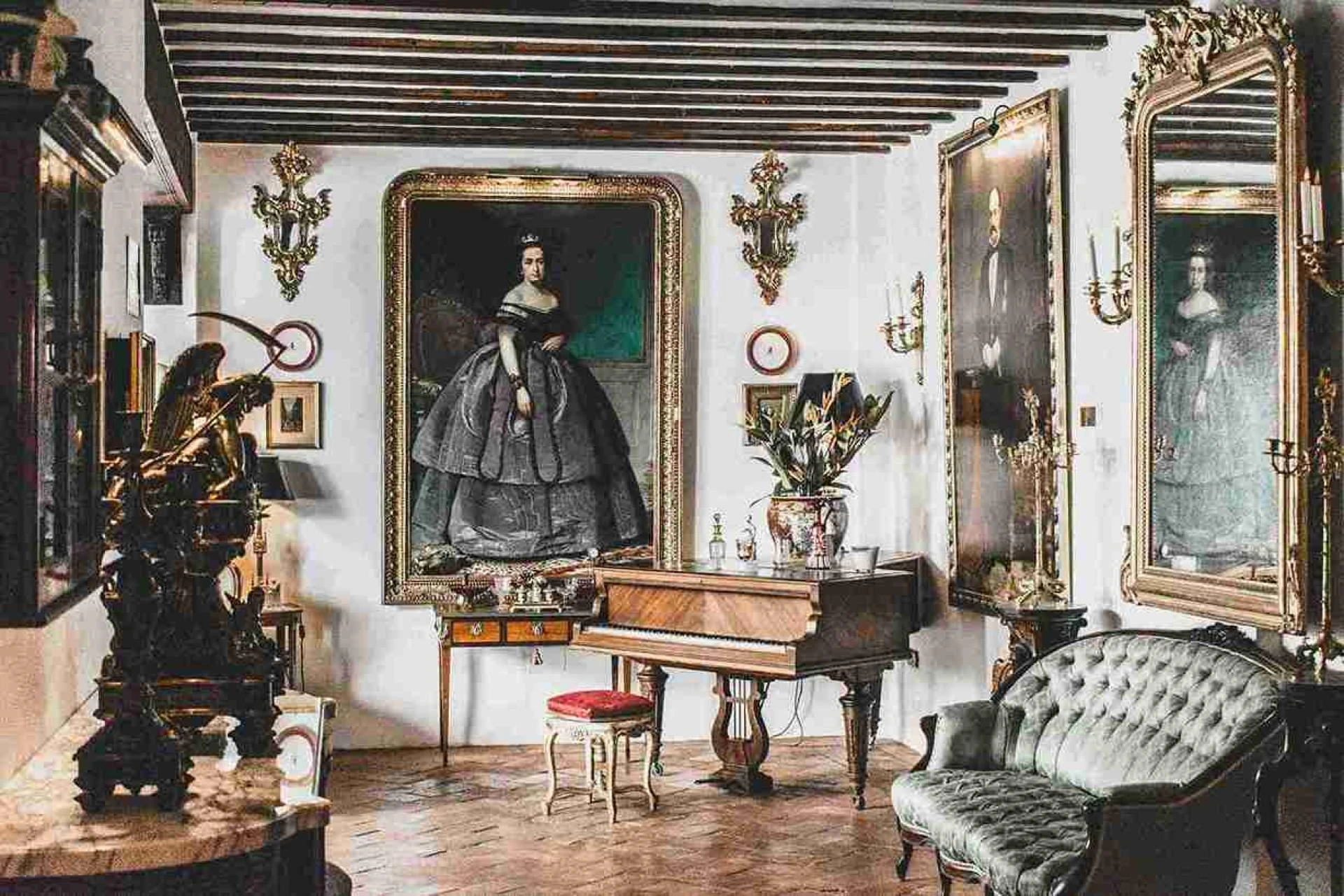

Collecting art and antiques can be a deeply rewarding hobby, blending the thrill of discovery with the appreciation of history and craftsmanship. Whether you're drawn to vintage furniture, classic paintings, or ancient artifacts, starting your own collection can seem daunting at first. This guide will help you navigate the basics, from identifying valuable pieces to maintaining your collection, including crucial considerations like termite treatment for antique wooden items.
Understanding Your Interests
Before you begin collecting, it’s important to identify what interests you most. Art and antiques encompass a broad spectrum of categories, including:
Fine Art: Paintings, sculptures, and photographs.Decorative Art: Ceramics, glassware, and textiles.Furniture: From Victorian to Mid-Century Modern.Collectibles: Coins, stamps, and vintage toys.Historical Artifacts: Items from significant periods or events.By focusing on a specific category, you can develop a deeper understanding and appreciation for your chosen area.
Research and Education
Knowledge is key in the world of art and antiques. Start by reading books, attending lectures, and visiting museums. Online resources, such as auction house databases and collector forums, can also be invaluable. Understanding the history, styles, and makers of the pieces you're interested in will help you make informed decisions.
Building Your Collection
Start Small: Begin with affordable pieces that you love. This allows you to develop your taste and knowledge without a significant financial investment.Visit Auctions and Antique Shops: These venues are excellent places to find unique items. Auction houses often provide detailed descriptions and provenance, which can be helpful for beginners.Network with Other Collectors: Join local or online collector groups. Networking with experienced collectors can provide insights, tips, and even opportunities to purchase pieces.Attend Art Fairs and Shows: These events offer a wide range of items and the chance to speak directly with dealers and other collectors.Authenticity and Condition
Ensuring the authenticity of a piece is crucial. Look for provenance, such as documentation of the item's history and previous ownership. Reputable dealers and auction houses often provide these details. Additionally, consider the condition of the piece. Restored items can still be valuable, but original condition is often preferred.
Valuation
Understanding the value of your collection is essential. Factors affecting value include:
Rarity: How rare is the item?Condition: Is it in good condition or has it been restored?Provenance: What is the item's history?Market Demand: What is the current demand for similar items?Appraisals from experts can provide an accurate valuation. Regularly updated price guides and auction results can also be useful references.
Caring for Your Collection
Proper care and maintenance are vital to preserving the value of your art and antiques.
Climate Control: Maintain stable temperature and humidity levels to prevent damage. Avoid placing items in direct sunlight, which can cause fading and deterioration.Handling and Cleaning: Handle items with clean hands or gloves. Use appropriate cleaning methods and materials for each type of item.Termite Treatment: For antique wooden items, termite treatment is crucial. Regular inspections and preventive treatments can protect your collection from these destructive pests.Storage and Display: Store items in a safe, secure environment. Use display cases for fragile items and ensure paintings and prints are properly framed and protected.Insurance and Documentation
Protecting your investment is important. Obtain insurance for your collection and keep detailed records of each item, including photographs, descriptions, provenance, and appraisal values. This documentation is essential for insurance claims and future sales.
Selling and Upgrading
As your collection grows, you may decide to sell or upgrade pieces. Selling can be done through auctions, dealers, or online platforms. Upgrading involves replacing lesser pieces with higher-quality items, gradually improving the overall value and significance of your collection.
Conclusion
Collecting art and antiques is a journey of passion, education, and discovery. By starting with a focus on your interests, building your knowledge, and carefully curating your collection, you can enjoy a fulfilling and potentially profitable hobby. Remember to prioritize the care and maintenance of your items, including termite treatment for wooden pieces, to ensure they remain in excellent condition for years to come. Whether you are drawn to the beauty of fine art, the craftsmanship of antique furniture, or the historical significance of artifacts, your collection will be a testament to your personal tastes and interests.








Sign in to leave a comment.