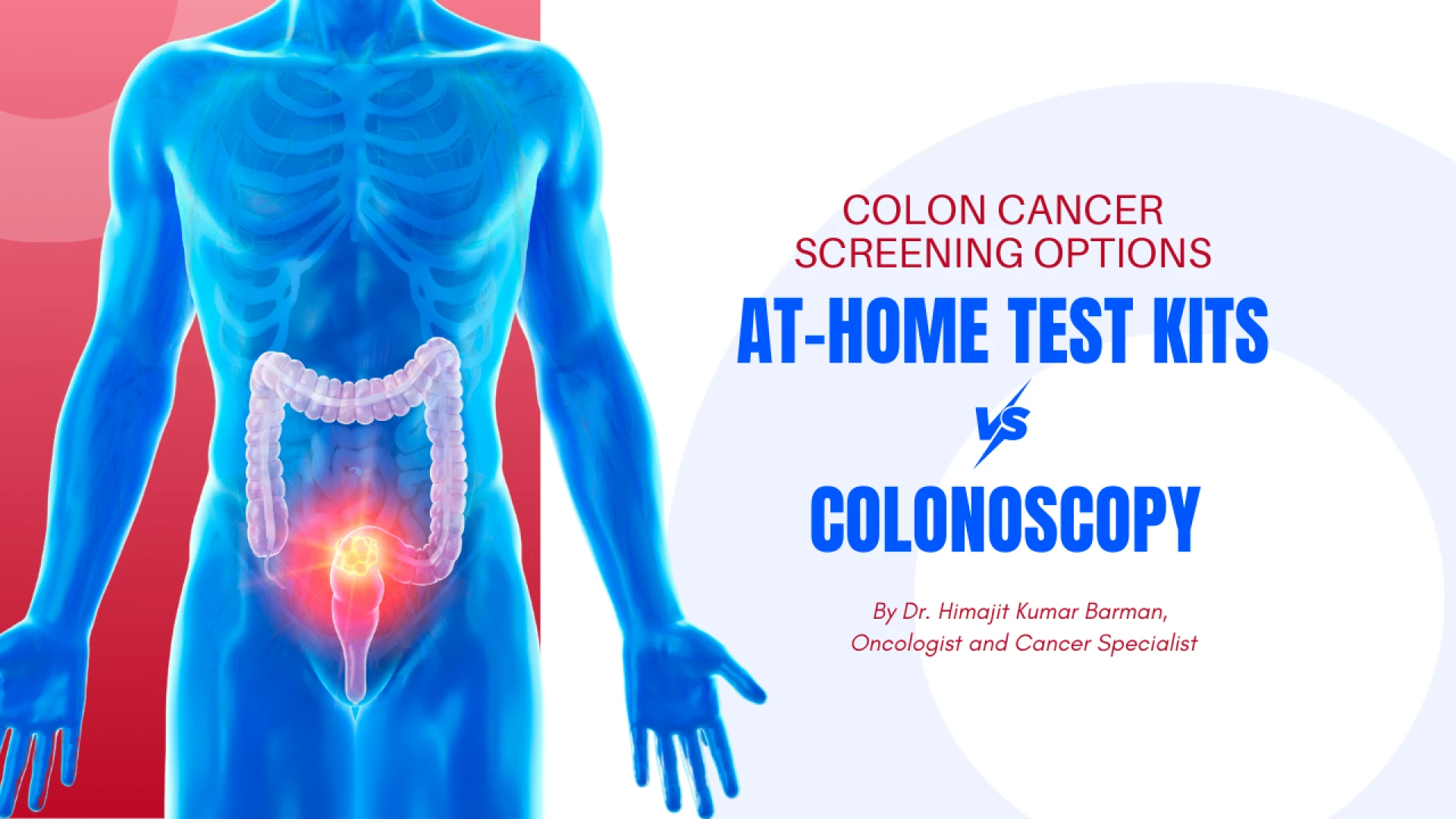

Colon cancer is one of the most preventable cancers when detected early. Screening allows doctors to find cancer at an early stage, or even stop it before it begins by identifying and removing precancerous growths.
Today, people have more than one screening option available, most commonly colonoscopy and at-home stool-based test kits. Understanding how these tests work, and how they differ, can help you make an informed decision with your doctor.
Understanding Colonoscopy
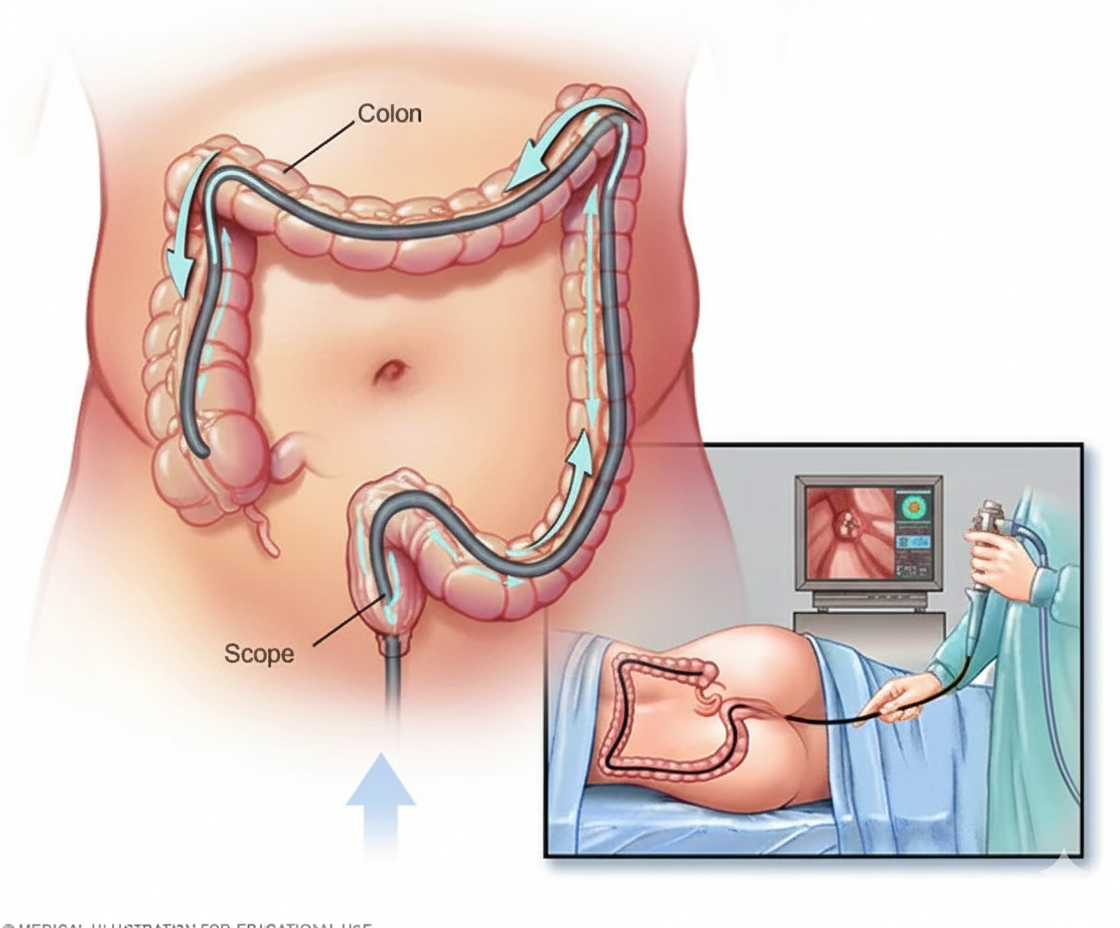
A colonoscopy is widely considered the most comprehensive method of colon cancer screening. During the procedure, a specialist examines the entire colon and rectum using a thin, flexible tube with a camera. One major advantage of colonoscopy is that it is both a diagnostic and preventive test. If polyps or abnormal tissue are detected, they can often be removed immediately, reducing the risk of those growths developing into cancer later.
What to Expect During a Colonoscopy
- Preparation requires some planning before the test
- A temporary low-fiber or liquid diet is followed
- Bowel-cleansing medications are taken to clear the colon
- The procedure is performed under mild sedation
- Most people can return to normal activities the next day
- Screening usually begins at age 45 for average-risk individuals
- If results are normal, the test is repeated every ten years
- Direct visualization of the colon allows detection and removal of polyps
- This makes colonoscopy the most accurate screening option available today
What Are At-Home Colon Cancer Test Kits?

At-home colon cancer screening kits offer a noninvasive alternative. Tests such as Cologuard are completed at home by collecting a stool sample, which is then sent to a laboratory. These tests look for hidden blood and specific DNA changes in stool that may indicate the presence of colon cancer or advanced polyps.
At-Home Colon Cancer Tests:
Benefits
- Convenient and easy to complete at home
- No bowel preparation required
- No sedation involved
- No clinic or hospital visit needed
- Suitable for people anxious about medical procedures
- Helpful for those with busy schedules or limited access to healthcare
- Recommended every three years for average-risk individuals
Limitations to be aware of
- Effective at detecting many existing cancers
- Less sensitive in detecting precancerous polyps
- Cannot remove or treat abnormal findings
- A positive test result always requires follow-up colonoscopy
Accuracy and Effectiveness Compared
| Aspect | Colonoscopy | At-Home Test Kits |
| How it works | Directly examines the entire colon using a camera | Analyzes stool for blood or DNA changes |
| Detection ability | Most sensitive method for detecting cancer and polyps | Good at detecting existing cancer |
| Prevention | Can remove polyps during the procedure, helping prevent cancer | Cannot remove polyps or prevent cancer |
| Impact on outcomes | Shown to reduce both colon cancer rates and deaths | Helps improve screening participation |
| Role in screening | Considered the gold standard | A supportive option, not a replacement |
| Best suited for | People seeking the most thorough screening | People hesitant to undergo colonoscopy |
| Public health value | Strong prevention and long-term protection | Better than no screening at all |
Choosing the Right Screening Option
There is no single screening test that suits everyone. Factors such as age, family history, personal risk, comfort level, and access to healthcare all matter. Individuals with a higher risk of colon cancer are generally advised to choose colonoscopy.
For those at average risk who prefer a less invasive option, at-home testing can be a reasonable alternative, provided they understand the need for follow-up testing if results are abnormal.
If you are unsure which screening option is right for you, a specialist’s guidance can make all the difference. Consult Dr. Himajit Kumar Barman, experienced oncologist and cancer specialist, for a personalized screening plan based on your risk profile and health needs.
Book an appointment today to take a proactive step toward early detection and long-term colon health.
























Sign in to leave a comment.