For many people, the words “colonoscopy Brisbane” bring up a mix of curiosity and uncertainty. What exactly happens during the test? How do you prepare for it? Is it really that important, or is it just another medical buzzword?
This article takes a different approach. Instead of a dry, step-by-step manual, let’s explore colonoscopy through a series of common questions people in Brisbane often ask when they hear about the procedure.
What Is a Colonoscopy, in Simple Terms?
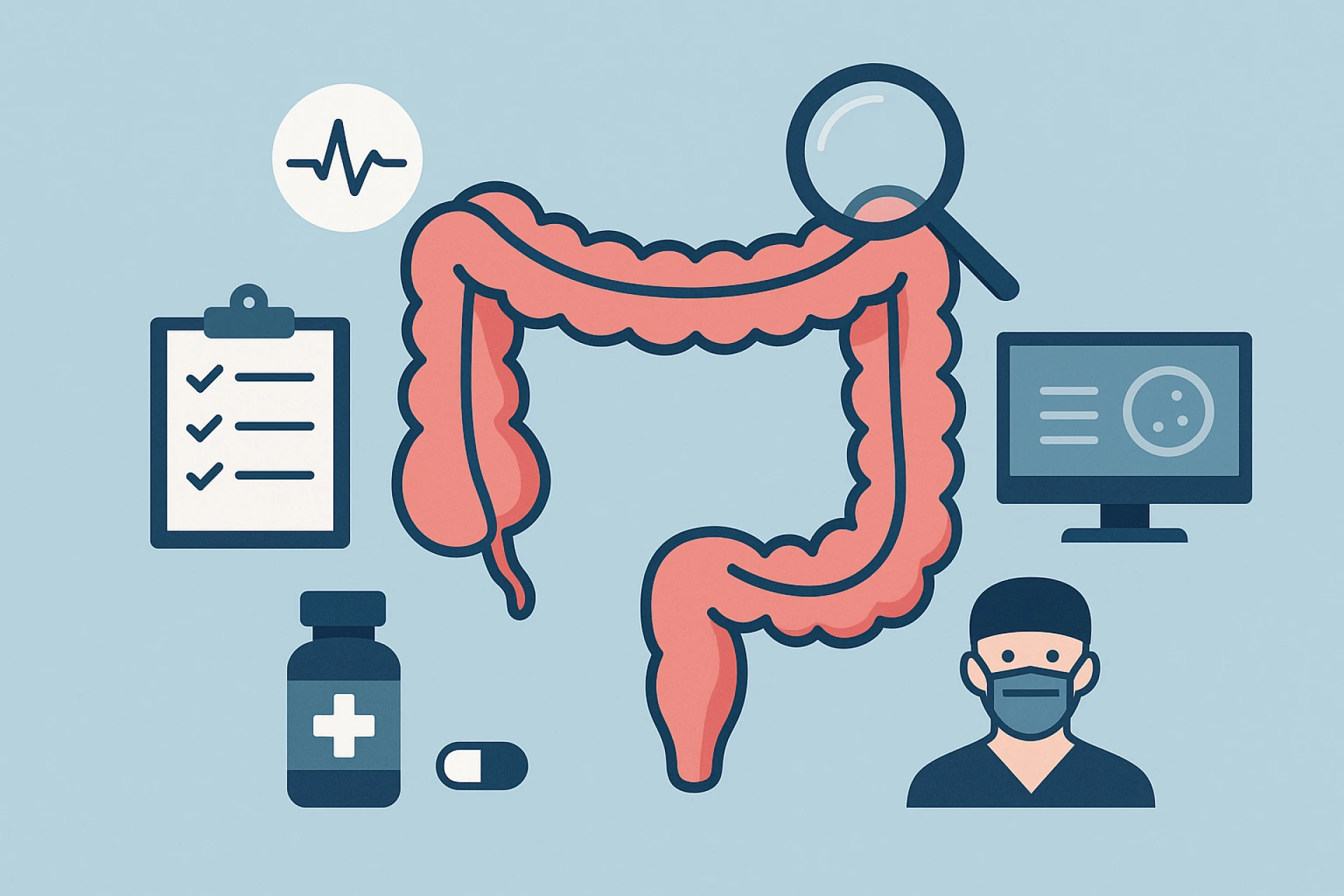
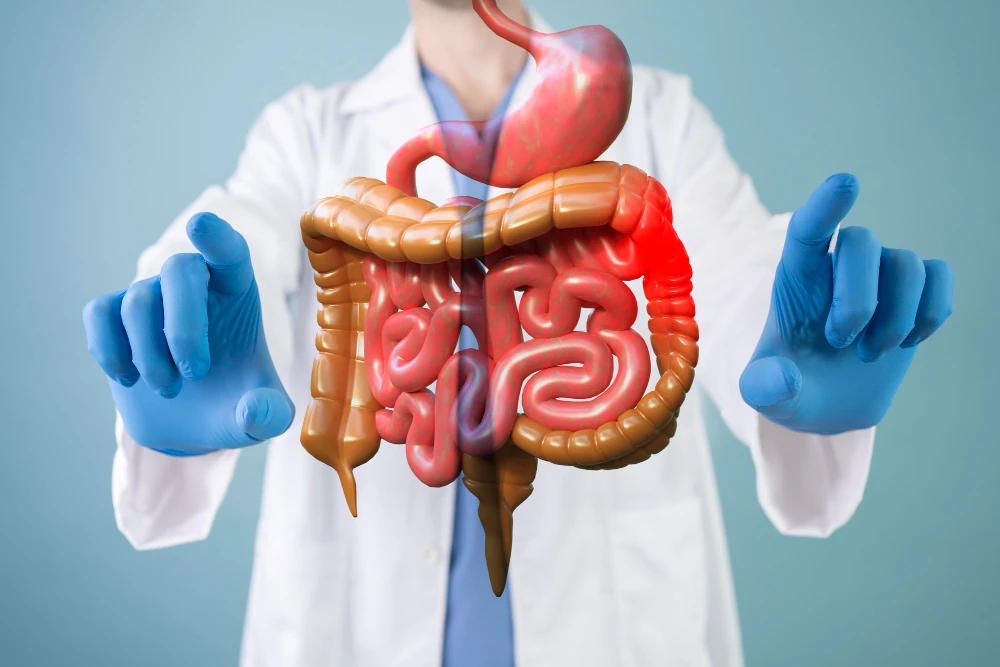
A colonoscopy is like giving the large intestine its own spotlight. Using a small camera at the end of a flexible tube, doctors can see the inside of the bowel on a screen.
Think of it as a high-tech inspection: the camera looks for polyps, inflammation, or unusual changes. If polyps are found, they can often be removed immediately. This makes the test not only diagnostic but also preventive.
A detailed overview of colonoscopy describes it as one of the most reliable ways to check bowel health.
Why Does Colonoscopy Matter in Brisbane?
Colorectal cancer is a major concern across Australia. It is one of the most common cancers diagnosed in both men and women, and it doesn’t discriminate by location. The information on bowel cancer points out that catching changes early through screening makes treatment more successful.
In Brisbane, residents have access to both public and private healthcare options, and colonoscopy has become part of the broader conversation around preventive health. Campaigns and community programs encourage locals to pay attention to symptoms, family history, and national screening reminders.
Who Usually Gets a Colonoscopy?
The reasons can be grouped into two categories:
1. Symptom-driven:
- Unexplained rectal bleeding
- Persistent abdominal pain
- Sudden or ongoing changes in bowel habits
- Unexplained weight loss
2. Screening-driven:
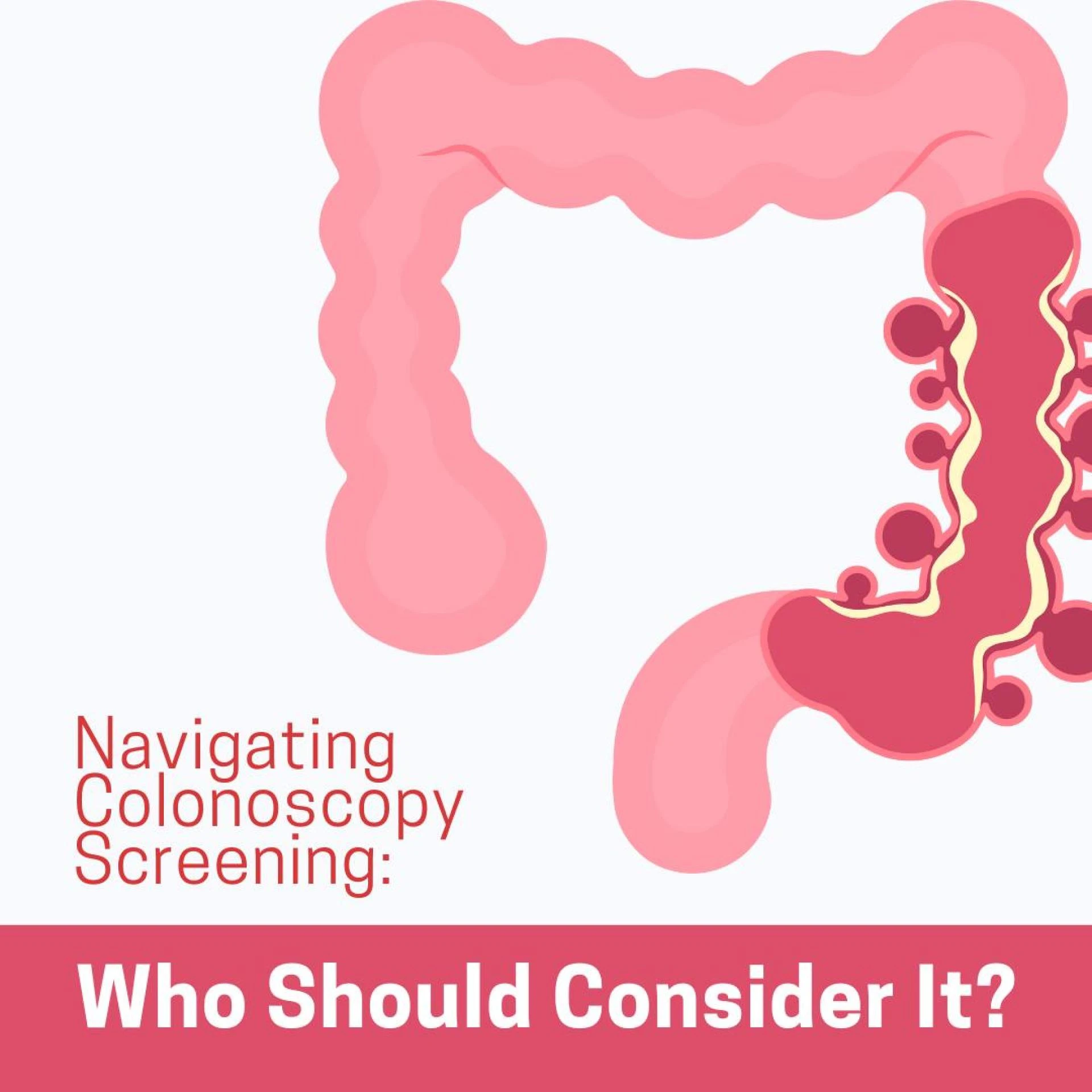
- Adults over 45–50 as part of regular health checks
- People with a family history of colorectal conditions
- Those identified as high risk during national screening
Regardless of the trigger, the purpose is the same: colonoscopy provides a complete view of the colon from the inside.
Colonoscopy Brisbane: Preparation People Talk About Most
When preparation is mentioned, reactions range from sighs to nervous laughter. Why? Because it’s often described as the least pleasant part of the entire experience.
Preparation usually means:
- Adjusting your diet for several days
- Drinking a special solution to clear the bowel
- Following precise timing instructions about when to stop eating and drinking
This step-by-step colonoscopy guide outlines why prep is necessary. In short, the cleaner the bowel, the more accurate the results.
What Happens During the Procedure?
Colonoscopy isn’t as intimidating as it sounds. On the day:
- Sedation is usually given so you’re comfortable and relaxed.
- The colonoscope is carefully inserted and guided through the colon.
- Images are displayed on a monitor for close inspection.
- Polyps, if found, are often removed on the spot.
Most people don’t remember much of the procedure itself because of the sedation. The actual examination usually takes 30–45 minutes, though the overall appointment is longer due to prep and recovery.
How Safe Is It?
Colonoscopy is considered a safe, routine procedure. Millions are performed worldwide each year. Temporary side effects such as bloating or mild cramps are common, but serious complications are rare.
This is why colonoscopy is often seen as a “gold standard” test: it balances accuracy with safety, while also providing the ability to act immediately if polyps are found.
What About Recovery?
Recovery is simple:
- Rest is recommended for the remainder of the day due to sedation.
- Many people feel a little tired or bloated but quickly return to normal.
- Normal routines usually resume the next day.
For most, the biggest relief comes not from the procedure ending, but from having clear answers.
Colonoscopy vs Endoscopy
The two terms get mixed up often. Here’s the difference:
- Colonoscopy looks at the large intestine (colon).
- Endoscopy usually looks at the upper digestive tract (oesophagus, stomach, and duodenum).
Both use a camera, both are minimally invasive, but they explore different areas.
Colonoscopy Brisbane and Cost Considerations
When people type colonoscopy Brisbane into a search bar, cost is one of the first things they want clarity on. Prices vary based on:
- Whether the procedure is done publicly or privately
- Insurance status and gap payments
- Whether open access colonoscopy is available, where certain patients can book directly without a prior consultation
Public systems may mean longer waiting times, while private options often allow quicker access with higher out-of-pocket expenses.
Common Questions People in Brisbane Ask
1. Is colonoscopy painful?
Not usually. Sedation keeps you relaxed and comfortable.
2. How long will I be at the clinic?
While the test itself may be under an hour, expect a few hours in total.
3. Do I need someone to come with me?
Yes, because of sedation, you won’t be able to drive yourself home afterward.
4. Can I eat normally afterward?
Light meals are usually easiest to start with before moving back to regular eating.
5. How often do I need a colonoscopy?
This depends on your risk level. For average-risk people, it’s often every 10 years after a certain age.
Colonoscopy Brisbane and Lifestyle Awareness
One of the overlooked benefits of colonoscopy is that it sparks important conversations about lifestyle. Diet, exercise, smoking, and alcohol are all risk factors for bowel health. Awareness campaigns across Brisbane continue to highlight the importance of small, daily habits in reducing long-term risk.
Colonoscopy, then, is more than just a medical test. It’s part of a wider cultural shift towards preventive care and healthier living.
Where to Learn More
If you’re looking for a detailed breakdown of the procedure, this resource on colonoscopy Brisbane explains the process clearly.
Additional helpful reading includes:
- Information about bowel cancer and why early detection matters
- Preparation guidelines for colonoscopy with step-by-step advice
- Global colonoscopy overview describing the test in detail
Final Thoughts
Typing colonoscopy Brisbane into a search engine is often the first step towards better awareness. The procedure itself might sound intimidating, but in practice it is routine, safe, and highly effective.
From preparation and procedure to recovery and results, understanding colonoscopy helps remove much of the uncertainty. Whether it’s carried out because of symptoms, family history, or regular screening, it provides clarity and peace of mind.\
For Brisbane residents, access to this test is part of a broader commitment to preventive health. And while preparation might not win any awards for enjoyment, the knowledge gained during a colonoscopy often makes it one of the most valuable tests you’ll ever encounter.



Sign in to leave a comment.