

Hoarding is a complex behavioral and psychological condition that affects many individuals. It goes beyond simple clutter, often leading to significant emotional distress, impaired daily functioning, and health or safety risks. Therapy for hoarding is an essential step in addressing the underlying causes of this behavior, helping individuals manage their emotions, make healthier decisions, and gradually regain control of their living spaces. When combined with professional organizing services, therapy can produce more tangible and lasting results, blending emotional support with practical strategies for decluttering and organization.
Understanding Hoarding and Its Challenges
Hoarding is characterized by the excessive accumulation of items, difficulty discarding possessions, and significant distress or impairment in daily life. People who hoard often feel emotionally attached to their belongings or experience anxiety at the thought of parting with them.
Emotional and Psychological Aspects
Therapy for hoarding addresses the emotional and cognitive patterns behind hoarding behavior. Common underlying issues include:
- Anxiety and fear of making mistakes
- Emotional attachment to possessions
- Past trauma or loss
- Low self-esteem or difficulty with decision-making
By understanding these factors, therapy helps individuals develop healthier relationships with their possessions and make positive changes in their environment.
Practical and Health Implications
Hoarding can lead to unsafe living conditions, increased risk of accidents, and unsanitary environments. It may also cause social isolation, strained relationships, and legal issues related to property maintenance. Combining therapy with professional organizing support ensures that emotional progress is matched with practical improvements in living conditions.
Therapy for Hoarding: A Key Component
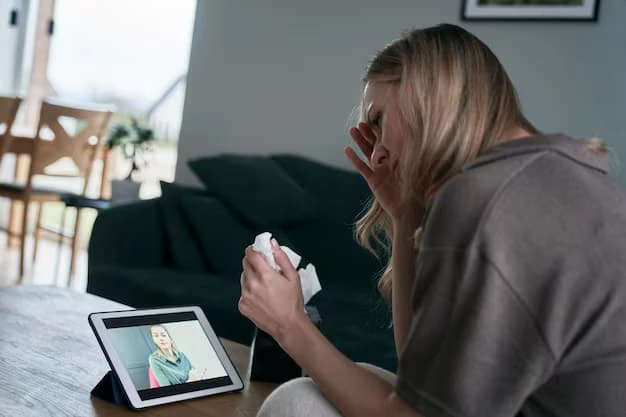
Therapy for hoarding focuses on the psychological aspects of the condition, helping individuals understand the reasons behind their behaviors and learn strategies for change.
Cognitive Behavioral Therapy
Cognitive Behavioral Therapy is the most widely used approach in therapy for hoarding. It helps individuals identify and challenge the thoughts and beliefs that drive hoarding behaviors. By addressing negative thinking patterns and encouraging gradual behavioral change, clients can develop healthier habits and reduce anxiety related to discarding items.
Motivational Interviewing
Motivational Interviewing is often used to help individuals resolve ambivalence about change. Therapists work collaboratively with clients to explore their goals, strengthen motivation, and develop a personalized plan for decluttering and organization.
Emotional Regulation and Coping Skills
Therapy teaches emotional regulation skills, helping individuals manage anxiety, stress, or guilt associated with letting go of possessions. Clients also learn coping strategies to prevent relapse and maintain progress over time.
Family and Supportive Counseling
Family involvement can enhance therapy outcomes. Supportive counseling sessions help loved ones understand the challenges of hoarding, develop effective communication strategies, and provide encouragement during the recovery process.
The Role of Professional Organizers
Professional organizers bring practical skills to complement therapy for hoarding. Their expertise helps individuals create structured, functional, and sustainable living environments.
Practical Decluttering Strategies
Professional organizers provide step-by-step guidance for sorting, categorizing, and deciding what to keep or discard. Their approach is often methodical, reducing overwhelm and making the decluttering process manageable.
Creating Functional Spaces
Organizers help design living spaces that are practical, safe, and aesthetically pleasing. By implementing systems for storage, organization, and maintenance, they support long-term success and reduce the likelihood of relapse.
Emotional Support During the Process
Working with a professional organizer can be emotionally challenging for individuals with hoarding tendencies. Organizers often work alongside therapists or follow therapeutic guidelines to provide compassionate support, ensuring that clients feel safe and understood throughout the decluttering process.
Benefits of Combining Therapy and Professional Organizers
Integrating therapy for hoarding with professional organizing services provides a holistic approach to recovery, addressing both emotional and practical aspects of the condition.
Enhanced Emotional and Behavioral Change
Therapy addresses the underlying cognitive and emotional patterns driving hoarding, while professional organizers provide tangible solutions for managing possessions. This combination ensures that emotional growth is reinforced with practical outcomes.
Reduced Anxiety and Overwhelm
Having structured guidance from both a therapist and a professional organizer can significantly reduce the anxiety associated with decluttering. Clients are more likely to feel capable and confident in making decisions about their belongings.
Improved Living Environment
Combining therapy and organization results in safer, cleaner, and more functional living spaces. A well-organized home can enhance overall well-being, reduce stress, and improve quality of life.
Long-Term Maintenance and Support
Therapists and organizers can develop strategies for maintaining progress, including setting routines, creating decision-making frameworks, and practicing coping techniques. This ongoing support helps prevent relapse and ensures sustained improvement.
Strengthened Personal and Family Relationships
As individuals make progress in therapy and organize their spaces, family dynamics often improve. Reduced clutter and stress can foster better communication, trust, and connection with loved ones.
Challenges and Considerations
While combining therapy with professional organizing has many benefits, there are potential challenges to consider.
Emotional Resistance
Letting go of possessions can be emotionally intense. Clients may feel guilt, fear, or attachment that slows the decluttering process. Therapists and organizers work together to navigate these emotions gradually.
Financial Considerations
Hiring professional organizers may involve additional costs. Clients should consider budgeting and discuss options for combining therapy sessions with organizing support in a manageable way.
Commitment and Consistency
Recovery from hoarding requires ongoing effort and dedication. Regular therapy sessions, coupled with practical organizing work, are essential to ensure lasting change.
Tips for Maximizing Success
To achieve the best results, individuals can take proactive steps when combining therapy and professional organizing.
Collaborate Closely with Professionals
Open communication between therapists and organizers ensures that the emotional and practical aspects of hoarding are addressed cohesively.
Set Realistic Goals
Breaking down the decluttering process into smaller, manageable tasks reduces overwhelm and increases the likelihood of success.
Practice Coping Strategies
Applying skills learned in therapy during the organizing process helps individuals manage anxiety and make thoughtful decisions.
Maintain Progress
Developing routines and strategies for ongoing organization prevents clutter from accumulating and reinforces behavioral change.
Conclusion
Combining therapy for hoarding with professional organizing offers a comprehensive approach to managing this complex condition. Therapy addresses the emotional and psychological factors behind hoarding, while professional organizers provide practical tools for creating functional and safe living spaces. Together, these approaches promote lasting behavioral change, improved living conditions, and enhanced overall well-being. For individuals seeking compassionate, expert support in overcoming hoarding tendencies, Kahl Counseling and Consultation Online provides specialized services that integrate therapy and organizational guidance to foster meaningful and sustained recovery.





























Sign in to leave a comment.