There was a time when buying a shop meant thinking only about footfall. A busy road, a visible frontage, and perhaps a bit of luck.
That equation has changed.
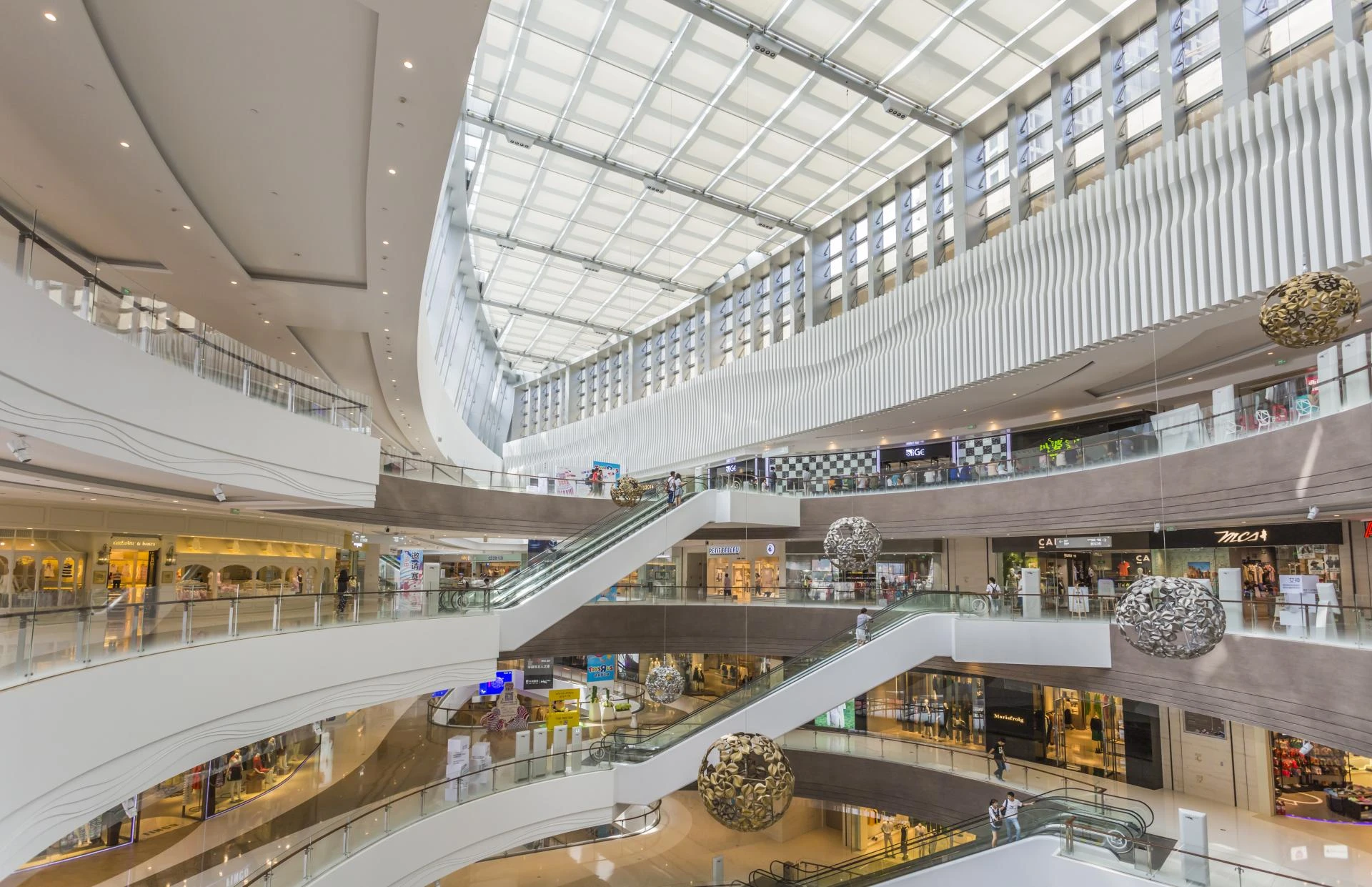
In 2026, investing in commercial shops in Gurgaon feels more layered, more deliberate. It is no longer just about where people walk. It is about where they gather, how long they stay, and what kind of experience they expect once they arrive.
Gurgaon itself has shifted. It is no longer just an office-driven city. Residential clusters have grown. Lifestyle spaces have expanded. Retail is adapting quietly, almost steadily, to this new pattern of living.
If you are considering investing in commercial property here, it helps to look beyond surface-level trends and understand what is actually shaping demand.
Gurgaon’s Changing Commercial Landscape
Gurgaon does not grow in straight lines. It expands in pockets.
One sector develops rapidly, then another catches up. Business hubs emerge, followed by residential communities, then retail spaces that serve both.
This layered growth has created new opportunities for retail investors.
What Has Changed Recently?
- Residential density has increased across multiple sectors
- Hybrid work models have kept people closer to home
- Lifestyle-driven retail is replacing purely transactional shops
- Mixed-use developments are becoming more common
These shifts mean that retail spaces are no longer dependent only on office crowds. They now draw steady demand from nearby residents as well.
Why Retail Shops Are Gaining Attention Again
For a few years, large malls dominated retail conversations. But smaller, well-located commercial spaces are quietly regaining importance.
Why?
Because convenience matters.
People prefer shops that are closer to where they live or work. They want easy access, quick visits, familiar surroundings.
This has made neighborhood retail and high-street formats more attractive.
Key Advantages of Investing in Retail Shops
| Advantage | What It Means for Investors |
| Steady footfall | Daily essentials drive regular visits |
| Flexible tenant mix | Cafes, salons, small stores |
| Lower vacancy risk | Local demand remains consistent |
| Visibility | Direct customer engagement |
The shift is subtle but clear. Retail is moving closer to people.
Location Still Defines Success
It may sound predictable, but location continues to shape returns more than anything else.
In Gurgaon, certain factors determine whether a retail space performs well over time.
What to Look For in a Location
- Proximity to residential clusters
- Access to main roads and connectivity points
- Visibility from key traffic routes
- Nearby commercial or office zones
Properties near business corridors often benefit from dual demand. Office workers during the day, residents in the evening.
This overlap creates consistent activity throughout the day.
The Influence of Office Spaces on Retail Demand
Retail does not exist in isolation. It often grows alongside office environments.
The presence of commercial office space in Gurgaon plays a significant role in shaping nearby retail demand. Employees look for cafes, quick-service restaurants, convenience stores, and service outlets.
This creates a natural ecosystem.
Retail spaces located near office hubs often experience:
- Higher weekday footfall
- Consistent demand for food and service businesses
- Stronger rental stability
For investors, this connection between office and retail demand offers a layer of security.
Mixed-Use Developments Are Leading the Way
One of the most noticeable trends in 2026 is the rise of mixed-use developments.
These projects combine residential, retail, and sometimes office spaces within a single environment.
The idea is simple. People should be able to live, work, and access daily needs within a short distance.
Projects such as MNB6P reflect this approach. They are designed to bring together different types of spaces, creating a self-sustained ecosystem rather than isolated buildings.
For investors, this model offers:
- Built-in customer base
- Reduced dependency on external footfall
- Balanced demand across different times of the day
It is not just about selling space. It is about creating activity.
Understanding Tenant Demand in 2026
Retail success depends heavily on the type of tenants a space attracts.
In recent years, tenant preferences have evolved.
Popular Retail Categories Today
| Category | Why It Works |
| Cafes and quick dining | High repeat customers |
| Wellness and fitness | Growing lifestyle focus |
| Convenience stores | Daily essentials demand |
| Boutique services | Personalized experiences |
Tenants today look for spaces that offer visibility, accessibility, and a steady customer base.
For investors, choosing properties that align with these needs increases the chances of stable rental income.
Investment Factors to Evaluate Carefully
Buying a retail shop requires more than just selecting a location.
A few key factors can influence long-term returns.
Practical Evaluation Checklist
- Footfall patterns: Is the area active throughout the day or only during certain hours?
- Catchment area: How many residential units are nearby?
- Competition: Are similar shops already present in the vicinity?
- Accessibility: Is parking available? Are entry and exit points convenient?
- Developer credibility: Has the project been planned with long-term usability in mind?
A careful evaluation helps reduce risk and improve returns.
Comparing Retail Investment with Other Options
Investors often compare retail shops with residential or office investments.
Each has its own advantages.
Comparison Table
| Property Type | Key Benefit | Consideration |
| Retail Shops | High visibility, steady demand | Depends on location |
| Residential | Stable long-term appreciation | Lower rental yields |
| Office Space | Corporate leasing stability | Market cycles impact demand |
Retail sits somewhere in between. It offers both income potential and visibility, but requires careful selection.
The Emotional Side of Commercial Investment
Even commercial decisions carry a certain intuition.
There is a moment when you stand in front of a property and imagine activity there. Customers walking in, lights on in the evening, a sense of movement.
That feeling matters, but it should be supported by logic.
A strong investment balances both.
Conclusion
The market for commercial shops in Gurgaon is evolving with the city itself. Retail is becoming more localized, more experience-driven, and more closely connected to residential and office ecosystems.
Investors who pay attention to location, tenant demand, and long-term usability are more likely to see consistent returns. Projects that integrate multiple spaces, rather than isolating them, are shaping the future of commercial real estate.
At the same time, Gurgaon continues to grow as both a residential and commercial hub. Developments that include living spaces, such as 4.5 BHK flats in Gurgaon, alongside retail and office infrastructure, contribute to this balanced growth.
For those looking to explore thoughtfully planned commercial developments with long-term potential, MNB Buildfab offers projects designed to align with the evolving landscape of Gurgaon’s real estate market.























Sign in to leave a comment.