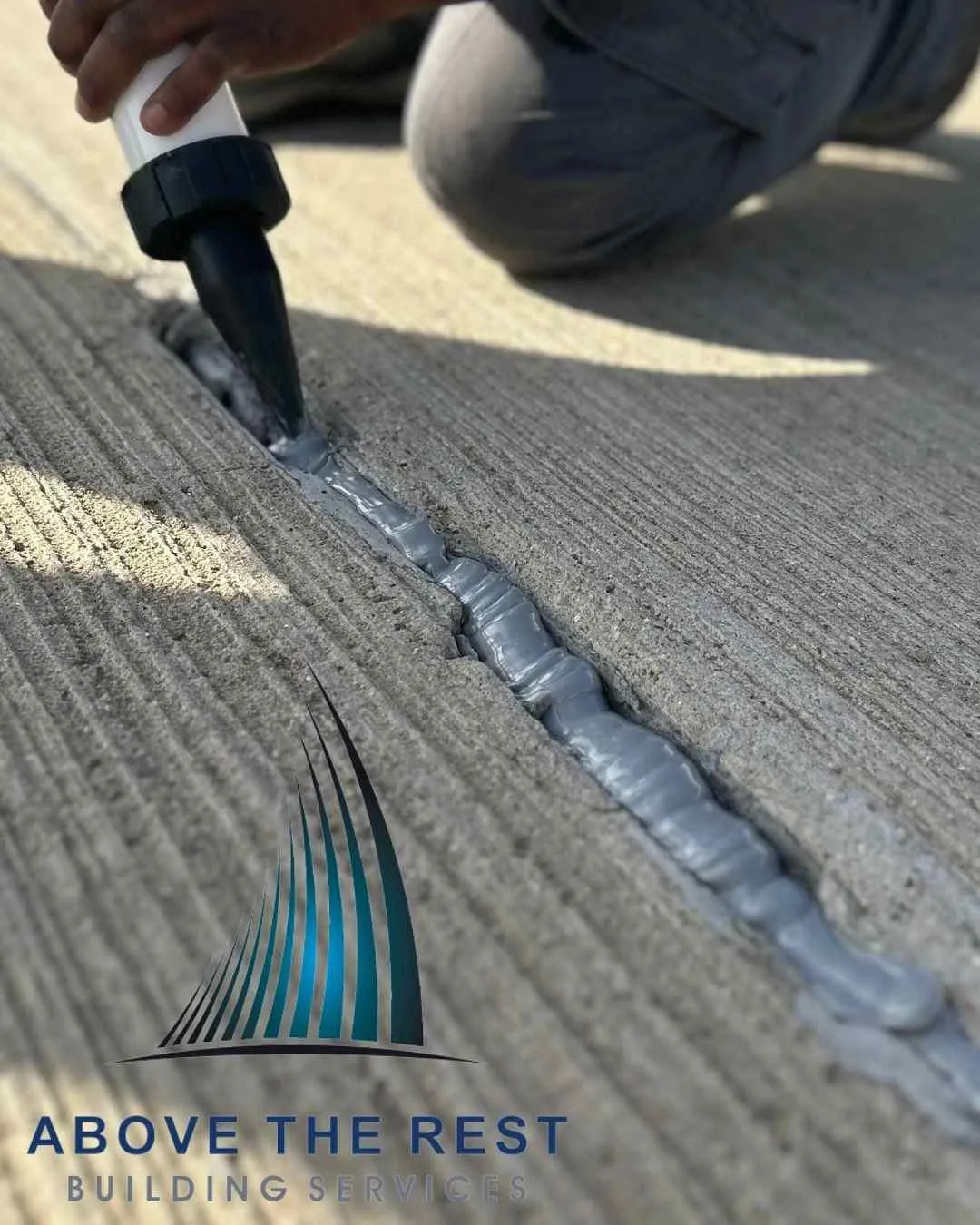

For many commercial property owners, waterproofing is often treated as a project that only deserves attention after a leak appears. Unfortunately, by the time water becomes visible inside a building, the damage has often been developing for months or even years.
Routine commercial waterproofing maintenance protects more than walls and roofs. It preserves structural components, maintains indoor air quality, reduces long-term repair expenses, and supports the overall value of the property.
Ignoring waterproofing can allow moisture to enter through roofs, masonry joints, windows, expansion joints, balconies, and exterior facades. Even small amounts of water can create conditions where mold, mildew, and biological growth begin to spread.
Why Waterproofing Maintenance Matters
Water is one of the most damaging elements affecting commercial buildings. While exterior materials are designed to withstand changing weather conditions, they require regular inspections and maintenance to continue performing effectively.
Once moisture penetrates the building envelope, it can affect:
- Concrete
- Brick and masonry
- Steel reinforcement
- Drywall
- Insulation
- Ceiling systems
- Flooring materials
- Interior finishes
Small maintenance issues can quickly become expensive restoration projects if they remain unnoticed.
Proper waterproofing maintenance provides protection against:
- Moisture intrusion
- Freeze-thaw damage
- Mold development
- Mildew growth
- Structural deterioration
- Interior water damage
Instead of reacting to emergencies, property owners who schedule routine inspections reduce unexpected repair costs while extending the service life of their buildings.
Mold, Mildew, and Unwanted Growth
Moisture is the primary condition required for mold and mildew to develop.
When waterproofing systems begin to fail, damp conditions can remain hidden behind walls, ceilings, and insulation for extended periods. Because these areas are rarely visible during daily operations, problems often grow unnoticed until odors, staining, or visible mold appear.
Common locations where moisture-related growth develops include:
- Window perimeters
- Roof penetrations
- Exterior wall joints
- Expansion joints
- Mechanical equipment areas
- Basement walls
- Parking structures
- Foundation connections
Beyond the visible damage, mold can permanently stain finishes, weaken surrounding materials, and create expensive remediation requirements.
For commercial property owners, these hidden issues often become significantly more expensive than routine preventive maintenance.
Risks to Tenants and Daily Operations
Water intrusion affects more than the building itself. Moisture-related issues can disrupt daily operations, create safety concerns, and impact the experience of tenants, employees, and visitors.
Poorly maintained waterproofing systems may lead to:
- Reduced indoor air quality
- Unpleasant odors caused by mold and mildew
- Water-stained ceilings and walls
- Slippery surfaces that increase safety risks
- Damage to office equipment, inventory, or furnishings
- Business interruptions during emergency repairs
For commercial properties, these issues can result in tenant complaints, increased maintenance requests, lease concerns, and unnecessary operational costs. A building that appears well maintained inside and out gives occupants greater confidence in the property and its management.
The Financial Impact of Delayed Waterproofing Maintenance
Many building owners postpone waterproofing maintenance because there are no visible signs of damage. However, hidden moisture can continue affecting structural components long before leaks become noticeable.
Delaying maintenance may result in:
- Extensive mold remediation
- Masonry repairs
- Concrete restoration
- Interior reconstruction
- Roof replacement
- Higher maintenance expenses
- Lost rental income during repairs
- Increased insurance claims
Preventive waterproofing maintenance is typically far less expensive than restoring water-damaged building systems after problems have spread.
Warning Signs Your Building May Need Waterproofing Maintenance
Early detection can prevent significant damage and reduce repair costs. Property managers should schedule an inspection if they notice:
- Water stains on ceilings or walls
- Peeling paint or bubbling finishes
- Cracks in exterior masonry
- Damp or musty odors
- Visible mold or mildew
- Efflorescence (white mineral deposits) on masonry
- Ponding water on roofs or balconies
- Deteriorating sealants around windows and joints
Even if these warning signs appear minor, they often indicate that moisture is entering the building envelope.
A Preventive Waterproofing Maintenance Checklist
Routine inspections help identify potential issues before they become major repairs. A comprehensive waterproofing maintenance program should include:
- Inspect exterior walls and façade systems
- Check sealants around windows and doors
- Examine roof membranes and flashing
- Inspect expansion joints
- Verify drainage systems are functioning properly
- Remove debris from roof drains and gutters
- Evaluate balconies, terraces, and parking decks
- Repair cracks before water penetration occurs
Regular maintenance supports long-term building performance while reducing unexpected repair expenses.
Protect Your Commercial Property with Above The Rest Building Services
At Above The Rest Building Services, we understand that effective waterproofing is about protecting your building's future, not simply repairing today's problem.
Our experienced team provides professional waterproofing and exterior building maintenance services for commercial properties throughout Massachusetts and New England. By identifying vulnerabilities early and addressing them with proven solutions, we help property owners reduce long-term costs, extend the life of their buildings, and maintain safe, professional environments for tenants and visitors.
Whether your property requires preventive waterproofing maintenance, façade inspections, or building envelope repairs, proactive service today can prevent costly restoration projects tomorrow.
Final Thoughts
Water damage rarely starts with a major leak. It often begins with small cracks, aging sealants, or unnoticed moisture infiltration that gradually weakens the building over time.
Routine commercial waterproofing maintenance is one of the most effective ways to protect your investment, preserve structural integrity, improve indoor conditions, and minimize costly repairs. Taking a proactive approach today helps ensure your commercial property remains safe, attractive, and resilient for years to come.
Frequently Asked Questions
How Often Should Commercial Waterproofing Be Inspected?
Most commercial buildings should have waterproofing inspections at least once a year, with additional inspections after severe storms or harsh winter conditions.
Can Waterproofing Prevent Mold Growth?
Yes. By preventing water intrusion and controlling moisture, waterproofing significantly reduces the conditions that allow mold and mildew to develop.
Which Areas Of A Commercial Building Need Waterproofing Maintenance?
Roofs, exterior walls, windows, foundations, expansion joints, balconies, parking structures, and below-grade areas should all be inspected regularly.
Is Waterproofing Maintenance More Affordable Than Repairs?
Yes. Preventive maintenance is generally much less expensive than repairing structural damage, mold contamination, or interior finishes caused by prolonged water intrusion.

























Sign in to leave a comment.